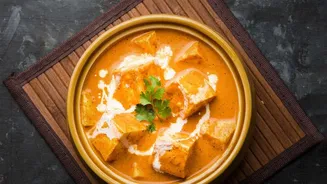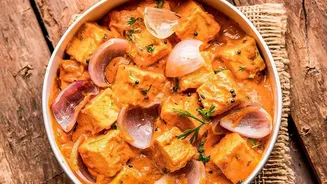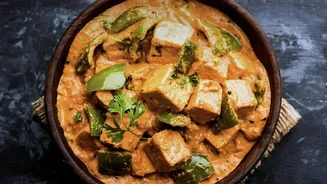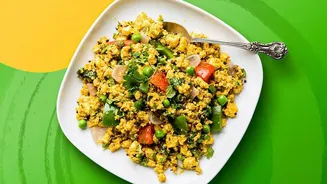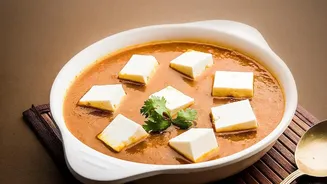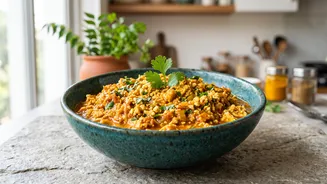



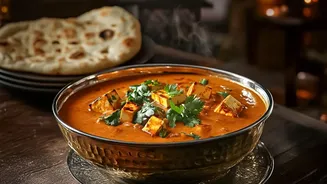
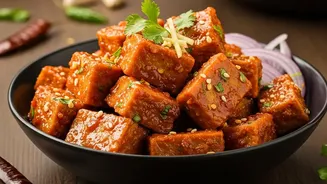
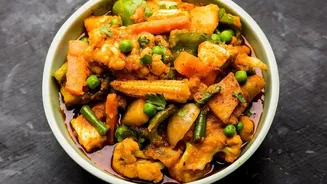
Craving the bold, buttery flavours of Indian street food? Paneer Ghotala, a messy, delicious scramble from Surat, is a must-try. This guide will walk you through creating that authentic taste, with a focus on the perfect masala balance.
What is Paneer Ghotala?
Hailing from the
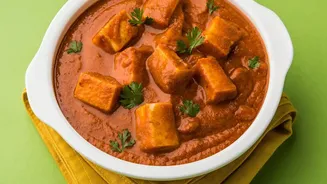
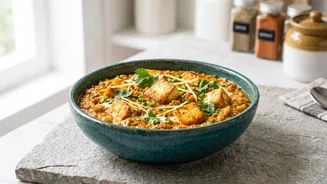
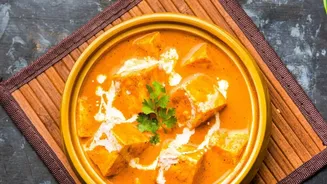
streets of Surat, Gujarat, Paneer Ghotala is a rich and spicy vegetarian dish that has won hearts across the country. The name itself offers a clue to its nature; 'Ghotala' translates to 'scam' or 'mess', perfectly describing the glorious jumble of ingredients. It’s a vegetarian adaptation of the classic Surti dish, Anda Ghotala, which uses eggs. In this version, soft crumbled or grated paneer is cooked into a spicy, buttery tomato-onion gravy, creating a dish that looks like a scramble but delivers a universe of flavour. Often served with buttered pav (soft bread rolls), it’s the ultimate comfort food, embodying the innovative spirit of Indian street cuisine.
The Foundation: A Flavourful Bhaji Base
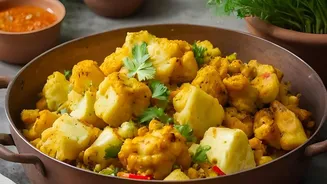
The heart of any great Ghotala is its masala base, which shares similarities with another street food icon, Pav Bhaji. The process begins by creating a savoury foundation in a pan with a generous mix of butter and oil. Finely chopped onions are sautéed until soft and translucent, followed by ginger and garlic paste. To this, finely chopped or grated tomatoes are added and cooked down until they become soft and the mixture starts releasing oil, a sign that the base is ready for the spices. Some recipes also include finely chopped capsicum for an extra layer of texture and flavour. This bhaji-like base is what the paneer will be mashed into, absorbing all the rich flavours.
The Star Ingredient: Prepping the Paneer
The texture of the paneer is crucial. For an authentic street-style feel, the paneer should be grated or crumbled, not cubed. Using a grater with large holes is recommended to prevent the paneer from turning mushy during cooking. Alternatively, you can crumble it by hand. The goal is to have fine, soft pieces of paneer that meld seamlessly into the gravy, creating that signature 'ghotala' texture where the ingredients are barely distinguishable. Some cooks even use a combination of grated, crumbled, and small cubed paneer to create textural variation in every bite. Always opt for fresh, soft paneer for the best results, as it absorbs the masala better and stays tender.
The Spice Symphony: Building the Masala
What sets Paneer Ghotala apart from a simple paneer bhurji is its specific spice blend. While it uses common Indian spices like turmeric, coriander powder, and Kashmiri red chilli powder for colour, the secret weapon is often Pav Bhaji masala. This ready-made blend provides the tangy, slightly pungent flavour profile characteristic of Western Indian street food. Some recipes also call for a small amount of Kitchen King masala to add another layer of complexity. These spices are typically added to the hot butter and oil to bloom, a process that unlocks their essential oils and deepens their flavour before they are mixed into the tomato-onion base.
The Balancing Act: Heat vs. Flavour
Achieving the perfect balance between heat and flavour is an art. The heat primarily comes from green chillies and red chilli powder. To ensure it doesn't overpower the dish, it's important to build flavour with other ingredients. Tangy elements like tomato and a hint of amchur (dry mango powder) can cut through the richness and heat. A small amount of kasuri methi (dried fenugreek leaves), crushed and added towards the end, provides a beautiful aroma and a slightly bitter note that balances the other spices. Richness from butter and sometimes cream or malai helps to mellow the intensity of the spices, creating a well-rounded and harmonious taste. Finally, a garnish of fresh coriander leaves adds a burst of freshness.
Bringing It All Together
Once your masala base is fragrant and cooked, it's time to finish the dish. The grated paneer is added to the pan and mixed well. A little hot water might be needed to achieve the desired semi-liquid consistency. The mixture is then gently mashed with a masher or the back of a spoon, bringing all the components together into a cohesive 'ghotala'. This is cooked for just a few minutes, allowing the paneer to absorb the spices without becoming tough. For the ultimate street-style indulgence, many vendors top the dish with grated processed cheese, which melts into the hot scramble, adding an extra layer of creamy, salty goodness before serving.