



A River of Shifting Loyalties
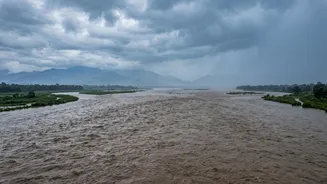
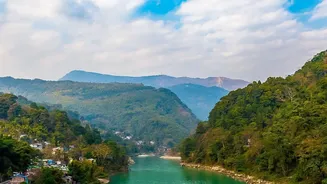
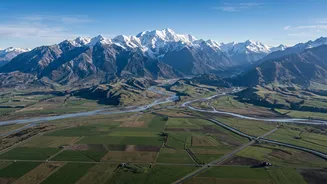
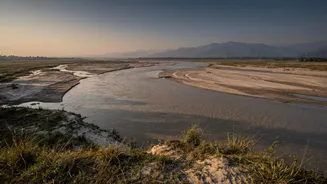
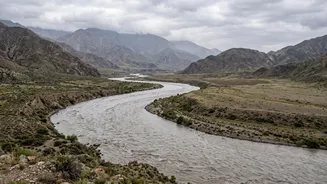
The Kosi is one of India's most unpredictable rivers. Originating in the high Himalayas, it flows through Nepal and into the flat plains of North Bihar before joining the Ganga. For centuries, it has been both a lifeline, depositing fertile silt, and a source
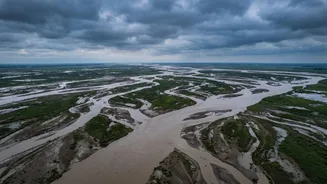
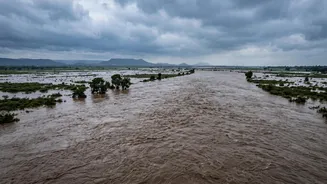
of immense destruction. Its reputation as the 'Sorrow of Bihar' comes from its frequent, devastating floods and, most uniquely, its dramatic changes in course. Over the last 250 years, the river has shifted its path westwards by more than 120 kilometres, abandoning old channels and carving new ones, often with catastrophic consequences for the millions living in its floodplain. The infamous 2008 flood, for instance, occurred when the river breached an embankment and shifted its course by over 100 km, affecting millions of people.
The Engine of Change: A Mountain of Sediment
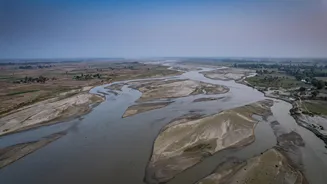
The primary driver of the Kosi's restlessness is the enormous amount of sediment it carries. The Kosi's tributaries originate in the young and geologically fragile Himalayas, which are prone to erosion. As the river rushes down steep mountain slopes, it picks up a massive load of silt, sand, and debris. The Kosi basin contributes nearly 25% of the total sediment load of the entire Ganges river system, despite representing only about 9% of its area. This makes it one of the most sediment-heavy rivers in the world. When the river exits the mountains at the Chatra Gorge and enters the flat plains of Bihar, its velocity drops sharply. Unable to carry the heavy sediment load any further, the river begins to deposit it on its own bed.
Building Its Own Prison
This constant deposition of silt has a profound effect. Year after year, the riverbed gradually rises. Over time, the Kosi's riverbed becomes elevated higher than the surrounding plains. The river effectively builds its own raised channel, flowing on a self-made ridge of sediment. This process, known as aggradation, creates a highly unstable situation. During a high-flow event like the monsoon floods, it becomes easier for the water to break through the banks and find a new, lower path on the adjacent floodplain than to continue flowing along its elevated, clogged channel. This sudden and rapid change of course is called avulsion, and it is the key mechanism behind the Kosi's dramatic shifts.
The Embankment Paradox
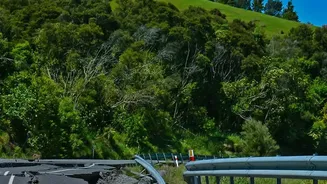
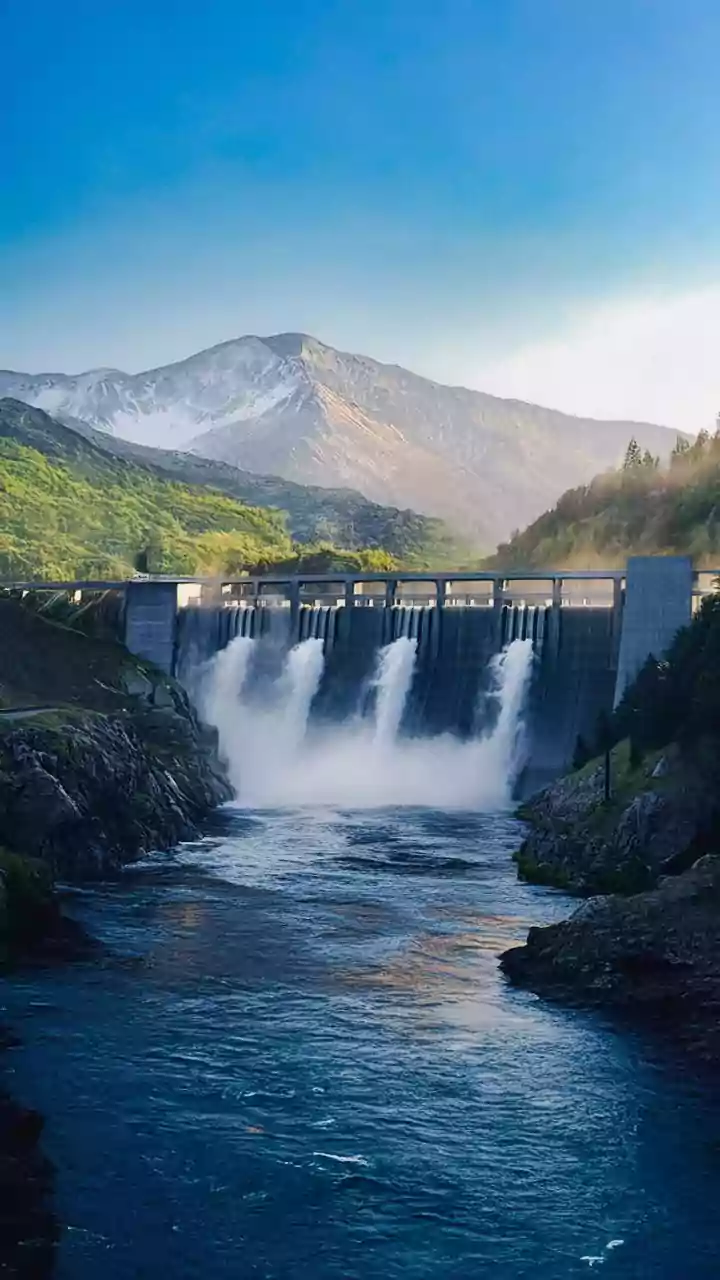
In an attempt to tame the river and control its annual floods, extensive embankments were constructed along the Kosi's banks in the 1950s. The idea was to confine the river to a single channel and protect the surrounding land. However, this intervention has had paradoxical consequences. By trapping the river, the embankments have also trapped its sediment. With no space to spread out, the sediment deposition within the channel has accelerated, causing the riverbed to rise even faster. This has increased the height difference between the river and the floodplain, making any potential breach of the embankments even more catastrophic. The embankments prevent natural, minor shifts and instead lead to the buildup of pressure that, when released, causes major, high-velocity avulsions and widespread, destructive flooding.