

The Tipping Point for Alternative Fuels
The long-held dominance of petrol and diesel is officially being challenged. In a landmark shift, the combined retail sales of vehicles powered by compressed natural gas (CNG), hybrid technology, and electricity surpassed petrol-powered cars for the first
time in August 2026. According to data from the Federation of Automobile Dealers Associations (FADA), these alternative-fuel vehicles captured a 41.95% market share, narrowly edging out petrol's 40.85%. This represents a dramatic change from just a year prior, when petrol's share was significantly higher. The primary driver for this transition is economics. Volatile and high prices for traditional fuels have forced consumers to seriously evaluate the total cost of ownership, pushing running costs to the top of their priority list.
CNG: The Undisputed Cost-Cutter
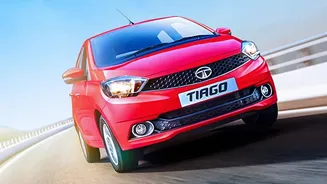
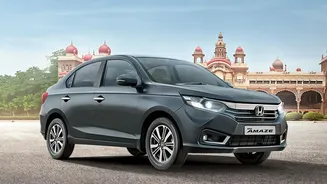
In the race for alternatives, CNG is the clear frontrunner in terms of volume. Accounting for nearly 22% of all passenger vehicle sales in the 2026 financial year, CNG has firmly established itself as the second most popular fuel choice after petrol. In August 2026, its share rose to a record 25%. The appeal is simple: significantly lower running costs compared to petrol. Even with a higher upfront cost for a factory-fitted CNG kit, buyers can often recover the premium within a couple of years. This value proposition has made it a default choice for budget-conscious buyers and high-mileage users. Manufacturers like Maruti Suzuki have seen immense success by offering CNG options across their portfolio, dominating the segment with a market share of nearly 70%. However, the compromise comes in the form of reduced boot space and engine performance, along with queues at filling stations.
Hybrids: The Practical Middle Ground
For buyers seeking fuel efficiency without the range anxiety of pure electric vehicles (EVs), strong hybrids have emerged as a compelling, albeit more premium, option. These vehicles, which combine a petrol engine with an electric motor and a self-charging battery, offer diesel-beating mileage, especially in city traffic, without needing to be plugged in. The market is currently dominated by Toyota and its partner Maruti Suzuki, with models like the Innova Hycross and Grand Vitara leading sales. While the overall hybrid market saw a year-on-year dip in August 2026, the technology is seen as a crucial bridge between internal combustion engines and full electrification. The primary barrier remains the higher purchase price compared to their petrol-only counterparts, but for many urban consumers, the convenience and fuel savings present a balanced solution.
EVs: The Future in Motion
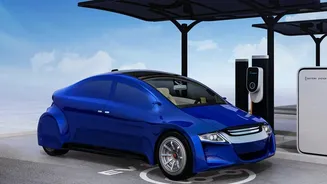
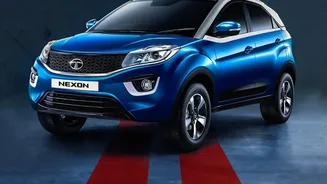
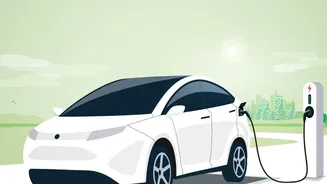
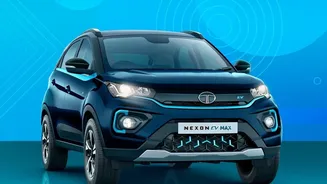
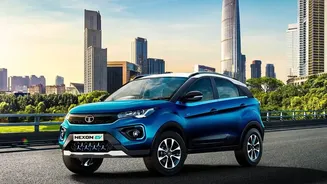
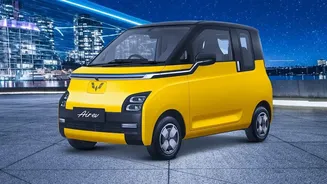
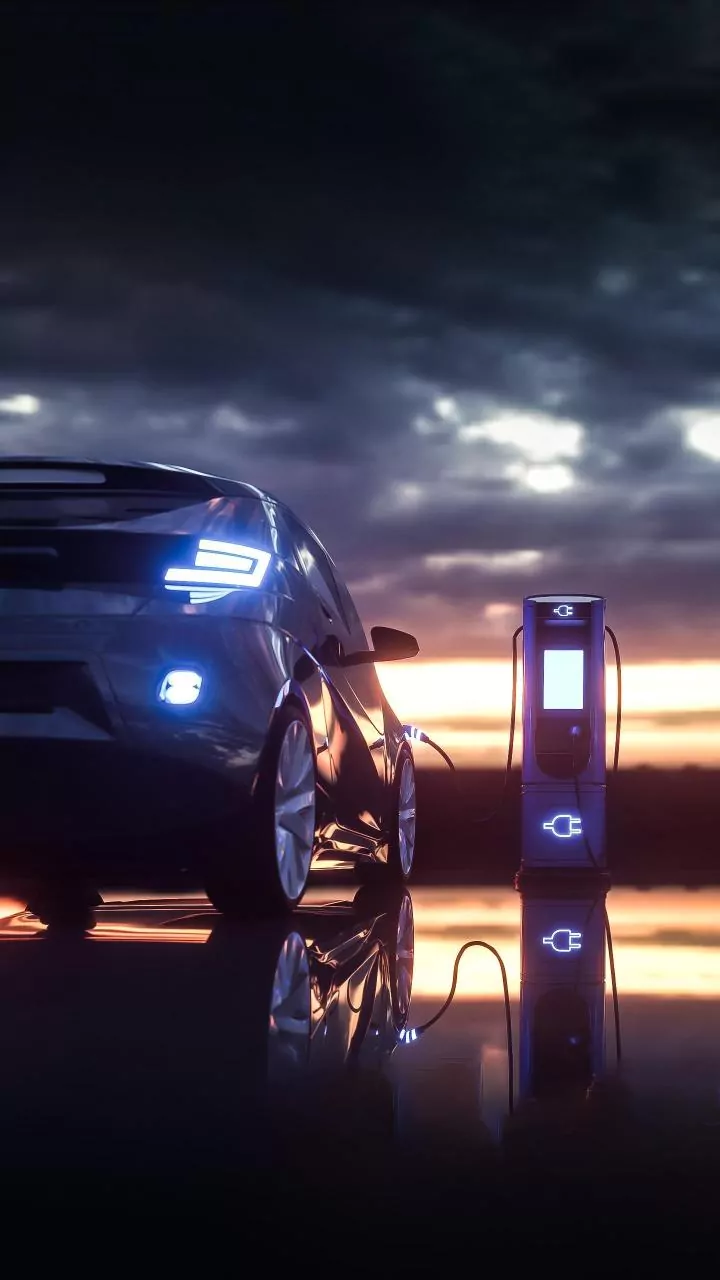
The electric vehicle segment, while still smaller than CNG, is growing at an explosive pace. EV sales expanded by 65% in the first half of 2026, driven by government incentives, falling battery costs, and a growing public charging network. Tata Motors has an early lead in the market, but competition is intensifying with new models from Mahindra, MG, and the recent entry of Maruti Suzuki. Despite this momentum, challenges persist. High upfront costs and concerns about range and charging availability, particularly outside major cities, remain significant hurdles for mass adoption. However, for urban users with predictable commutes and home charging access, the low running costs and quiet, smooth driving experience are proving to be a powerful draw. The market is projected to grow exponentially as battery technology improves and more affordable models are launched.
How Carmakers Are Adapting
This multi-fuel reality has forced automakers to abandon a one-size-fits-all approach. Market leader Maruti Suzuki is pursuing a multi-pathway strategy, investing heavily in CNG, strong hybrids, and even exploring compressed biogas (CBG) and flex-fuels, while also preparing for a scaled EV launch. Tata Motors continues to leverage its first-mover advantage in the EV space. Meanwhile, Hyundai and others are balancing their portfolios with a mix of petrol, CNG, and electric models to cater to diverse customer needs. The recent finalisation of stricter CAFE 3 fuel efficiency norms, which reward a mix of technologies, further incentivises this flexible approach, ensuring that the Indian car market will only become more diverse in the years ahead.