



The New Urban Interior Dream
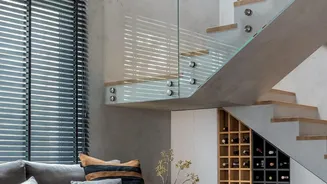
For years, luxury in Indian homes was synonymous with size. Today, as cities like Mumbai, Bengaluru, and Delhi grow denser, the definition of a dream home is changing. The focus has shifted from sheer square footage to the quality of life within the available
space. Homeowners now prioritise well-designed, functional, and aesthetically pleasing environments, regardless of size. This mindset shift is crucial; it's less about opulence and more about intentional living, where every piece of furniture and every design choice serves a purpose and brings joy. This growing aspiration is being met by a market that is finally catering to the needs of the modern urbanite, proving that style and sophistication are not limited by a floor plan.
Technology and E-commerce as Game-Changers
The single biggest driver making premium design accessible is technology. The rise of direct-to-consumer (D2C) brands and online furniture platforms like Pepperfry and Urban Ladder has cut out the middlemen, making curated and design-forward pieces more affordable. These digital-first companies offer everything from modular wardrobes to statement lighting online, often with AR (Augmented Reality) tools that let you visualize a product in your own room before buying. This removes the guesswork and democratises design knowledge that was once exclusive to professional interior designers. Furthermore, AI-powered design assistants can now help homeowners with space planning and generate layout ideas, making the initial stages of design more accessible than ever.
The Revolution of Modular and Multifunctional Furniture
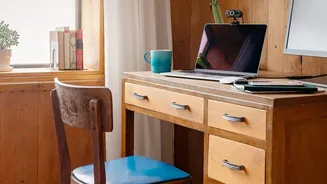
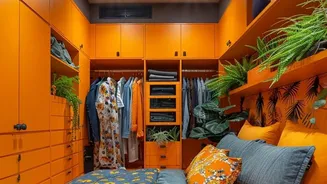
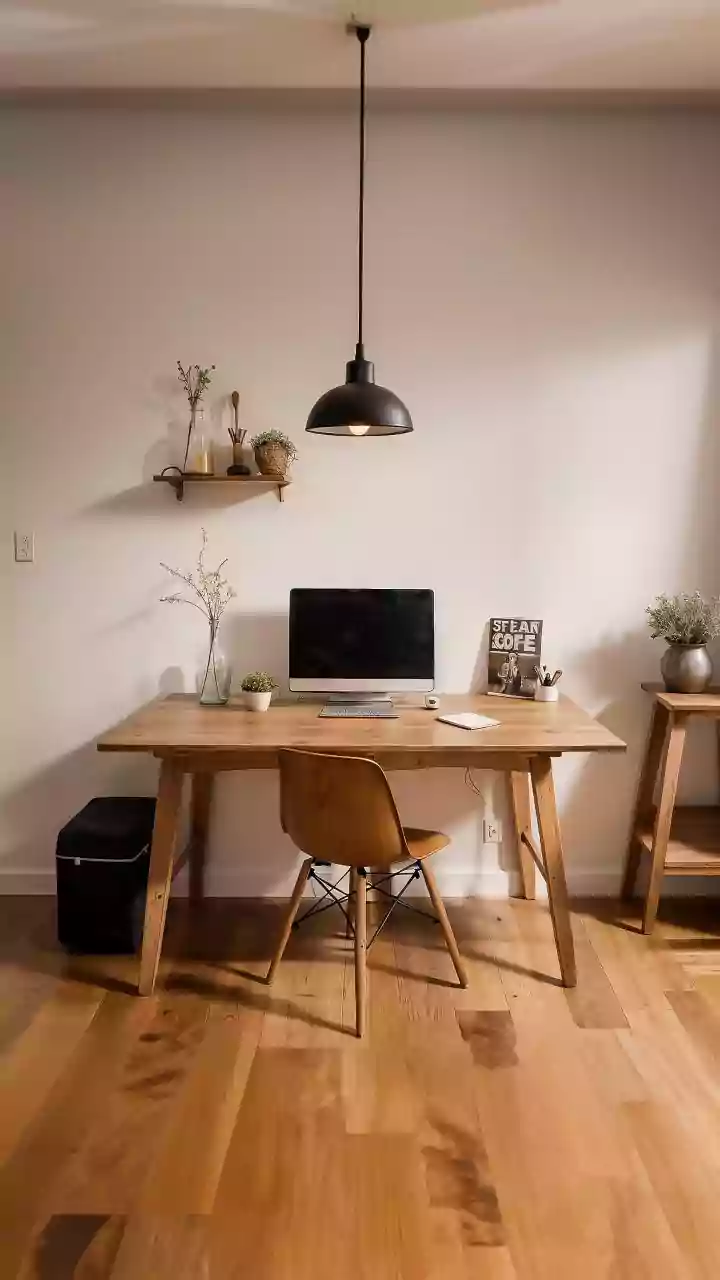
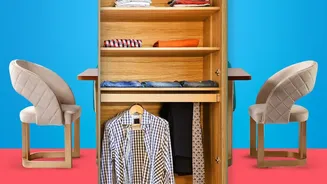
In a compact home, every square foot is precious. This is where modular and multifunctional furniture has become a hero. The Indian modular furniture market is growing rapidly, projected to expand significantly in the coming years. Think sofa-cum-beds, wall-mounted foldable desks, and nesting coffee tables that can be tucked away when not in use. These smart designs allow for flexibility, transforming a living room into a guest room or a corner of the bedroom into a home office. Brands are engineering these pieces specifically for urban apartments, offering clever storage solutions like beds with hydraulic lifts and sleek, built-in wardrobes that maximize vertical space. This approach ensures that functionality doesn't come at the expense of a premium feel.
Affordable Luxury Through Material Innovation
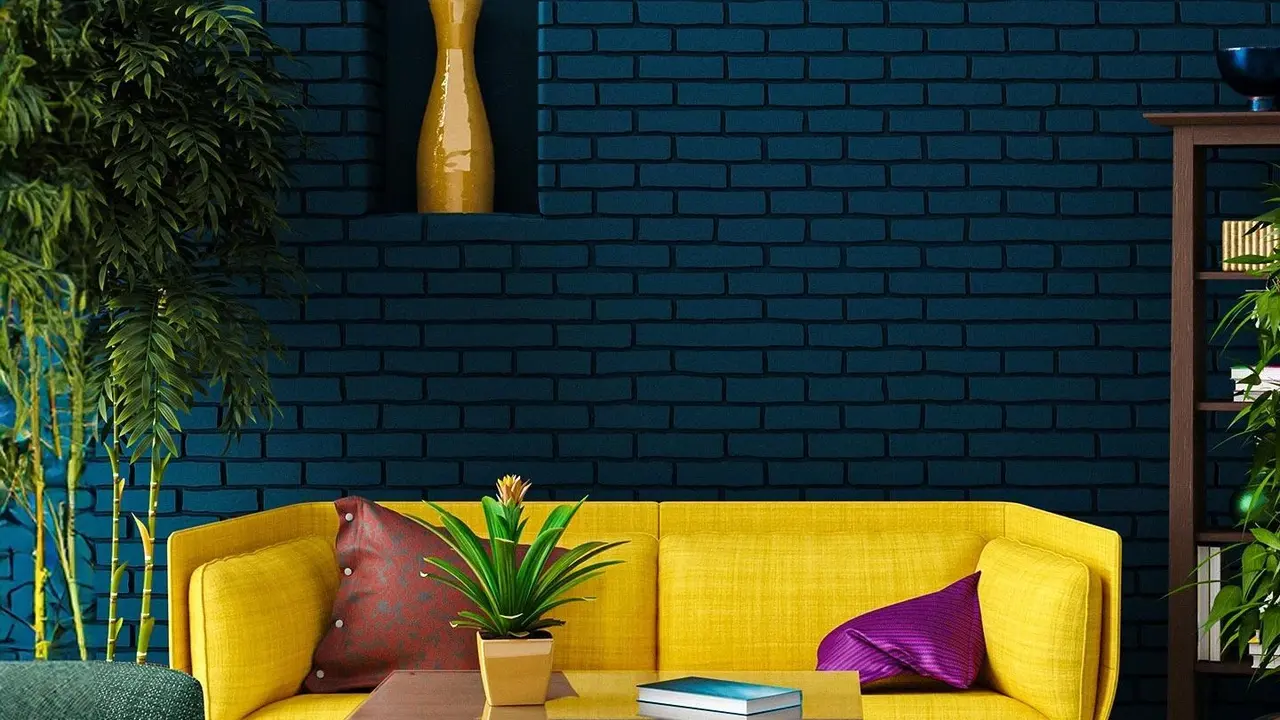
Achieving a high-end look is no longer dependent on exorbitantly priced materials. Innovations in manufacturing have led to a new generation of affordable alternatives that mimic the look and feel of luxury. For instance, high-quality laminate flooring can replicate the warmth of real wood at a fraction of the cost. Similarly, materials like engineered quartz or high-quality vitrified tiles offer the elegance of marble without the hefty price tag and maintenance. Even finishes for cabinets and wardrobes, such as PU paint and acrylic laminates, provide a sleek, high-gloss look that was once a hallmark of expensive, custom-built kitchens. These materials allow homeowners to achieve a sophisticated aesthetic that is both durable and budget-friendly.
A Shift Towards Mindful Design Philosophies
The trend towards premium compact interiors is also supported by a cultural shift in design philosophy. Styles like minimalism and 'Japandi'—a hybrid of Japanese simplicity and Scandinavian warmth—are gaining immense popularity in India. These aesthetics celebrate clean lines, clutter-free spaces, and natural materials like wood, jute, and cotton, all of which are deeply rooted in Indian craftsmanship. This philosophy encourages buying fewer, but better, things—a high-quality, handcrafted piece over several mass-produced items. It aligns perfectly with the constraints and opportunities of a smaller home, creating an environment that feels calm, intentional, and personally curated rather than simply decorated.