




Understanding the Power of Roughage
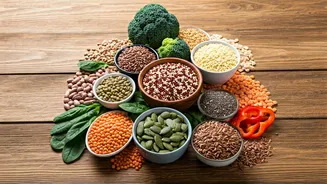
Before diving into the trio, let's talk about 'roughage'. This is simply another term for dietary fiber, the part of plant-based foods that our bodies can't digest. Instead of being broken down, fiber travels through our digestive system, promoting gut
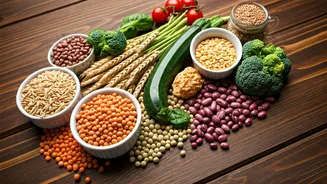
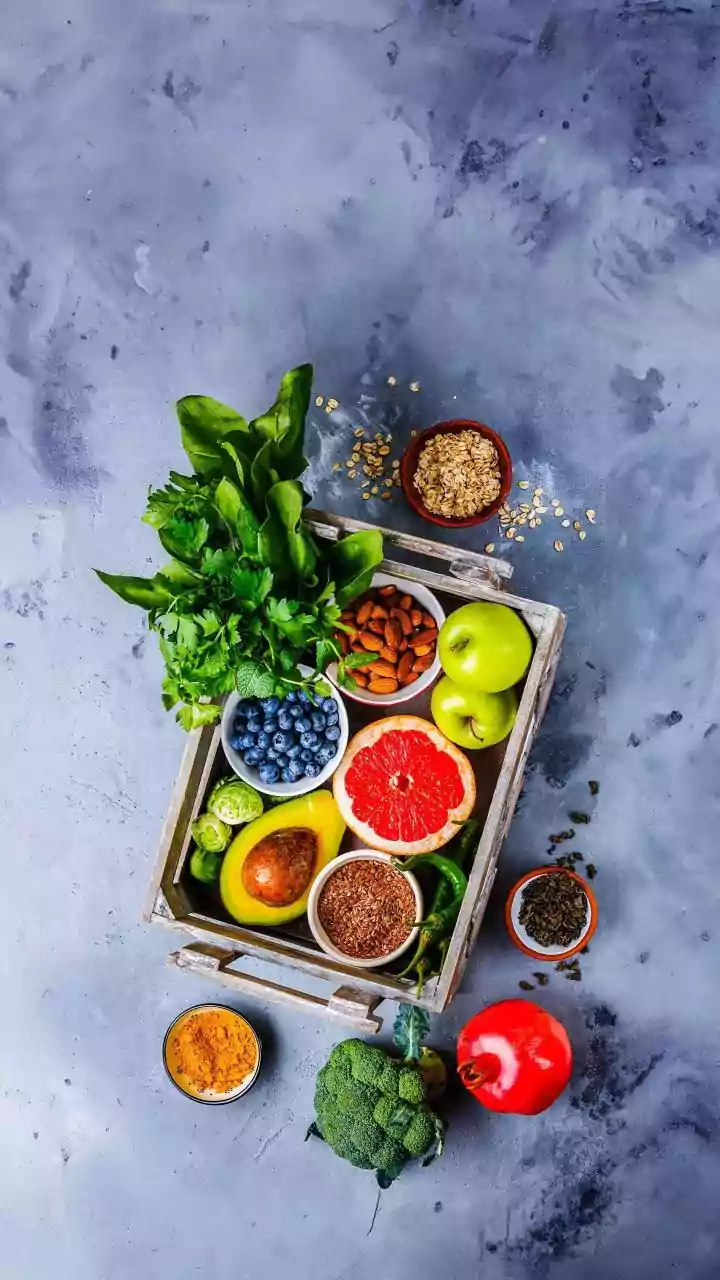
health, regulating blood sugar, and helping us feel full and satisfied. There are two main types: soluble fiber, which dissolves in water to form a gel-like substance that can help lower cholesterol, and insoluble fiber, which adds bulk to stool and prevents constipation. A healthy diet needs a good balance of both, which is precisely what this traditional Indian combination delivers.
Dal: The Protein and Fiber Foundation
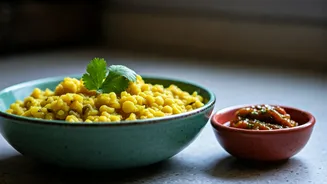
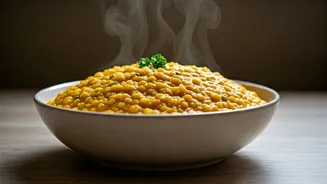
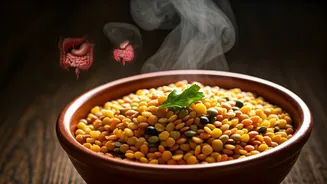
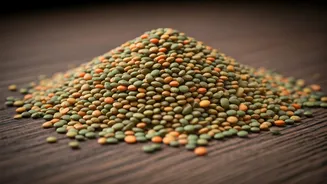
Dal, made from lentils and pulses like moong, masoor, and chana, is a cornerstone of Indian cuisine for good reason. It's a fantastic source of plant-based protein and is loaded with both soluble and insoluble fiber. This dual-fiber action helps stabilise blood sugar levels after a meal, avoiding those dreaded energy spikes and crashes. The fiber in dal also feeds the beneficial bacteria in your gut, contributing to a healthy microbiome. Whether it’s a simple dal tadka or a rich dal makhani, this versatile dish forms the nourishing base of the meal, ensuring you get a steady release of energy and stay fuller for longer.
Millets: The Ancient Grain Revival
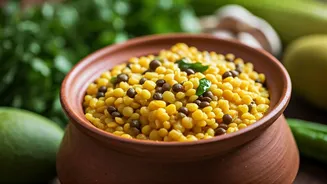
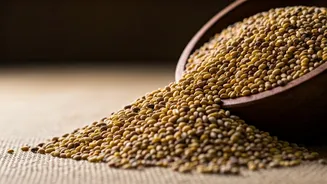
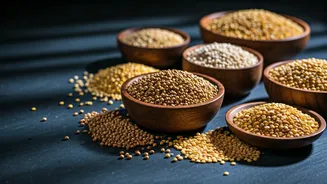
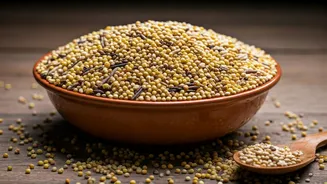
Millets like jowar, bajra, and ragi are making a huge comeback, and it's easy to see why. These ancient grains are nutritional powerhouses, significantly outperforming refined grains like white rice and maida in terms of fiber content. Millets are particularly rich in insoluble fiber, which is excellent for digestive regularity. Their complex carbohydrates are broken down slowly, providing sustained energy and preventing sharp rises in blood sugar. Swapping a plain white rice or refined flour roti for a millet-based alternative, such as a jowar roti or a bowl of foxtail millet khichdi, is an easy way to boost your fiber intake and add a diverse range of micronutrients, including iron, magnesium, and antioxidants, to your diet.
Chutney: The Flavorful Digestive Aid
Often dismissed as a simple side, chutney is the unsung hero of the plate. It's far more than just a condiment; it’s a functional food that aids digestion. Traditional chutneys made from fresh herbs like mint and coriander, spices like ginger and cumin, and ingredients like raw mango or coconut are packed with vitamins, antioxidants, and enzymes that stimulate digestive juices. Mint, for instance, is known to calm the stomach, while ginger can ease bloating. Some chutneys, especially those that are fermented, also provide probiotics that enhance gut health. This flavorful addition doesn't just complete the meal in terms of taste; it actively helps your body process it.
How the Trio Works in Harmony
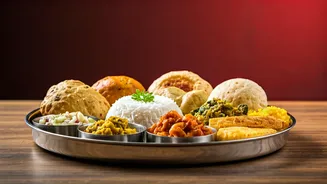
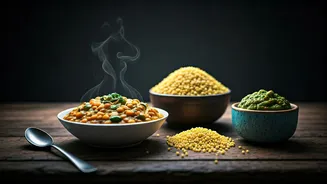
The magic of this combination lies in its synergy. The dal provides a protein-packed base with a mix of fibers. The millet offers complex carbohydrates and a hefty dose of insoluble fiber, ensuring digestive bulk and regularity. Finally, the chutney comes in with digestive enzymes and micronutrients that enhance absorption and ease the entire digestive process. Together, they create a balanced meal that covers all the bases: protein for satiety, complex carbs for energy, and a rich variety of fibers to keep your gut happy and healthy. This balanced plate, rooted in Ayurvedic wisdom, helps manage weight, control blood sugar, and supports long-term digestive wellness.