




From Gold Rush to Quality Race
The first wave of cloud kitchens, or 'ghost kitchens', was a digital gold rush. Entrepreneurs quickly realised that without the need for expensive dining spaces and front-of-house staff, they could launch food brands with lower investment. This led to
an explosion of options on delivery apps, with a primary focus on competitive pricing and a wide variety of cuisines. Success was often measured by scale and a quick-commerce model. However, as the market became saturated, just being online was no longer enough. Consumers, who initially flocked to the convenience, started asking for more, setting the stage for a new phase defined by quality over just quantity.
The Non-Negotiable Need for Speed
In the world of food delivery, a few extra minutes can be the difference between a hot, crispy meal and a lukewarm disappointment. As consumers have become accustomed to instant gratification, delivery speed has transformed from a bonus feature to a critical expectation. Cloud Kitchens 2.0 are tackling this head-on. They are no longer just centralised kitchens but are moving towards decentralised 'kitchen pods' and micro-hubs located in dense residential areas. This hyperlocal approach, powered by AI that predicts ordering patterns and optimises delivery routes, is designed to slash delivery times, ensuring your food arrives faster and fresher than ever before.
Hygiene: The New Mark of Trust
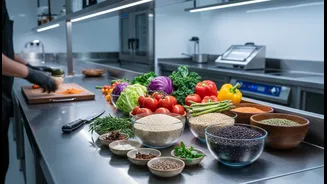
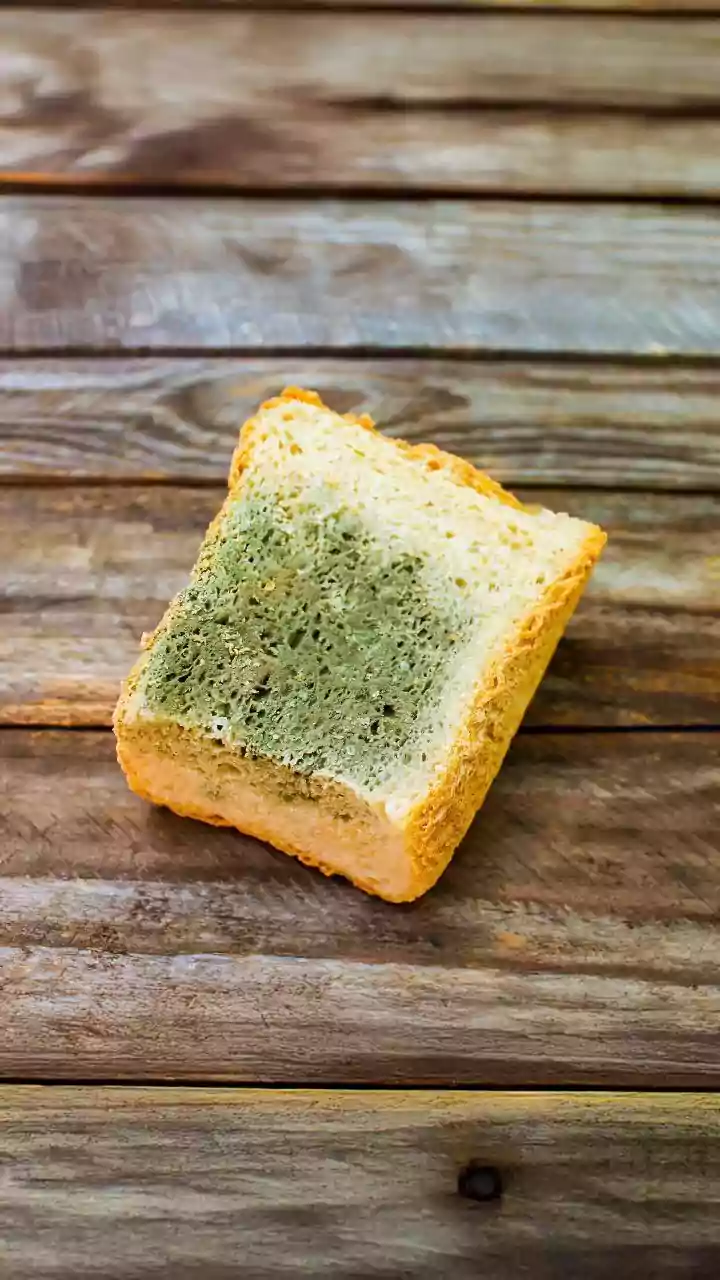
The pandemic permanently elevated consumer consciousness around hygiene and food safety. Vague assurances are no longer sufficient; customers now demand transparency. A staggering 84% of Indian consumers prioritise food safety, influencing their purchasing decisions. The new generation of cloud kitchens understands that trust is a valuable currency. They are investing in high-standard kitchen equipment, obtaining credible certifications, and using technology to monitor safety protocols, from temperature controls to tracing ingredients. Some are even offering live kitchen feeds to build confidence, making hygiene a visible and verifiable pillar of their brand, not just a behind-the-scenes process.
A Growing Appetite for Better Ingredients
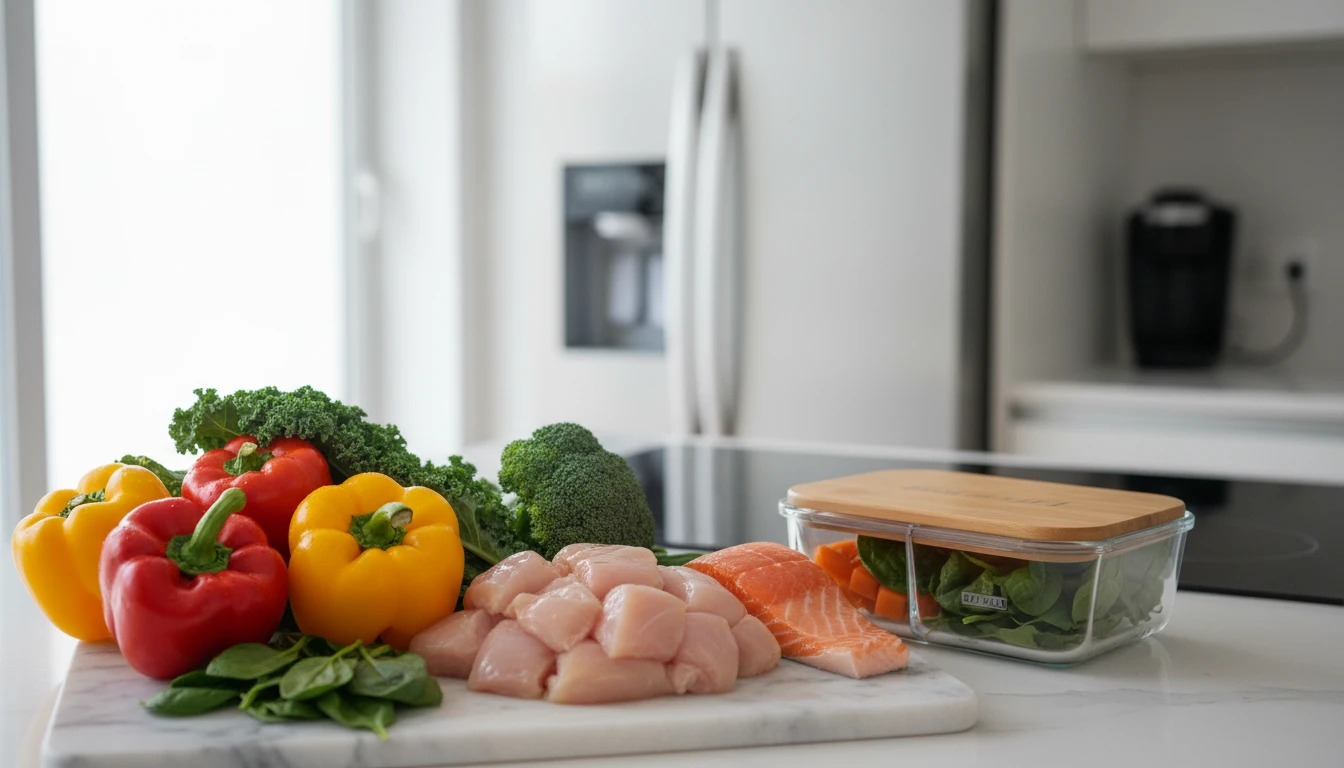
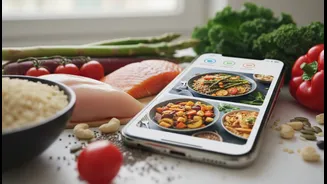
As the market matures, so does the palate of the Indian consumer. The demand is shifting from generic, mass-produced meals to those made with high-quality, fresh, and even premium ingredients. There's a clear trend towards healthier options, with consumers willing to pay more for products like cold-pressed oils, protein-rich grains, and authentic, flavourful components. This shift is being driven by a more health-conscious Gen Z and millennial demographic, who see food as an expression of wellness. Cloud Kitchens 2.0 are responding by creating specialised brands focusing on everything from healthy salads and vegan meals to gourmet burgers and authentic regional cuisines, proving that convenience and quality can coexist.
The Tech Backbone of the Upgrade
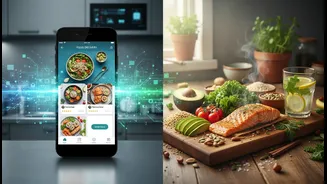
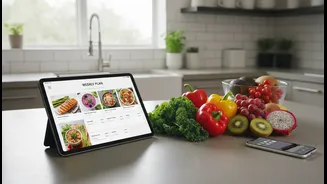
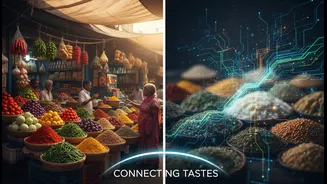
Underpinning these advancements is a powerful technological backbone. Artificial intelligence and automation are the engines driving Cloud Kitchens 2.0. AI algorithms forecast demand, helping kitchens reduce food waste by up to 40% and optimise inventory. Kitchen automation helps in standardising recipes, ensuring that the biryani you order today tastes exactly the same as the one you loved last week. Data analytics allows brands to understand consumer preferences with incredible detail, enabling them to test new dishes and even create entire virtual brands based on real-time trends. This technology is not just about efficiency; it's about creating a smarter, more responsive, and customer-centric food delivery experience.