






General Rule: Keep It Clean and Dry
The biggest enemy during the monsoon is moisture. Before storing anything, ensure your kitchen counters, utensils, and hands are thoroughly clean to avoid cross-contamination. For produce, the golden rule is to not wash items until you are ready to cook
them. Washing introduces moisture, which accelerates spoilage. If you buy vegetables that are already damp, wipe them with a clean, dry cloth before placing them in the refrigerator. For dry goods like pulses and grains, transfer them from their market packaging into airtight containers to protect them from the humid air. Adding natural moisture absorbers like dried neem leaves or bay leaves can also prevent mould.
Storing Vegetables: A Strategic Approach
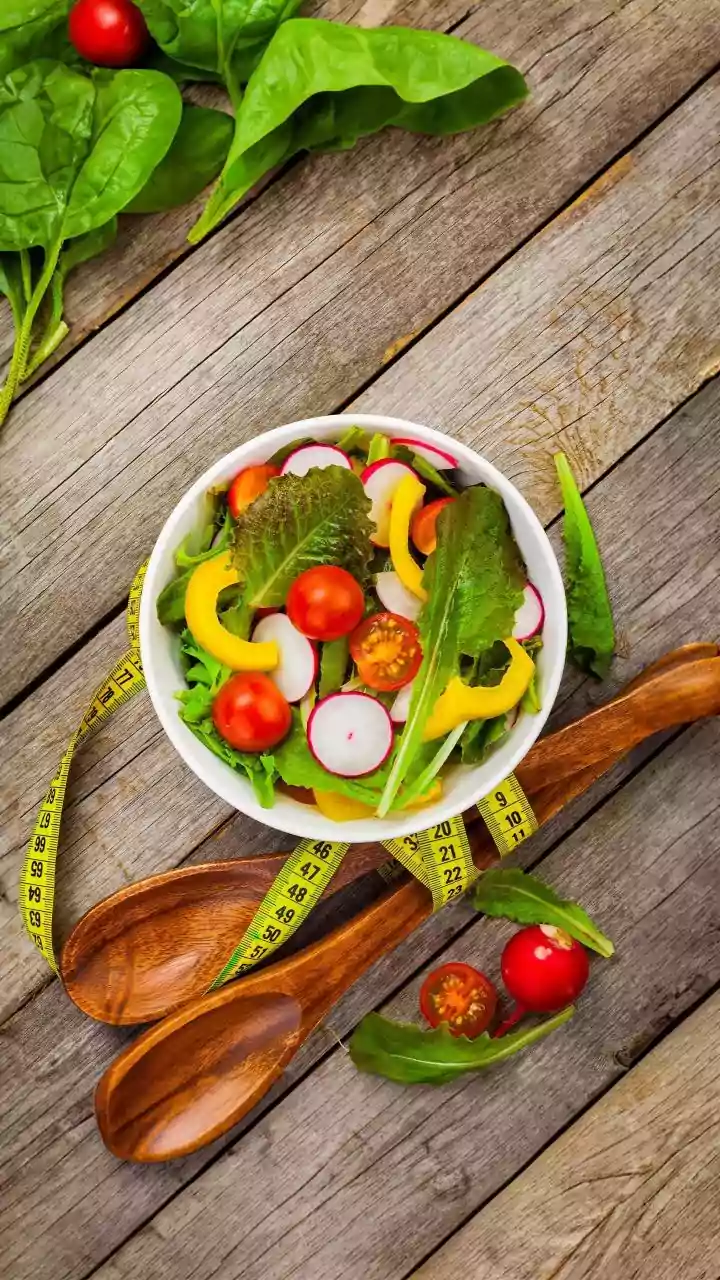
Not all vegetables are created equal, especially in humid weather. Leafy Greens like spinach (palak) and coriander (dhania) are highly susceptible to wilting and decay. The best method is to wrap unwashed greens in a paper towel or newspaper to absorb excess moisture and then place them in a cloth or breathable bag in the fridge. For hard vegetables like carrots, gourds, and beans, wipe them dry and store them in the refrigerator's crisper drawer. Root vegetables such as onions and garlic should be kept in a cool, dark, and well-ventilated spot, preferably in a mesh or jute bag, away from potatoes. Never store vegetables in sealed plastic bags, as this traps moisture and speeds up decay.
Keeping Fruits Fresh and Fungus-Free
Fruits also require special attention. It's best to buy them in smaller quantities more frequently during this season. Always wash fruits thoroughly under running water just before you plan to eat them. For fruits with peels like bananas, keep them at room temperature in a cool, shaded place. Other fruits should be stored in the upper shelves of the refrigerator, separate from vegetables, in breathable bags that allow for air circulation. Some fruits like apples and tomatoes produce ethylene gas, which can speed up the ripening and spoilage of other produce, so it’s wise to store them separately.
Handling Leftovers: The Two-Hour Rule
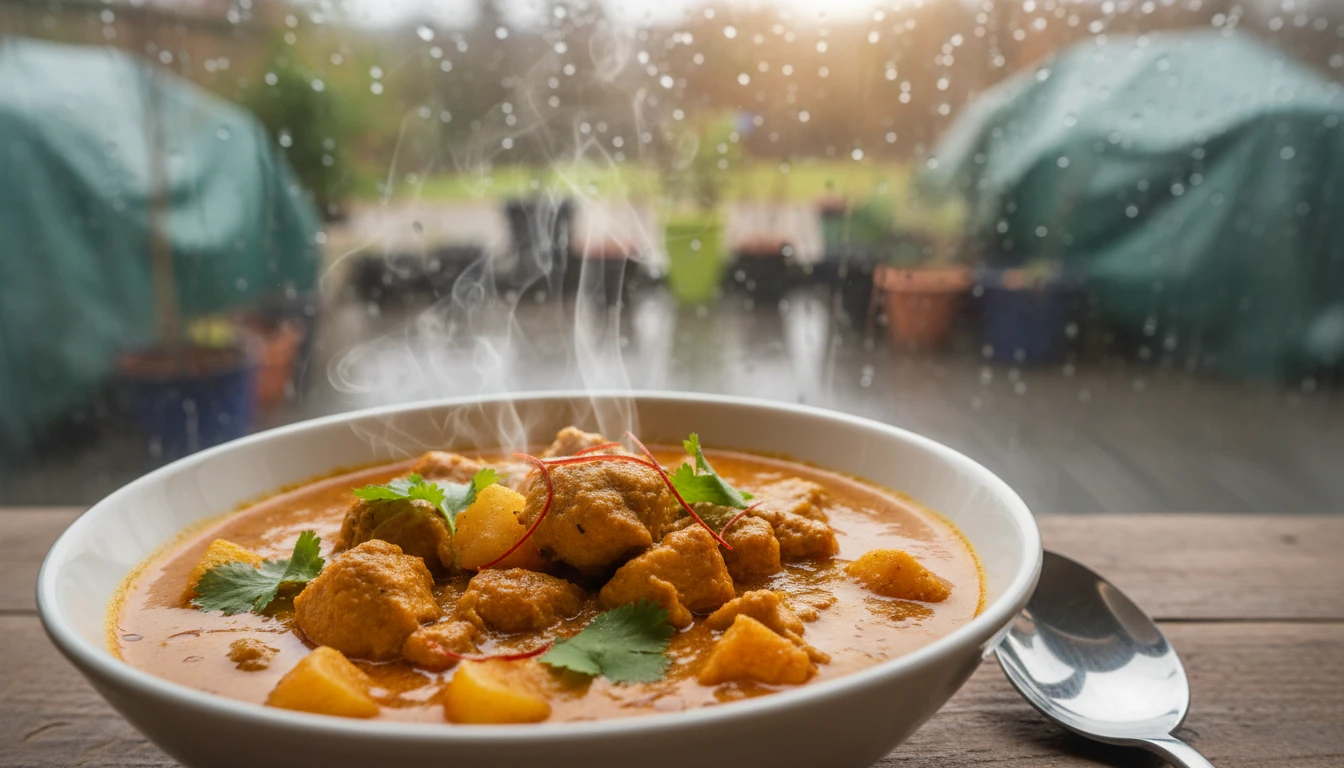
Leftover food is particularly prone to bacterial growth in the damp monsoon weather. The most important rule is to refrigerate leftovers within two hours of cooking. Don't leave cooked food sitting out on the counter. Store leftovers in clean, airtight containers to prevent contamination and moisture from getting in. When you're ready to eat them, ensure you reheat the food thoroughly until it is steaming hot, as this helps kill any bacteria that may have developed. It's also advisable to cook in smaller batches during the monsoon to minimise leftovers and the risk of spoilage.
Maintaining Your Refrigerator
Your refrigerator works overtime during the monsoon, but it can become a breeding ground for germs if not maintained. Clean your fridge regularly, at least once every two weeks. Wipe down shelves and drawers to remove any food spills or condensation. Avoid overloading the refrigerator, as this restricts airflow and leads to uneven cooling, creating warm spots where bacteria can thrive. An organised 'first-in, first-out' system helps you use up older items before they spoil. Keeping the fridge clean and organised is a simple but effective step in ensuring your food stays safe.