





The Right Rainwear: Jacket vs. Poncho
The single most important item is your rain protection. You have two main choices: a rain jacket or a poncho. A good rain jacket offers a snug fit, better mobility, and works well against wind. However, it only protects your upper body. A poncho, on the
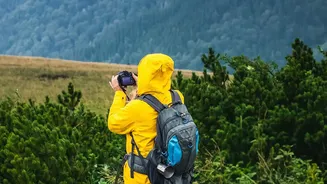
other hand, is a game-changer as it covers both you and your backpack, ensuring your spare clothes and electronics stay completely dry. Many seasoned trekkers recommend a poncho for its superior coverage during heavy downpours. Whichever you choose, ensure it's made of a breathable, waterproof material to avoid getting sweaty and damp from the inside.
Footwear First: Grip is Non-Negotiable
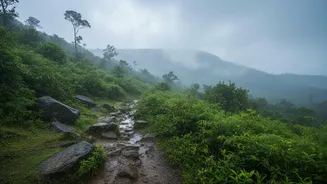
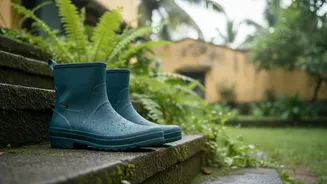
Monsoon trails are notoriously slippery, with wet rocks, mud, and moss creating treacherous surfaces. Your regular sports shoes or sneakers won't do; they lack the necessary grip and will get soaked quickly, leading to blisters and dangerous slips. Invest in a pair of proper trekking shoes with deep lugs for superior traction and good ankle support. While waterproof shoes sound ideal, some experienced trekkers prefer water-resistant, quick-drying shoes that allow feet to breathe. The consensus is that your feet will get wet regardless, so the priority is grip and support to prevent falls.
Smart Clothing Choices: Ditch the Cotton
When it comes to clothing, the golden rule for monsoon trekking is to avoid cotton at all costs. Cotton absorbs moisture, gets heavy when wet, and takes a very long time to dry, increasing your risk of feeling cold and uncomfortable. Instead, opt for synthetic, quick-drying fabrics like nylon or polyester for your t-shirts and trek pants. These materials wick moisture away from your body and dry quickly, even in humid conditions. Always pack at least one complete set of dry clothes sealed in a waterproof bag.
Backpack Protection: The Double-Layer Defence
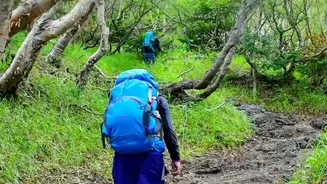
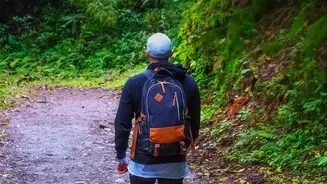
Your backpack holds your lifeline to comfort and safety. Keeping it dry is crucial. Start with a water-resistant backpack that has a dedicated, high-quality rain cover. This is your first layer of defence. For the second layer, pack all your essentials—clothes, electronics, first-aid, and food—inside smaller plastic bags or dedicated dry bags within your main rucksack. This ensures that even if some water gets past the outer cover, your critical gear remains protected. Don't assume your bag is waterproof; always double-bag your valuables.
Dealing with Leeches: Prevention and Removal
Leeches are an inevitable part of trekking in the Western Ghats during the monsoon. While mostly harmless, they can cause panic. The best defence is prevention: wear full-length pants and tuck them securely into high-length socks to create a physical barrier. Anti-leech socks, which are tightly woven and go up to your knees, are also highly effective. If a leech does latch on, do not pull it off forcefully. Instead, sprinkle a bit of salt or hand sanitiser on it, and it will detach on its own. Clean the bite area with an antiseptic wipe afterwards.
Essential Safety and Navigation Gear
A few small items can make a huge difference. Carry a headlamp or a torch, as thick fog and forest cover can reduce visibility, and delays might mean you're trekking after sunset. A trekking pole is highly recommended to provide an extra point of contact on slippery ground and to gauge the depth of muddy patches. Pack a basic first-aid kit in a waterproof pouch, including antiseptic wipes, bandages for cuts, and blister plasters. Also, carry a power bank for your phone, which should be kept in a waterproof case with offline maps downloaded.