


Why Clean Air is Non-Negotiable
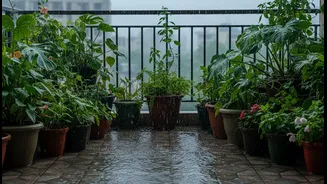
Herbs, like all plants, breathe. Stagnant air around your pots is an open invitation for fungal diseases like powdery mildew and pests that thrive in still, humid conditions. Proper air circulation is one of the most overlooked but critical aspects of growing
healthy indoor plants. It helps dry moisture from the leaves, preventing mould, and strengthens the plant's stems as they react to the gentle movement. Think of it as replicating a natural, gentle breeze. This doesn't mean you need a gale force wind; simply avoiding cramped, airless corners makes a huge difference. Also, be mindful of what is in the air. Avoid placing your herbs where they might be exposed to cooking grease, heavy smoke, or chemical cleaning sprays, which can clog their pores and hinder growth.
The Golden Rule of Easy Access
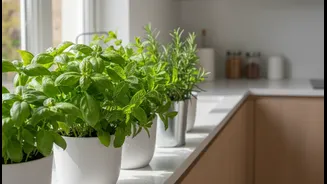
The single most important rule for a kitchen herb garden is to place it as close to the kitchen as possible. If your herbs are tucked away on a distant balcony or in a hard-to-reach corner, you are far less likely to use them or notice when they need care. The goal is to make harvesting as convenient as reaching for a dried spice from your pantry. When you can easily snip a few leaves of basil or curry patta while your food is cooking, you will not only use them more often but also maintain the plants better. Regular harvesting encourages bushier, more productive growth, so easy access directly contributes to a healthier, more abundant garden. This 'out of sight, out of mind' principle is often the downfall of many well-intentioned herb gardens.
Finding The Perfect Spot
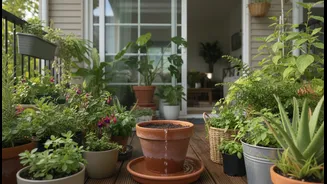
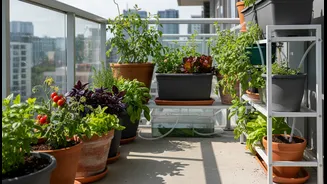
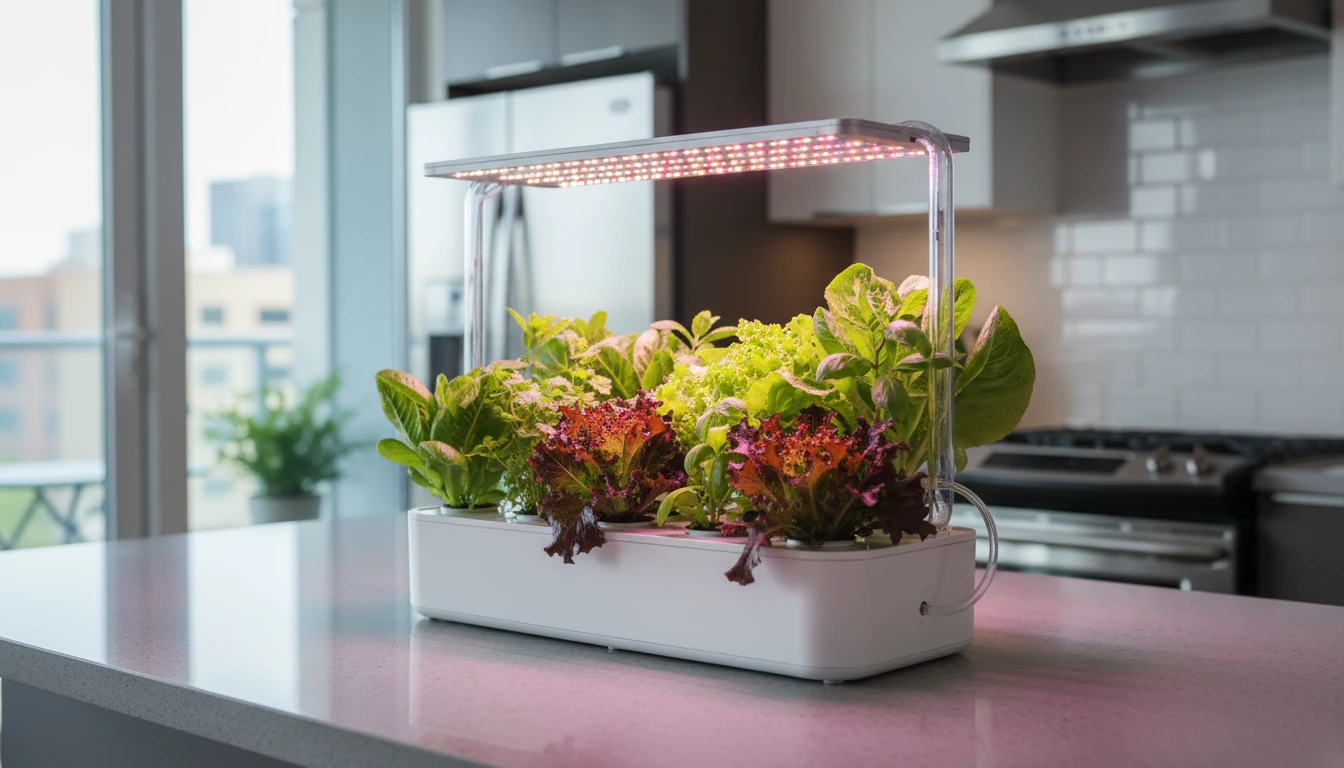
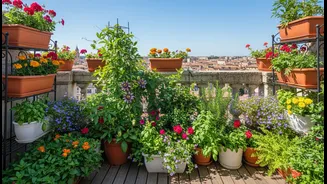
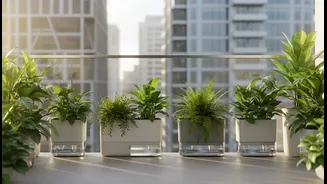
The ideal location for your herbs balances sunlight, clean air, and accessibility. A kitchen windowsill is a classic choice for a reason, especially if it's south or east-facing, providing the 4-6 hours of light most herbs need. If your kitchen lacks adequate light, a spot on a nearby balcony or a well-lit corridor just steps from the kitchen door can work perfectly. Consider using wall-mounted planters, hanging pots, or tiered stands to make the most of vertical space, especially in smaller apartments. These options also improve air circulation around each plant. Just remember to rotate your pots every few days to ensure all sides get even light exposure, preventing the plants from leaning.
Herbs and Containers for Indian Kitchens
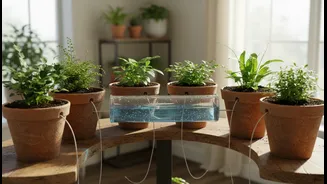
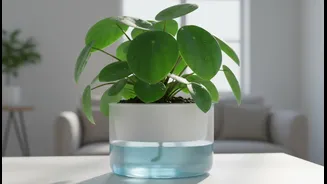
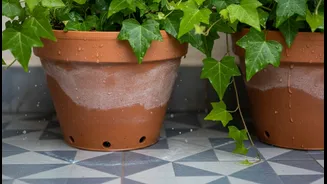
Start with herbs you love to cook with. For most Indian households, this means coriander (dhania), mint (pudina), holy basil (tulsi), and curry leaves (kadi patta). These are relatively easy to grow and are used frequently in daily cooking. Mint is famously aggressive, so it's best to give it its own pot to prevent it from taking over. When choosing containers, prioritize function over aesthetics, or find pots that offer both. Good drainage is essential to prevent root rot, one of the most common killers of indoor herbs. Ensure every pot has holes at the bottom. Terra cotta pots are a great choice as they are porous and help absorb excess moisture. For busy urban gardeners, self-watering pots can also be an excellent, low-maintenance option.
A Simple Care Routine to Follow
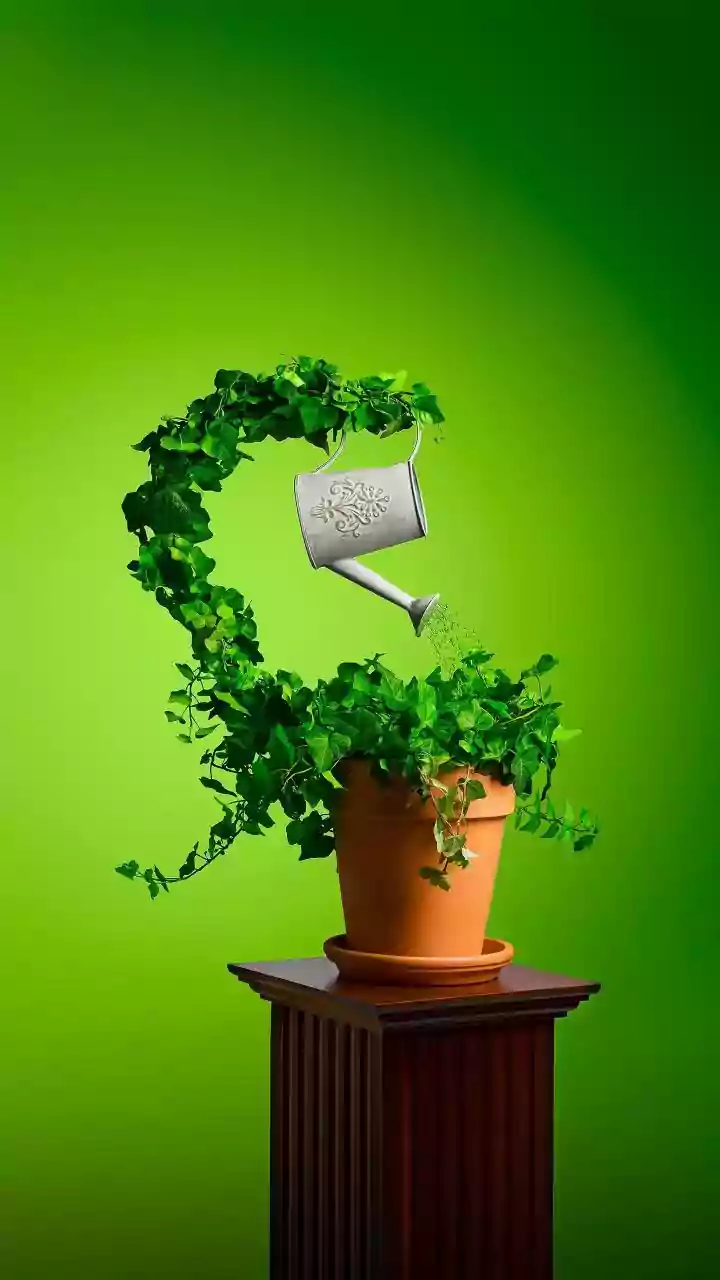
The biggest mistake beginners make is overwatering. Don't water on a fixed schedule; instead, check the soil. A good rule of thumb is to water only when the top inch of soil feels dry to the touch. When you do water, do it thoroughly until water runs out of the drainage holes. Another common mistake is neglecting to harvest. Don’t be shy! Pinching leaves off from the top of the plant encourages it to grow fuller and bushier. Avoid letting your herbs flower (unless you want the seeds), as this can make the leaves less flavourful. For herbs like coriander, which can bolt (flower quickly) in hot weather, it's a good idea to sow a new batch of seeds every few weeks to ensure a continuous supply.