



The End of an Era?
Let’s be clear: the beach isn’t going anywhere. The hypnotic rhythm of waves, the warmth of the sun on your skin, and the laid-back vibe of coastal towns hold a timeless appeal. For decades, a trip to Goa, the Andamans, or an international coastal paradise
was the default benchmark for a successful getaway. The photos—feet up, cocktail in hand, turquoise water in the background—were the universal language of relaxation and success. This was the pinnacle of ‘bragging rights’: proof that you had escaped the grind for a life of leisure, even if just for a week.
A Shift in Aspiration
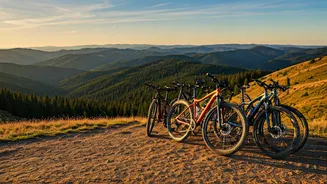
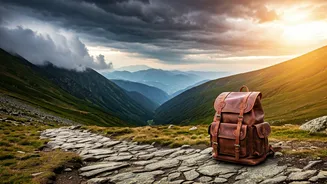
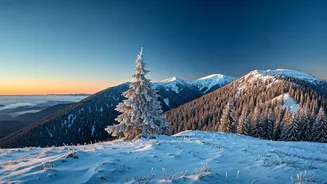
The cultural ground, however, is shifting. Post-pandemic, many travellers are re-evaluating what they want from a vacation. The desire for mere escape has evolved into a search for something more transformative. Crowded beaches and predictable party scenes are starting to lose their lustre for a growing demographic. Instead, they crave space, solitude, and a sense of genuine disconnection from the chaos of urban life. The mountains, with their vast landscapes and inherent tranquility, are perfectly positioned to meet this new demand. The new luxury isn't just about being pampered; it's about finding peace.
Wellness Over Indulgence
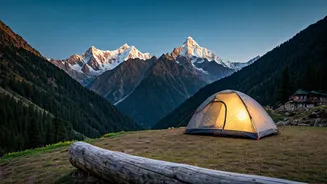
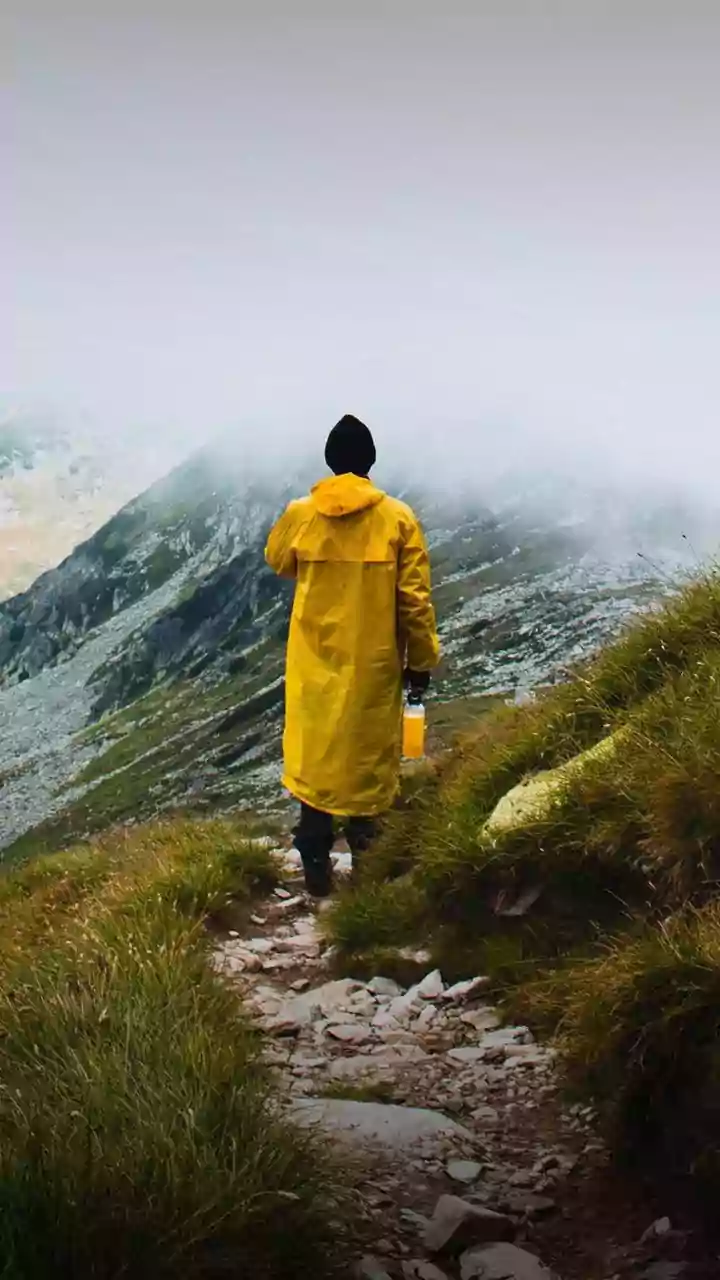
This trend is closely tied to the global explosion of the wellness industry. A beach holiday often leans towards indulgence—late nights, rich food, and lazy days. A mountain break, on the other hand, is increasingly framed around wellness and activity. Think morning yoga sessions overlooking a misty valley, long treks through pine forests, breathing in clean, crisp air, and the simple, hearty meals of the hills. The ‘bragging right’ is no longer about how much you relaxed, but how you rejuvenated. It’s the feeling of accomplishment after a challenging hike or the mental clarity found in meditation at high altitude. This is active, intentional rest, and it’s becoming the new aspiration for burnt-out urbanites.
The New Social Currency
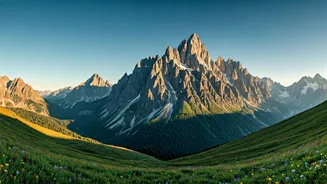
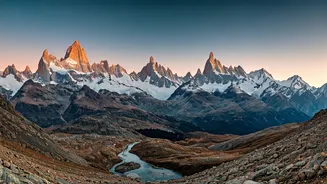
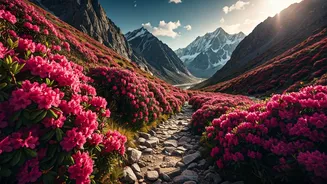
Social media, the great arbiter of bragging rights, reflects this change perfectly. The visual language has evolved. A photo of a pristine, untouched mountain lake or a video of prayer flags fluttering in the wind against a Himalayan backdrop communicates a different set of values. It says, ‘I am an adventurer,’ ‘I am seeking something deeper,’ ‘I am resilient.’ It suggests a journey that required effort, not just a credit card. While a beach photo says ‘I’m relaxing,’ a mountain photo says ‘I’m living.’ This narrative of personal growth and adventure is powerful social currency in an age that values experiences over possessions.
The Call of the Hills
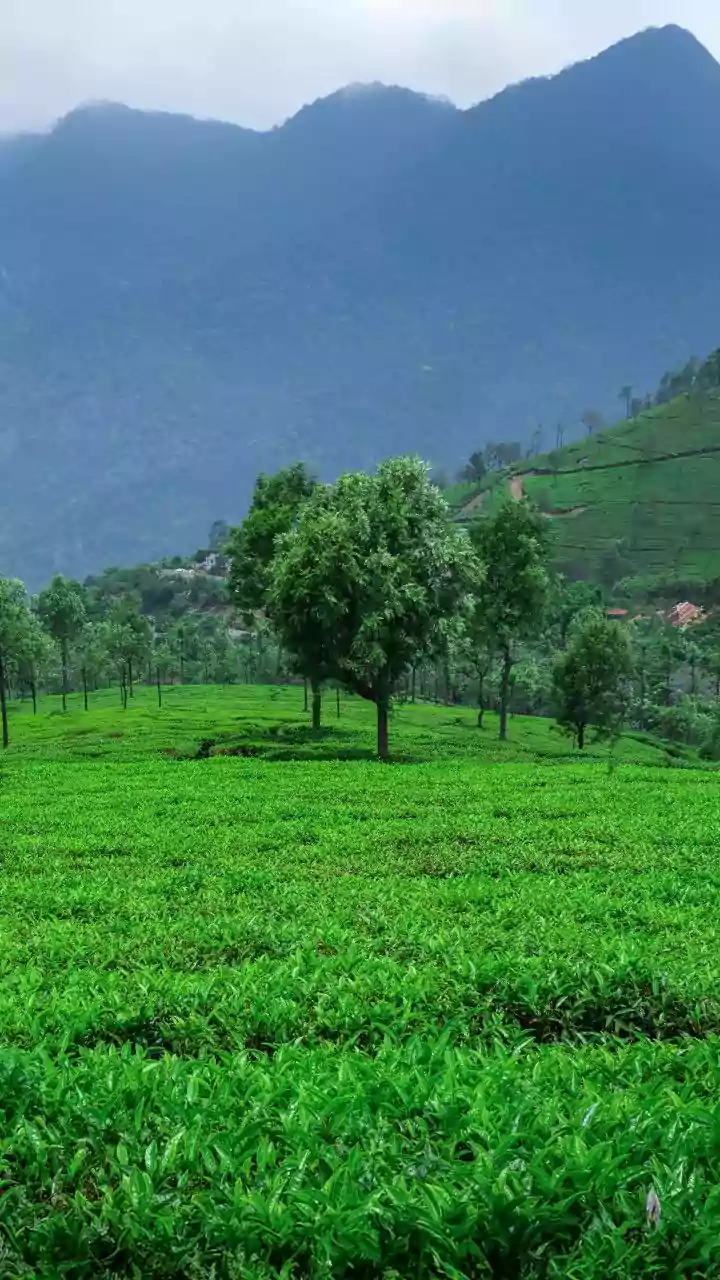
For Indian travellers, this trend has a unique resonance. The Himalayas have always been more than just mountains; they are a source of spirituality, mythology, and profound natural beauty. From the lush hills of Himachal and Uttarakhand to the dramatic landscapes of Ladakh and the serene tea gardens of the Nilgiris, the options are vast and accessible. As summer temperatures soar in the plains, the call of the cool, quiet hills becomes almost irresistible. This isn't just a trend; it's a rediscovery of a natural heritage that offers a potent antidote to the pressures of modern Indian life.