




The Anatomy of a 'Lived-In' Look
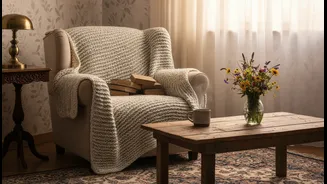
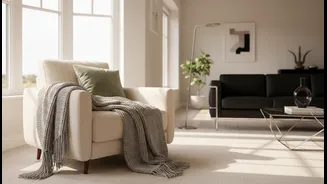
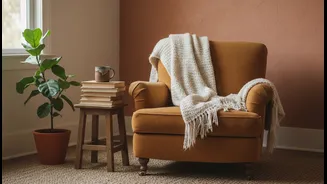
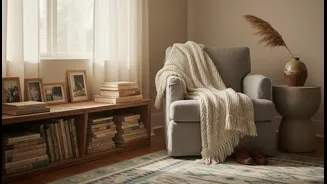
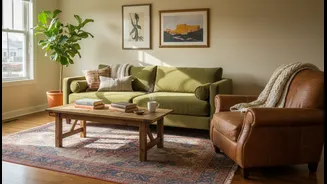
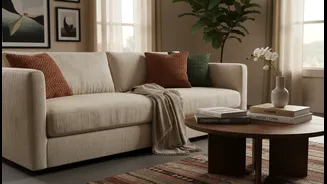
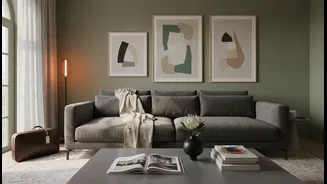
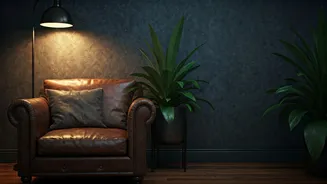
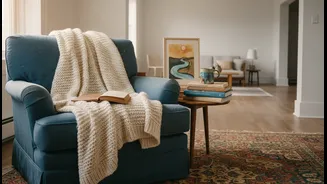
You know the aesthetic the moment you see it. A cashmere throw is draped just-so over a cream bouclé armchair. A stack of aesthetically pleasing, unread hardbacks sits on the coffee table next to a single, artfully placed ceramic mug. This is the internet’s
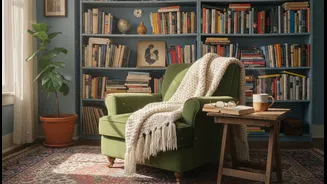
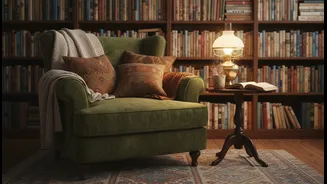
version of a ‘lived-in’ home. It is a dominant trend that has moved from Pinterest boards to reality, promoting a style of ‘curated calm’ and ‘gentle clutter’. The goal is to create a space that feels personal and warm, a direct rebellion against the cold, hard lines of earlier minimalist trends. It’s about creating a narrative, suggesting a life filled with quiet moments of reading and reflection. But who is this life really for?
The Performance of Comfort
The issue arises when ‘lived-in’ becomes a performance. The aesthetic, while beautiful, is often a formula. It can be purchased and assembled without any real personal history attached. The objects are right, the colours are soothing, but the soul is often missing. It’s a look designed for an audience, perfectly framed for a social media post where it can be liked and replicated. This approach prioritizes aesthetics over true authenticity, creating a space that looks like someone lives there, rather than a space that is genuinely shaped by the life of its occupant. The result is a home that feels like a stage set, ready for its close-up but lacking the genuine, unpredictable messiness of a real home.
Defining 'Rental Energy'
This brings us to ‘rental energy’. A rental property, by its nature, is a temporary space. You can make it look nice, but you don't put down deep roots. You add easily removable items, avoid major changes, and often stick to safe, neutral palettes that won’t offend the next tenant. The hyper-curated ‘lived-in’ look can evoke a similar feeling. Because it’s a trend, it’s easily replicable and feels transient, as if the owner could pack up their trendy objects and move on without leaving a trace. There’s no deep, personal story embedded in the walls or the furniture; there’s just a collection of popular items. It’s a space that’s trying to tell a story, but the story is a generic one borrowed from an algorithm, not born from experience.
In Praise of the Truly Personal
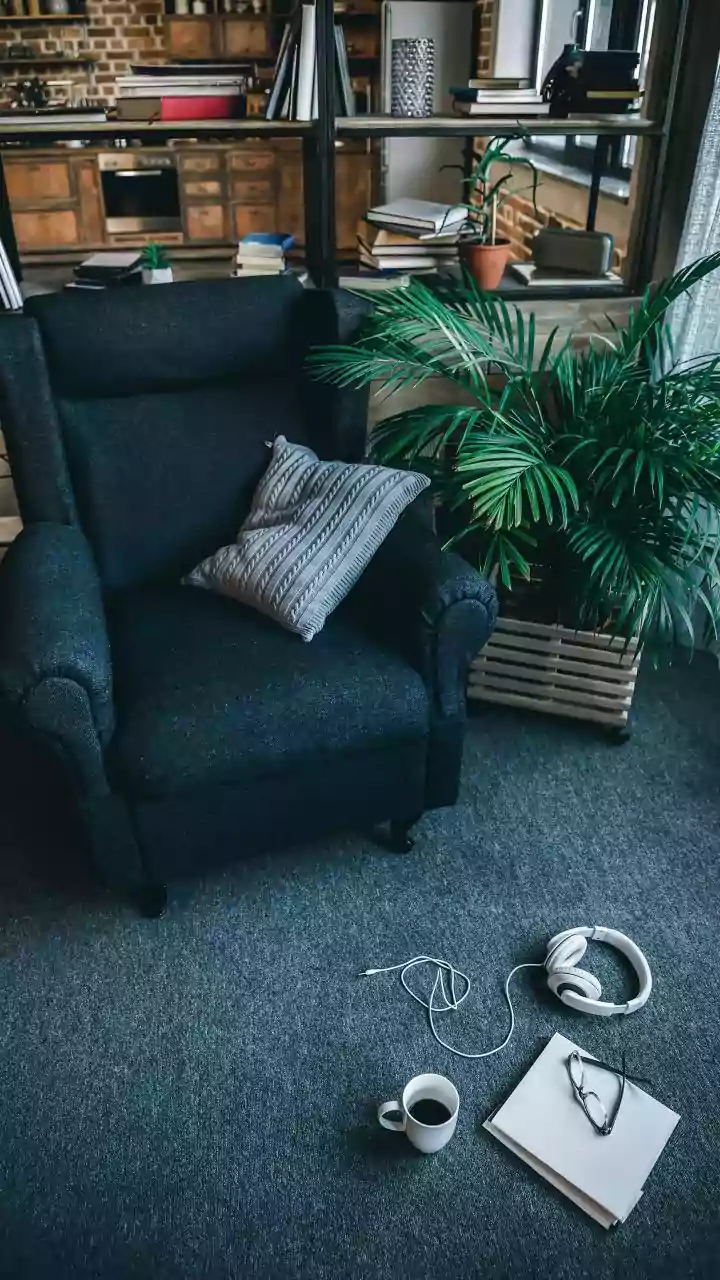
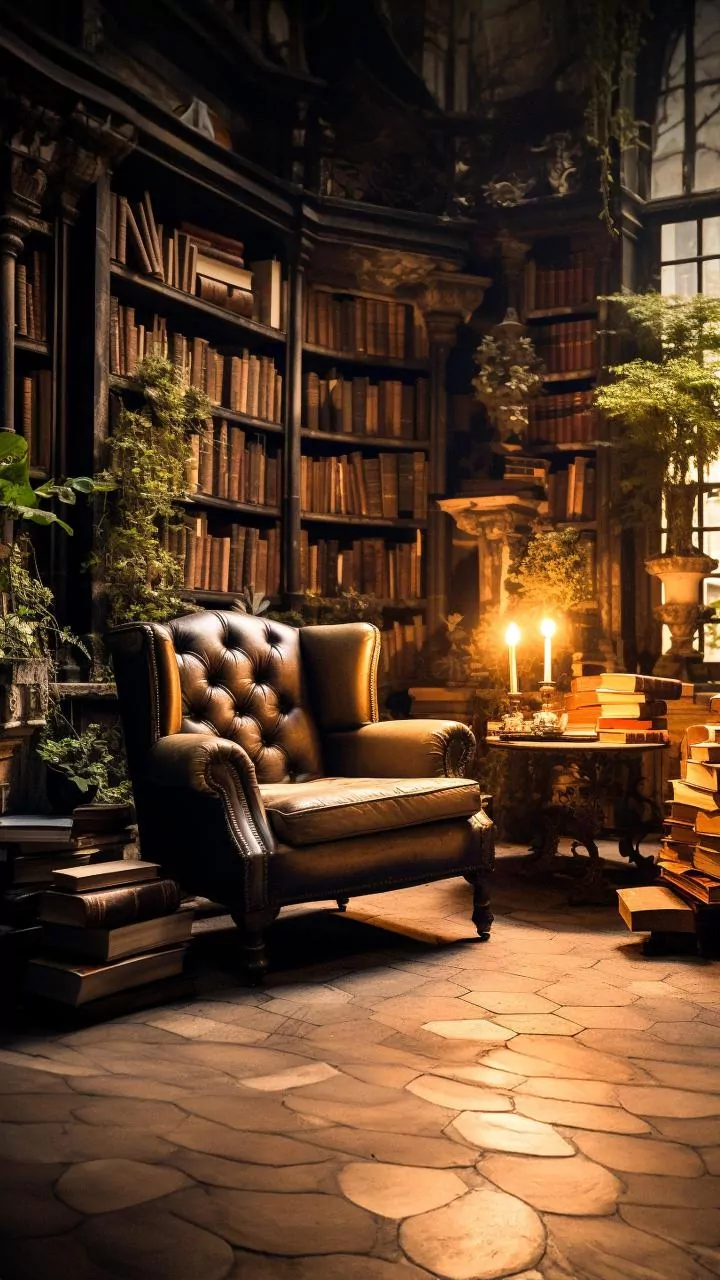
So, what’s the alternative? A truly personal home that tells your unique story. This kind of home isn’t built in a day or from a single shopping trip. It grows organically, layer by layer, over time. It’s a mix of old and new, high and low. It features the mementos from your travels, the slightly weird art you love, and the furniture inherited from your grandparents. It has books that are actually read, chairs that are actually sat in, and colours that you genuinely love, not just the ones that are ‘in’. Authenticity in design isn’t about achieving perfection; it’s about reflecting your personality, passions, and history.
How to Build an Authentic Home
Creating a home with soul means ignoring the pressure to have a perfectly finished space right away. It’s about collecting, not just consuming. Instead of buying a set of generic prints, frame a handwritten note or a child's drawing. Display your hobbies and collections proudly. Let your home evolve as you do. Maybe you loved minimalism five years ago and now crave more colour and pattern. That’s okay. Your home is a canvas for your story, not a static showroom. It should be a sanctuary that makes you feel good, not a space that makes you feel pressure to perform. The most timeless and beautiful homes are those that are a true reflection of the people who live inside them, imperfections and all.