




More Than Just Achaar
For generations of Indians, the pickle—or achaar—has been a constant, comforting presence. It’s the fiery mango pickle that complements a simple dal-rice meal, the sweet lemon chutney that accompanies a paratha. But the pickles currently taking over restaurant
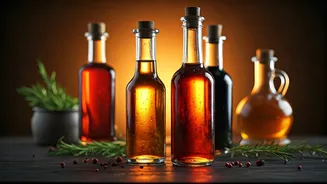
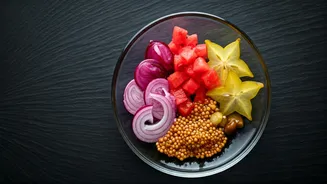
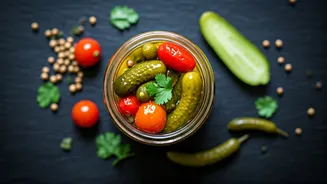
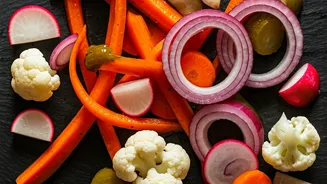
menus and social media feeds are a different breed. These are not the oil-heavy, spice-laden preserves maturing in sun-drenched glass jars. Instead, think of them as 'pickled accents': quick-pickled slivers of onion, radish, or cucumber that provide a sharp, clean burst of acidity and a satisfying crunch, designed to elevate a dish rather than just sit beside it.
A Global Flavour Palette
This trend is fueled by a global culinary curiosity. Chefs in India are drawing inspiration from pickling traditions around the world and giving them a local twist. You’ll find bright pink pickled onions, a staple in Mexican taquerias, now adorning gourmet burgers and chaat. Korean kimchi, with its fermented fire, is being used to stuff kulchas or top loaded fries. Japanese gari (pickled ginger) and European gherkins are no longer confined to sushi platters or sandwiches; they are finding their way into innovative salads and appetizers. This cross-pollination of flavours introduces diners to new textures and tastes while still feeling comfortingly familiar, thanks to India’s inherent love for all things sour and pungent.
The Science of Sour
There’s a culinary science to why these pickled accents work so well. The magic lies in the acidity. A sharp hit of vinegar or citrus cuts through richness and fat, cleansing the palate and making heavy dishes feel lighter and more balanced. Imagine a rich, creamy butter chicken. Now imagine it topped with a few slivers of zesty pickled onion. That single element prevents the dish from becoming monotonous, adding a high note that makes each bite more interesting than the last. This clever use of acidity adds complexity and depth, transforming a good dish into a great one. It’s a chef’s secret weapon for balancing flavour, and now it’s out in the open for everyone to enjoy.
Beyond the Dinner Plate
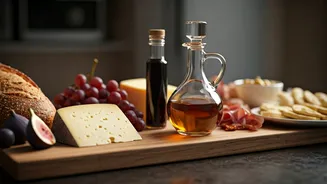
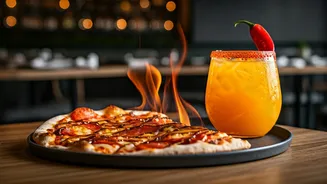
The pickle's journey doesn't end with food. It has confidently marched right into the world of beverages. Bars and mixologists are embracing the briny, savoury potential of pickled ingredients. The 'dirty martini' gets an upgrade with a splash of olive brine or even pickle juice, adding a salty umami kick. Cocktails are garnished not just with a wedge of lime, but with a skewer of tiny pickled onions or a crisp cornichon. Even non-alcoholic beverages are getting in on the act, with shrubs—drinking vinegars sweetened with fruit—offering a sophisticated, tangy alternative to sugary sodas. This move into cocktails showcases the ultimate versatility of the pickle: it can be both a rustic comfort and a chic, modern ingredient.
Bringing the Trend Home
The best part about this trend is its accessibility. You don’t need to be a professional chef to start using pickled accents. Creating a batch of quick-pickled onions is incredibly simple: just slice red onions thinly and submerge them in a mixture of vinegar, water, a pinch of sugar, and salt for about 30 minutes. The same method works wonders for carrots, radishes, cucumbers, and even cauliflower. You can use them to liven up your sandwiches, add a pop of colour to your salads, or garnish your evening dal. It’s a low-effort, high-impact way to bring a touch of restaurant-style flair to your home cooking.