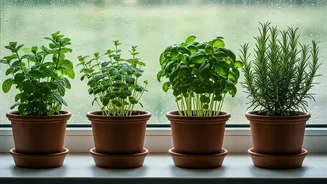




Mint: The Resilient All-Rounder
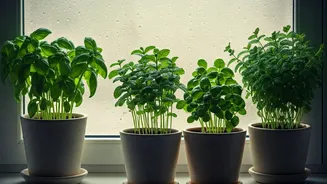
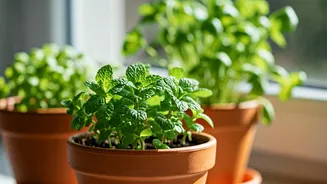
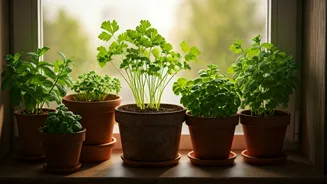
Mint is one of the most forgiving herbs you can grow indoors, making it an excellent starting point for beginners. It is known for its ability to thrive in indirect light and adapt to shaded spaces. For best results, place your mint pot near a window
that gets filtered morning light. This herb loves moisture, so keep the soil consistently damp but never waterlogged. A good rule is to water whenever the top layer of soil feels dry. Plastic pots are a great choice as they retain moisture better than porous terracotta. To encourage a fuller, bushier plant, trim the tips regularly. This not only provides you with fresh leaves for your chai or chutney but also prevents the plant from becoming long and stringy.
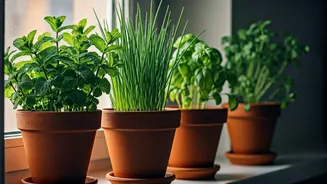
Chives: The Compact Flavour-Booster
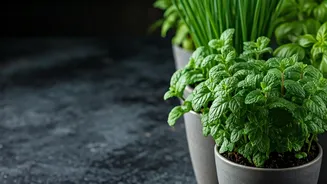
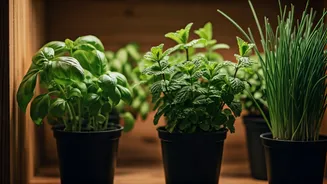
With their slender, grass-like appearance and subtle onion taste, chives are a fantastic addition to any kitchen garden. They are compact, low-maintenance, and grow well even with less sunlight. While they appreciate a bright spot, they can easily tolerate lower light conditions, such as on a kitchen counter or near a window that doesn't get direct sun. Chives have a shallow root system, so a pot that is about six to eight inches deep is sufficient. Ensure the pot has good drainage to prevent water from pooling at the bottom, which can cause root rot. Water them when the top inch of soil feels dry, and you'll have a steady supply of this versatile garnish for your dals, salads, and eggs.
Parsley: The Nutrient-Packed Garnish
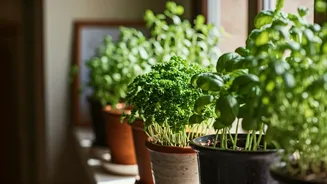
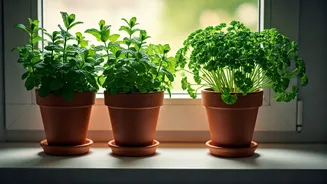
Parsley is another herb that doesn't demand hours of direct sunlight to flourish. A few hours of gentle morning light or even bright, indirect light is often enough for it to grow happily. This makes it well-suited for a spot on a countertop or near a north-facing window. Parsley prefers its soil to be kept evenly moist. You can feed it with a half-strength liquid fertilizer every few weeks to maintain its vibrant green leaves. When it's time to harvest, snip the outer stems from the base. This allows the new shoots in the centre to continue growing, ensuring your plant remains productive. Whether you choose the curly or flat-leaf variety, you'll have a fresh, vitamin-rich addition for your meals.
Lemon Balm: The Aromatic Tea Herb
A member of the mint family, lemon balm shares a similar hardiness and tolerance for shade. This fragrant herb can handle significantly less light than many others, making it a perfect candidate for darker apartments. Its pleasant, citrusy scent is a natural deodorizer for small spaces. Like mint, it prefers consistently moist soil, so regular watering is key. A well-draining potting mix will help prevent the roots from becoming soggy. Place it in a spot that receives some indirect light, and it will reward you with fragrant leaves perfect for brewing a calming cup of herbal tea or adding a zesty twist to water and salads.
Tips for Low-Light Success
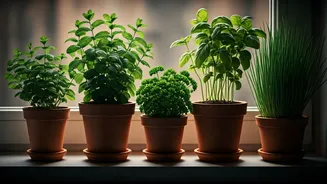
Even shade-tolerant herbs will benefit from a little extra care. First, remember that low light is not the same as no light; all plants need some light for photosynthesis. To maximize what you have, keep your windows clean to let in as much light as possible. Rotate your pots every few days so that all sides of the plant get some light exposure, preventing them from leaning. Plants grown in lower light also tend to grow more slowly and require less frequent watering. If you find your herbs are becoming 'leggy'—with long, thin stems and few leaves—it's a sign they are stretching for light. You can pinch them back to encourage bushier growth or consider supplementing with a small, inexpensive fluorescent bulb if your space is particularly dark.