






A Land of Dramatic Contrasts
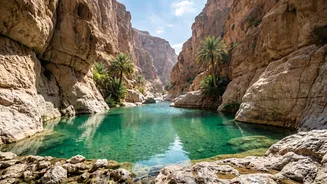
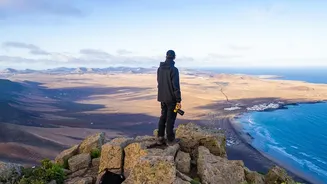
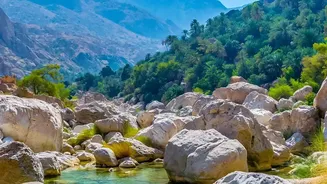
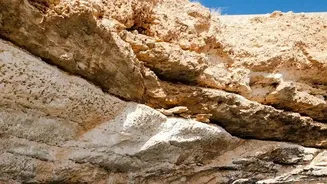
Oman's landscape is far from the monotonous desert many imagine. It's a country of stunning geographical diversity that feels tailor-made for exploration. The most iconic natural features are the wadis—riverbeds carved into canyons that hold crystal-clear
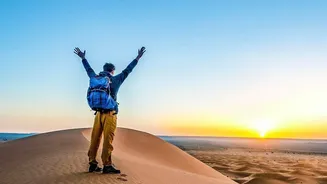
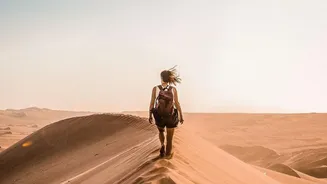
turquoise pools. Wadi Shab is a must-visit, involving a short boat ride and a 45-minute hike that rewards you with a series of swimming holes, culminating in a hidden cave with a waterfall. For those seeking grander vistas, the Al Hajar mountain range delivers. Jebel Shams, the country's highest peak, is home to the 'Grand Canyon of Arabia', a breathtaking chasm best viewed from the famous Balcony Walk trail. In contrast, the rolling dunes of Sharqiya Sands (formerly Wahiba Sands) offer a classic desert experience, from dune bashing in a 4x4 to spending a night under a blanket of stars at a desert camp. This variety means one day you could be swimming in a lush oasis and the next, watching the sunset over an endless sea of sand.
The E-Visa: Your Hassle-Free Entry
One of the biggest factors making Oman so accessible is its streamlined e-visa system for Indian citizens. The Royal Oman Police portal allows travellers to apply online, avoiding embassy visits and lengthy paperwork. For most tourists, a single-entry visa valid for a 10 or 30-day stay is the most common choice. The process is straightforward: create an account, fill in your details, upload required documents like your passport and a photograph, and pay the fee. Typically, processing takes a few working days. Furthermore, Indian passport holders who have a valid visa or residence permit from the US, UK, Canada, Australia, Japan, or Schengen countries may be eligible for visa-free entry for up to 14 days, which adds another layer of convenience. This ease of entry removes a significant barrier, allowing backpackers to focus on planning their adventure rather than navigating complex bureaucracy.
Culture, Cities, and Unmatched Safety
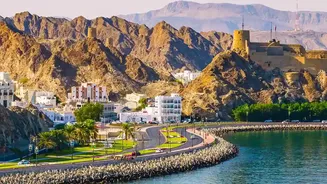
Beyond the landscapes, Oman offers a rich cultural tapestry. The capital, Muscat, is a great starting point with its elegant Sultan Qaboos Grand Mosque, bustling Mutrah Souq, and historic old quarter. Unlike its glitzy neighbours, Oman has prioritized preserving its heritage, resulting in cities that feel authentic and deeply rooted in tradition. The historic town of Nizwa is another highlight, famous for its massive fort and lively Friday goat market. What truly makes backpacking here worthwhile is the legendary Omani hospitality and the country's exceptional safety record. Oman is consistently ranked as one of the safest countries in the world, with very low crime rates. Travellers, including solo women, frequently report feeling incredibly safe and welcomed by locals, which creates a comfortable and respectful environment for independent exploration.
Budget and Practicalities for Backpackers
While Oman isn't as cheap as Southeast Asia, it can be explored on a reasonable budget with some planning. Accommodation is often the biggest expense, as the classic backpacker hostel scene is not well-developed. However, budget-friendly guesthouses are available, and for the truly adventurous, wild camping is legal, safe, and free in many scenic spots. When it comes to food, you can save money by eating at local coffee shops, which serve delicious and affordable Indian and Omani food for just a few rials. For getting around, renting a car is almost essential to reach the best wadis, mountains, and desert areas, as public transport between smaller towns is limited. Fuel is inexpensive, and sharing the cost of a rental car with other travellers can make it a very economical option. This freedom to explore at your own pace is what makes the experience truly unforgettable.