



A Taste of Tradition
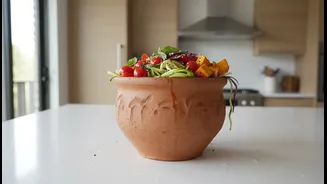
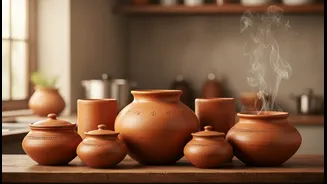
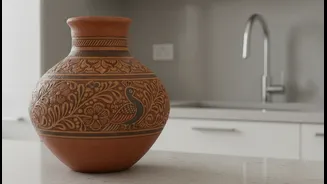
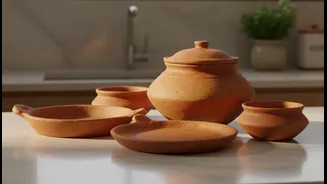
Long before stainless steel and non-stick pans filled our cabinets, Indian kitchens ran on earthenware. The use of clay cookware, or 'mitti ke bartan', dates back thousands of years to the Indus Valley Civilization. These pots, known as 'handis' or 'matkas',
were essential for the slow-cooking methods that define much of Indian cuisine. For generations, they were not just tools but cherished possessions, handcrafted by local artisans and passed down as family heirlooms. The shift to modern materials like aluminum and steel in the late 20th century promised speed and convenience, pushing clay pots into the background. However, their recent revival isn't just about nostalgia; it’s a rediscovery of the profound benefits this ancient technology offers.
The Science of Superior Flavour
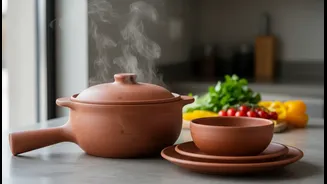
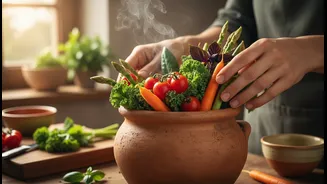
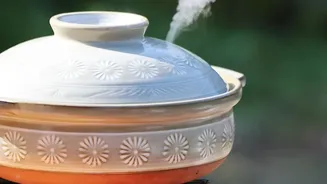
Anyone who has eaten a curry or biryani from a clay pot will attest to its unique, earthy flavour. This isn't just imagination; it's science. Clay is naturally porous, allowing heat and moisture to circulate evenly throughout the pot. Unlike metal pots that heat up quickly and can create hot spots, clay heats gently and uniformly, preventing food from burning. This slow, steady cooking process allows spices to meld deeply, developing richer and more complex aromas. The porous nature also means the pot retains moisture, steaming the food in its own juices. This keeps dishes succulent and tender without needing excess oil or water.
More Than Just Taste: The Health Benefits
A primary driver of the clay pot renaissance is growing health consciousness. Many modern non-stick pans contain synthetic coatings that can release harmful chemicals at high temperatures. Pure, unglazed clay pots are a natural, non-toxic alternative. Furthermore, clay is alkaline. When acidic foods like tomatoes are cooked, the clay helps neutralize their pH, making the final dish gentler on the digestive system. This slow cooking method at lower temperatures also helps preserve delicate nutrients and vitamins that can be destroyed by high-heat metal cooking. Some believe that essential minerals from the clay, like calcium, magnesium, and iron, can even leach into the food, providing a small nutritional boost.
Embracing the Earthy Charm
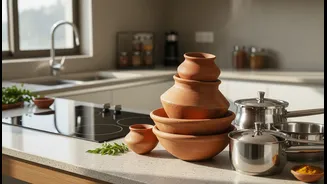
Bringing a clay pot into a modern kitchen is simpler than it seems. They are versatile and can be used on gas stoves (with a diffuser on low to medium heat) and in ovens. Before its first use, a new clay pot needs to be seasoned, which usually involves soaking it in water for several hours to prevent cracking and prepare the porous surface. Cleaning is also straightforward; a gentle scrub with warm water is all that’s needed, as harsh soaps can be absorbed into the clay. As more people embrace sustainable living, the eco-friendly nature of clay pots adds to their appeal. They are biodegradable, returning to the earth without leaving a trace, unlike synthetic cookware that can linger in landfills.