







Why The Sweet Stuff Is Under Pressure
Domestic sugar prices have started to climb recently, and the reasons stretch from local weather patterns to global market dynamics. A primary concern is the performance of the Southwest Monsoon. Below-normal rainfall in key sugarcane growing states like
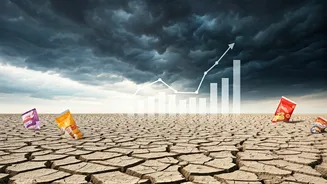
Maharashtra and Karnataka can impact the growth of the cane and its sucrose content, directly affecting production for the next sugar season. Analysts are watching for the looming threat of an El Niño weather pattern, which has historically disrupted monsoon rains and could further impact crop yields. These concerns have led the market to factor in a 'weather premium' on prices, even before the harvest is complete. On the policy front, the Indian government is balancing domestic needs with global commitments. To ensure sufficient availability at home and keep prices in check, India has extended restrictions on sugar exports. This decision tightens the global supply, putting upward pressure on international prices, which can have a knock-on effect back home.
The Slippery Situation With Edible Oils
India's reliance on the global market for cooking oil is significant, as the country imports around 60% of its total consumption. This dependency makes domestic prices highly susceptible to international market shifts, currency fluctuations, and geopolitical events that can disrupt supply chains for palm, soybean, and sunflower oils. A weaker rupee, for instance, automatically makes these imports more expensive, a cost that eventually gets passed on to consumers. While the government has previously adjusted import duties to manage prices, the current balancing act is a tricky one. The goal is to protect households from inflation while also encouraging domestic oilseed production to reduce import dependency in the long run. The performance of the monsoon is just as critical for domestic oilseed crops like soybean and mustard as it is for sugarcane. A good harvest can help moderate prices, but poor rainfall could increase the reliance on costly imports.
The Combined Impact On Your Wallet
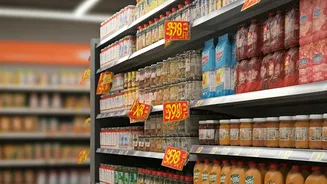
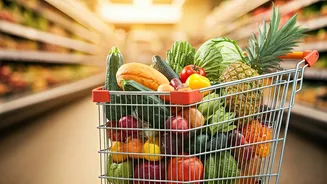
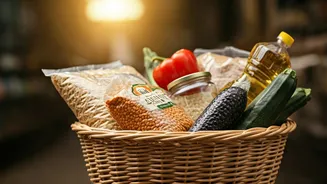
When the prices of both sugar and edible oil rise, the impact is felt far beyond the grocery bill. These two ingredients are foundational to a vast array of products, from biscuits and sweets to snacks and restaurant meals. An increase in their base cost triggers a ripple effect across the food processing industry, contributing to broader food inflation. For the average household, this means not just paying more for a bag of sugar or a bottle of oil, but also potentially higher prices for eating out and buying packaged goods. Because food and beverages form a substantial part of the Consumer Price Index basket, sustained price hikes in these commodities can impact the country's overall inflation rate, affecting economic policy and consumer confidence. This 'double whammy' puts significant pressure on household budgets, forcing families to make difficult choices about their spending.
What To Expect This Quarter
The outlook for this quarter remains one of cautious observation. The most critical factor will be the progress of the monsoon through July and August; good, widespread rain could ease many of the current supply concerns for both sugar and oilseeds. Consumers and businesses should also keep an eye on government announcements. The Directorate of Sugar & Vegetable Oils is actively monitoring prices and availability, and could implement policy measures to ensure stability, such as adjusting stock limits or changing the import duty structure. Global price trends for both commodities will continue to be a major influence. While a full-blown price spike is not a certainty, a period of volatility is likely. Staying informed about these key drivers will be essential for navigating the potential impact on finances in the coming months.