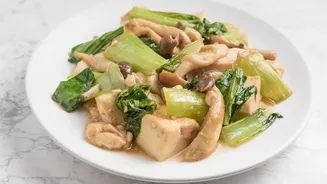




The sizzle of a hot wok, the aroma of ginger and garlic, and the vibrant colours of fresh vegetables—a stir-fry is a feast for the senses. But adding pineapple to the mix with savoury tofu? That’s where the real magic happens.
The Science of Sweet and Savoury
At the heart of many beloved
Asian dishes is the principle of balancing flavours: sweet, sour, salty, and spicy. Pineapple is a masterstroke in this culinary equation. Its natural sugars provide a sweetness that beautifully rounds out the saltiness of soy sauce and the umami depth of tofu. But it’s not just about sweetness; pineapple also brings a crucial element of acidity. This bright, tangy note cuts through the richness and prevents the dish from feeling too heavy, creating a flavour profile that is complex and refreshing. It’s this interplay between sweet fruit and savoury sauce that transforms a simple stir-fry into something truly memorable.
Fresh vs. Canned Pineapple
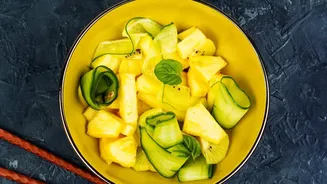
The great pineapple debate often comes down to fresh versus canned. For a stir-fry, fresh pineapple is generally preferred for its firmer texture and brighter, more complex flavour. It holds its shape better in the high heat of the wok. However, don't discount the convenience of canned pineapple. If you opt for canned, choose chunks packed in their own juice rather than heavy syrup. You can even use some of that reserved juice to add another layer of flavour to your stir-fry sauce. One thing to note is that fresh pineapple contains bromelain, an enzyme that breaks down protein. While this makes it a great meat tenderizer, it won't have a significant effect on firm tofu's texture during the quick cooking time of a stir-fry.
Perfecting Your Tofu
The key to great stir-fried tofu is achieving a crispy exterior that can soak up the sauce without turning to mush. Start with extra-firm tofu. The most crucial step is pressing it to remove as much water as possible. You can do this by wrapping the block in paper towels or a clean kitchen towel and placing something heavy on top for at least 30 minutes. Once pressed, cut the tofu into cubes and toss them in a light coating of cornstarch, which will help create that coveted crispy finish when fried. Pan-fry the tofu cubes in a bit of oil until they are golden brown on all sides before adding them to the stir-fry. This pre-frying step ensures the tofu maintains its integrity and texture.
Building a Balanced Sauce
A great stir fry is all about the sauce. It’s what ties all the ingredients together. For a pineapple and tofu stir fry, the goal is to complement the pineapple's sweetness, not compete with it. A classic base includes soy sauce for saltiness and umami, a touch of rice vinegar for a sour kick, and minced garlic and ginger for aromatic depth. From there, you can add a dash of sesame oil for nuttiness or a bit of chilli sauce for heat. When incorporating pineapple, remember you're already adding a sweet and acidic element, so you may want to reduce other sweeteners like sugar or honey. Whisk all your sauce ingredients together in a small bowl before you start cooking, ensuring it's ready to go when you need it.
The Art of the Stir Fry
Stir frying is a fast and furious cooking method, so have all your ingredients prepped and ready by the wok. Start by stir frying your aromatics like garlic and ginger, followed by firmer vegetables like bell peppers or onions. The pineapple and pre cooked tofu should be added towards the end of the cooking process. Tossing them in for the last couple of minutes is enough to heat them through without making the pineapple mushy or the tofu tough. Finally, pour in your prepared sauce and stir everything to coat. The sauce will thicken quickly, clinging to the tofu and vegetables. Garnish with fresh green onions or toasted sesame seeds for an extra layer of texture and flavour before serving immediately over a bed of fluffy rice.