


Let Go of the 'Good vs. Bad' Mindset
The first step toward a more balanced approach is to stop labelling foods as 'good' or 'bad'. This black-and-white thinking is what fuels the cycle of restriction followed by overindulgence. When you forbid a certain dish, you give it immense power, making
it more desirable and likely to be consumed in excess later. Instead, give yourself permission to enjoy all foods in moderation. Nutrition is about your overall eating pattern, not a single meal or a single day. Realising that no single food can derail your health goals is liberating and helps you make choices from a place of enjoyment, not fear. This mindset shift is crucial for fostering a healthier, guilt-free relationship with food.
Plan, But Don't Prohibit
Going into a celebration with a gentle plan can make a world of difference. This doesn't mean creating a rigid list of rules. A common mistake is skipping meals to 'save up' calories for a big feast, but this often backfires, leading to extreme hunger and overeating. A better strategy is to have a small, balanced snack containing protein before you go, like some nuts or yoghurt. You can also plan your day around the main event. If you know dinner will be heavy, opt for lighter meals earlier in the day. It's also helpful to think about the social aspect; focus on conversations and connections, which reminds you that food doesn't have to be the sole focus of the celebration.
Survey the Spread Strategically
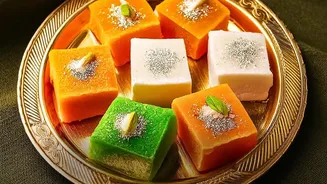
When faced with a buffet or a table full of festive dishes, don't just start filling your plate. Take a moment to survey all the options available. Decide what looks truly special and appealing to you—the dishes you can only get during this particular celebration. It might not be worth using your appetite on everyday items like plain rolls or common snacks. Prioritise your absolute favourites and what you genuinely want to enjoy. Using a smaller plate can also be a helpful physical cue for portion control. This mindful selection process ensures you are eating what you truly love, making the experience more satisfying.
Build a Balanced Plate
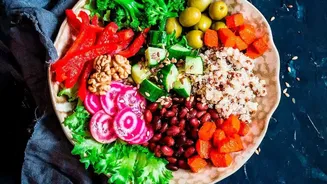
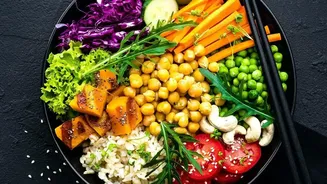
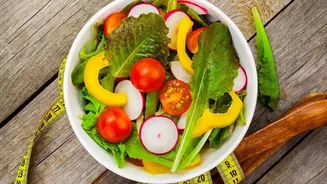
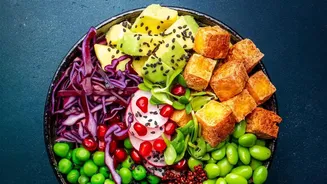
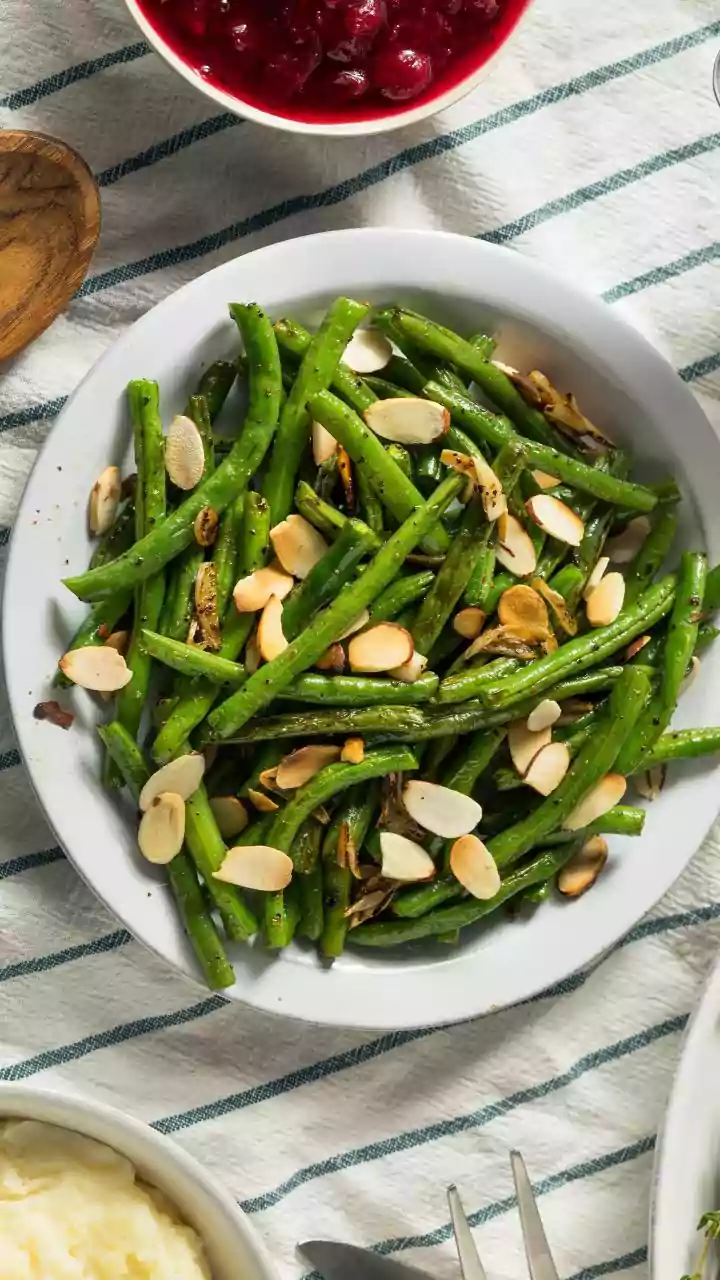
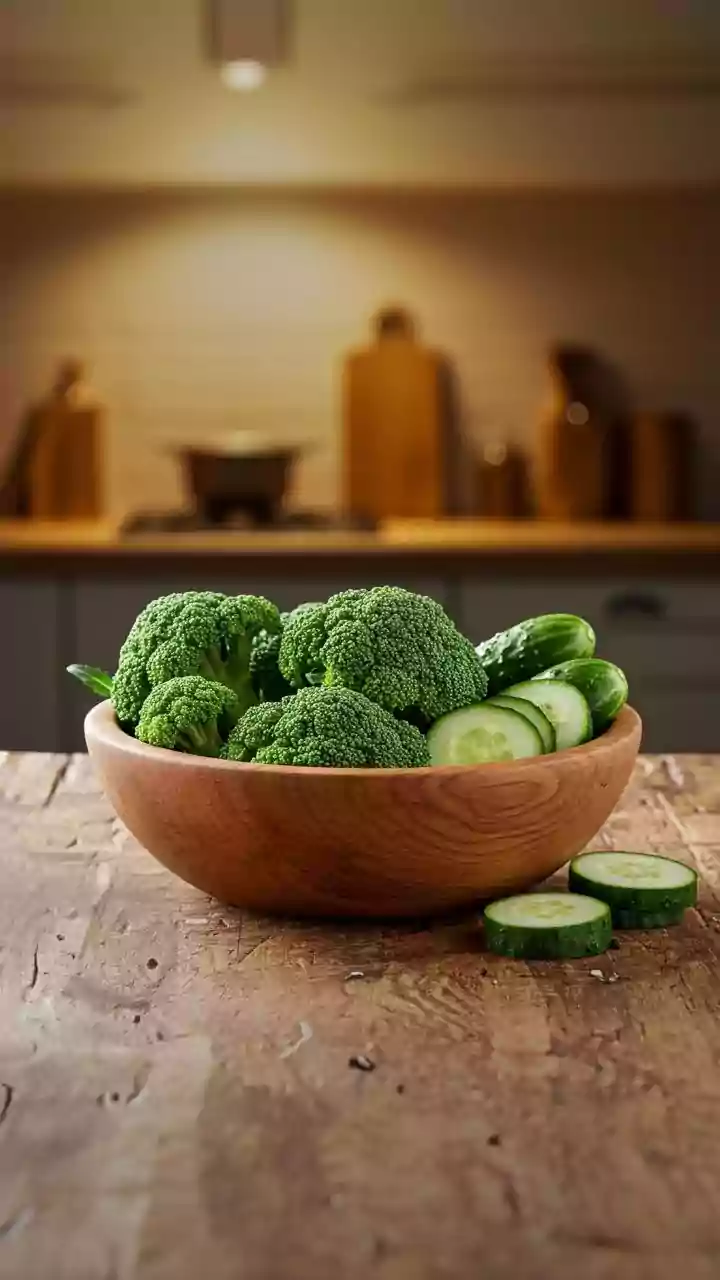
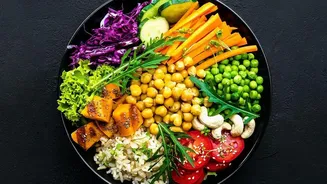
Once you've decided what you want to eat, think about how you compose your plate. A simple and effective guideline is the plate method. Aim to fill about half of your plate with vegetables or a salad. These are high in fibre and help you feel full and satisfied. Dedicate one quarter of your plate to a source of lean protein like dal, paneer, chicken, or fish, which also helps with satiety. The remaining quarter can be for carbohydrates such as rice, roti, or potatoes. This structure helps you get a balanced mix of nutrients without having to meticulously count calories, allowing you to enjoy the meal while still nourishing your body.
Savour Each Bite Mindfully
Mindful eating is the practice of being fully present with your food, and it can transform your experience of a celebratory meal. Instead of eating while distracted, take the time to sit down and truly savour your food. Pay attention to the smells, textures, and flavours of each bite. It's also helpful to eat slowly and put your fork down between bites. It takes about 20 minutes for your brain to register that you are full, so slowing down gives your body a chance to send those signals, helping to prevent overeating. By eating mindfully, you'll not only enjoy your food more but also become better at listening to your body's hunger and fullness cues.
Hydrate and Move Your Body
Staying hydrated is a simple but effective strategy. Sometimes our bodies mistake thirst for hunger, so drinking water throughout the day can help manage cravings. At a party, alternating alcoholic or sugary drinks with a glass of water can help limit empty calories and keep you hydrated. It's also beneficial to incorporate some light physical activity. Celebrations are about more than just food; they are about connection and joy. Suggesting a family walk after a big meal can aid digestion and become a lovely tradition in itself. Focusing on these other joyful aspects of the gathering helps to de-emphasise food as the main event.