





The New Government Mandate
The Maharashtra government has issued a directive to replace conventional oily and processed snacks with nutritious alternatives in all government and semi-government offices. This move is part of a broader strategy to combat the rise of lifestyle diseases
like diabetes, hypertension, and obesity by promoting healthier eating habits among employees. The change applies to canteens, meetings, training programmes, and official functions. New catering contracts will be required to include these healthy menu provisions, with inspection committees set up to ensure compliance.
What's On The New Menu?
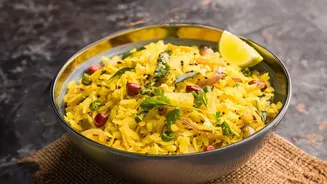
The new guidelines, based on recommendations from the Indian Council of Medical Research-National Institute of Nutrition (ICMR-NIN) and FSSAI, focus on fresh, local, and balanced foods. For short meetings, expect to see seasonal fruits, roasted or boiled chickpeas, sprouts, vegetable poha, idli-sambar, and boiled eggs. Beverages will include coconut water, buttermilk, solkadhi, and unsweetened green tea. For longer, full-day events, meals will feature jowar, bajra, or ragi bhakris, multigrain chapatis, brown rice, dal, usal (sprouted legume curry), and plenty of leafy vegetables, with fruits served instead of sugary sweets.
Embrace Millets and Whole Grains
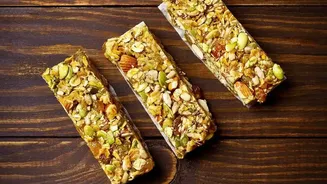
A key feature of the new menu is the prominence of millets, with dishes like millet khichdi and bhakris made from ragi, jowar, and bajra being encouraged. Millets are nutrient-dense, high in fibre, and have a low glycemic index, which helps in managing blood sugar levels and provides sustained energy. For your own office, swapping refined-flour biscuits and snacks for millet-based cookies, baked multigrain crackers, or a simple jowar popcorn can make a significant difference. These options keep you full for longer and prevent the dreaded post-snack energy slump.
Prioritise Fresh and Steamed Options
The government's directive moves away from fried items like pakodas and cutlets towards steamed and boiled alternatives. Think idli, steamed dhokla, or boiled pulses and sprouts. This principle is easy to adopt in any office. Instead of ordering fried snacks, consider keeping a stock of roasted chana, makhana (fox nuts), or mixed nuts and seeds. These provide a satisfying crunch without the unhealthy fats. Fresh seasonal fruits like bananas, apples, and guavas are also a simple, no-prep way to get a dose of vitamins and fibre.
Hydrate the Healthy Way
The Maharashtra government's new beverage list cuts down on sugary drinks and promotes healthier choices like buttermilk, coconut water, and unsweetened tea. This is a crucial, often overlooked, aspect of office wellness. Sugary sodas and coffees can lead to energy crashes. Encourage a workplace culture where water is the primary beverage. Infusing water with lemon, mint, or cucumber can make it more appealing. Keeping options like buttermilk (chaas) or low-sugar lemon water available can also satisfy cravings for something other than plain water.
Make it a Team Effort
The state government has advised departments to consult with employees about the new changes to foster a cooperative environment. This is a great takeaway for any workplace. To build a healthier food culture, get everyone involved. Create a shared pantry with healthy options, or organise a weekly fruit day where everyone contributes. When healthy choices are easily accessible and part of the team culture, it becomes much easier for individuals to make better decisions for their well-being.