








The bottle of water in your hand seems simple, but ensuring its purity is a complex process. An essential, yet often invisible, part of this is managing disinfection byproducts, chemical compounds that require constant vigilance from manufacturers.
What Are Disinfection Byproducts?
Disinfection
byproducts, or DBPs, are chemical compounds that form when a disinfectant like chlorine reacts with naturally occurring organic matter in source water. Think of them as the unintended side effects of a crucial process. Disinfection is non-negotiable; it eliminates harmful bacteria and viruses, a practice that has nearly eradicated waterborne diseases like cholera and typhoid fever. However, as the disinfectant does its job, it can also interact with traces of decaying leaves, algae, and other organic materials, creating new compounds in the process. The most common and regulated groups of these byproducts are trihalomethanes (THMs) and haloacetic acids (HAAs).
The Source of the Concern
The formation of DBPs is a delicate chemical dance influenced by several factors. The type and amount of organic matter in the source water is the primary driver; surface waters from rivers and lakes generally have more organic material than groundwater and thus a higher potential for DBP formation. Other factors include the specific disinfectant used, the water's temperature and pH level, and how long the disinfectant is in contact with the water. While essential for public health, long-term exposure to high levels of certain DBPs has been linked in some studies to potential health risks, which is why regulatory bodies worldwide set strict limits on their presence in drinking water.
India’s Regulatory Framework
In India, the quality of packaged drinking water is a serious business. The primary standard governing its quality is IS 14543, laid out by the Bureau of Indian Standards (BIS). This standard specifies the acceptable limits for a vast range of parameters, including physical characteristics, microbiological content, and chemical contaminants like DBPs. While the Food Safety and Standards Authority of India (FSSAI) previously mandated BIS certification, the rules were updated. As of January 1, 2026, manufacturers must adhere to a strict FSSAI Scheme of Testing and Inspection. This scheme reclassifies packaged water as a 'high-risk food category', requiring rigorous and frequent testing at accredited labs to ensure compliance.
Inside the Bottling Unit
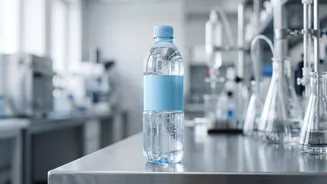
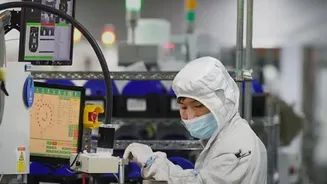
For bottling units, managing DBPs is a core part of their quality control protocol. It begins with carefully selecting and testing the source water to understand its organic load. During processing, water undergoes multiple stages of treatment, which can include reverse osmosis, activated carbon filtration, and UV disinfection, all of which help remove DBP precursors before the final disinfection step. Post-treatment, quality control teams conduct regular tests on finished water batches. They use sophisticated laboratory methods, such as gas chromatography and liquid chromatography, to precisely measure the levels of specific DBPs like THMs and HAAs, ensuring they remain well within the limits defined by IS 14543. These records are meticulously maintained for traceability.
Beyond Testing: Prevention is Key
The most effective strategy for controlling disinfection byproducts is to minimise their formation in the first place. Many modern bottling plants are designed with this principle in mind. One common approach is to use multi-stage filtration, such as activated carbon filters, which are excellent at removing the natural organic matter that serves as a precursor for DBPs. Some facilities also employ alternative or supplementary disinfection methods like ultraviolet (UV) light or ozonation. UV, for example, inactivates pathogens without using chemicals, thereby not creating DBPs, while ozonation is another powerful disinfectant. However, each method has its own complexities—ozone can create other byproducts like bromate if bromide is present in the water. Ultimately, it's a carefully balanced process of removing precursors and optimising disinfection to ensure the final product is both microbiologically safe and chemically pure.