






The Core Finding: A Boost for Brain Health
New research from Maastricht University in the Netherlands has delivered intriguing results for snack lovers. The study, published in the journal 'Clinical Nutrition', found that healthy older adults who ate 60 grams of unsalted, skin-roasted peanuts
daily for 16 weeks saw notable improvements. Specifically, they experienced a 5.8% increase in verbal memory and a 3.6% increase in global cerebral blood flow, which is the rate of blood delivery to the brain. This suggests that a regular peanut habit could enhance both vascular function in the brain and specific cognitive skills.
How the Study Was Conducted
This wasn't just a casual observation; it was a structured clinical trial. Researchers recruited 31 healthy adults between the ages of 60 and 75. The experiment was a 'crossover' trial, meaning each participant went through two phases: a 16-week period of eating about two servings (60g) of peanuts daily, and a 16-week control period of eating no peanuts. This design allowed researchers to compare each individual against themselves, strengthening the findings. The study used MRI scans to measure blood flow and specialized cognitive tests to evaluate memory, ensuring the results were quantifiable. Interestingly, participants also showed a decrease in systolic blood pressure.
Why Skin-Roasted Peanuts Matter
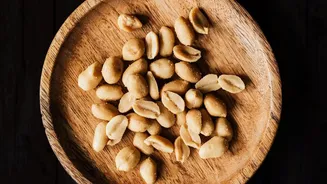
The choice of peanut was deliberate. The study specifically used peanuts with their thin, reddish skins intact because these skins are packed with beneficial compounds. Peanut skins are a rich source of polyphenols and antioxidants like resveratrol, which are known to have anti-inflammatory properties and support vascular health. While the peanut itself contains healthy unsaturated fats, protein, and L-arginine—an amino acid that helps relax blood vessels—the skin provides an extra dose of these powerful plant compounds. Researchers believe this combination of nutrients is key to the observed benefits for brain health and circulation.
More Than Just Memory
While the 5.8% boost in verbal memory was a key finding, it's important to note what else the study did and did not find. The improvements were specific to verbal memory tasks, like recalling words from a list. The researchers did not see significant changes in other areas like executive function or psychomotor speed. However, another analysis of the same study pointed to another interesting effect: improved insulin responsiveness in brain regions associated with memory, such as the hippocampus. Since insulin plays a role in helping brain cells communicate, this finding adds another layer to how peanuts might support cognitive processes.
The Bigger Picture: A Snack, Not a Silver Bullet
Experts are quick to put these findings in perspective. While promising, this was a small study involving only 31 people. Neurologists caution that these results do not mean peanuts can prevent or reverse conditions like Alzheimer's disease. Instead, the study adds to a growing body of evidence that supports the importance of overall dietary patterns for long-term brain health. Nutrients found in peanuts, such as niacin and Vitamin E, have long been associated with slower cognitive decline. Therefore, incorporating skin-on peanuts into a balanced diet—rich in fruits, vegetables, and other healthy foods—is a more realistic approach than relying on a single 'superfood' for brain protection.