






The Monsoon's Final Act
The four-month southwest monsoon season, which is the lifeblood of India's agricultural economy, is drawing to a close. However, the performance in September is often the most crucial. This month determines not just the fate of the standing kharif (fall)
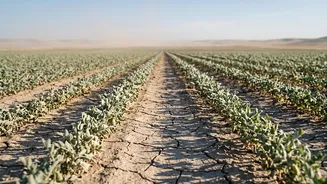
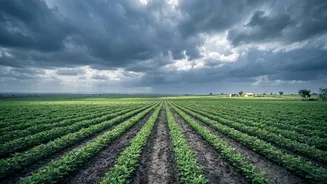
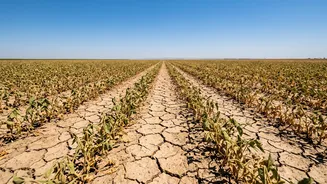
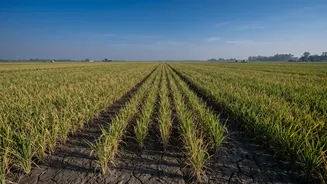
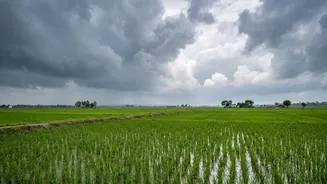
crops but also sets the stage for the upcoming rabi (winter) sowing season. According to the India Meteorological Department (IMD), the forecast for September 2026 suggests below-normal rainfall for the country as a whole, a trend influenced by strengthening El Niño conditions in the Pacific Ocean. While cumulative rainfall from June to August has already been below average, the final spell in September is critical. Too much rain can flood fields and damage maturing crops like pulses, while too little can wither them and, crucially, leave the soil without enough moisture for winter planting.
The Pulse Predicament
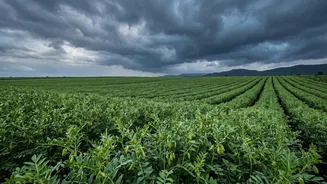
Pulses are a staple protein source in India, and their prices are highly sensitive to the monsoon's performance. The kharif pulse crops, such as tur (pigeon pea), moong, and urad, are in their final growth stage in September. An erratic final spell of rain can severely impact their yield. While sowing for these crops has been near normal levels despite a weak start to the monsoon, the lack of adequate precipitation during the harvest period could be reflected in the output. Furthermore, the amount of September rain is vital for the subsequent rabi season, which includes major pulse crops like chana (chickpea) and masoor (lentils). These crops depend on the moisture left in the soil by the retreating monsoon for sowing, which typically begins in October. A dry September could therefore create a double-whammy: a potentially lower kharif harvest followed by challenging conditions for rabi sowing, putting upward pressure on dal prices in the months ahead.
Why Your Vegetable Basket is Vulnerable
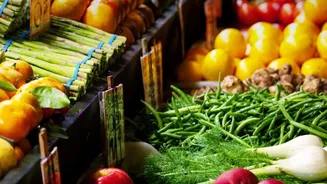
Vegetables are often the first to reflect changes in weather conditions due to their high perishability and short cultivation cycles. Unlike cereals, which can be stored, vegetables must move quickly from farm to market. Excessive rainfall in September can lead to waterlogged fields, damaging crops like tomatoes, onions, and leafy greens and disrupting their transportation to local mandis. This immediately tightens supply and can cause prices to spike within days. Conversely, a sudden dry spell and higher-than-normal temperatures, which are also forecast for parts of the country in September, can reduce yields and affect the quality of the produce. The prices of staples like onions and tomatoes are particularly watched, as their volatility has a significant and immediate impact on household budgets.
From Farm to Your Kitchen
The journey from a farm to your kitchen table is a complex chain, and weather is the first and most unpredictable link. A shortfall in harvest doesn't just mean less produce; it creates a ripple effect. Lower arrivals in wholesale markets lead to competition among buyers, pushing up mandi prices. This increase is then passed on through distributors and retailers to the end consumer. Even the expectation of a poor harvest can cause prices to rise as traders anticipate future shortages. While India has built resilience through buffer stocks of grains, the supply chain for perishables like vegetables and, to a lesser extent, pulses remains vulnerable to such shocks. A weak end to the monsoon, therefore, risks stoking food inflation just as the country heads into the festive season, a time when demand for food items naturally increases.