
The Science of Saffron's Scent
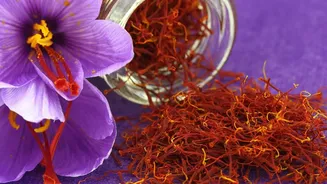
What gives saffron its distinctive warm, earthy, and slightly sweet aroma? The answer lies in its chemical makeup. The key compound is safranal, a volatile oil that isn't present in the fresh flower but is created during the drying process. As the hand-picked
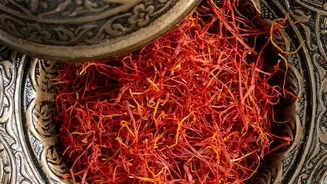
stigmas of the Crocus sativus flower are carefully dried, a bitter compound called picrocrocin breaks down and transforms into safranal. This transformation is crucial; it's what gives high-quality saffron its signature scent, often described as a mix of honey and hay. While another compound, crocin, provides the vibrant golden colour, it's the aroma from safranal that signals the spice's potency and complexity before it even touches your tongue. This delicate aroma is sensitive to heat and light, which is why proper storage in a cool, dark place is essential.
A Prized Ingredient in Indian Kitchens
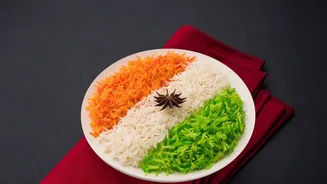
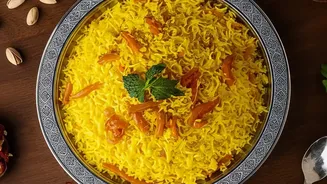
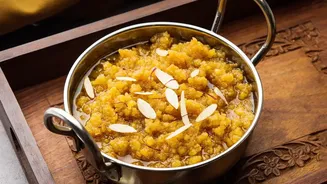
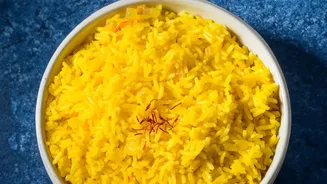
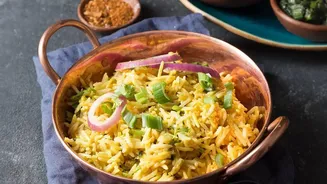
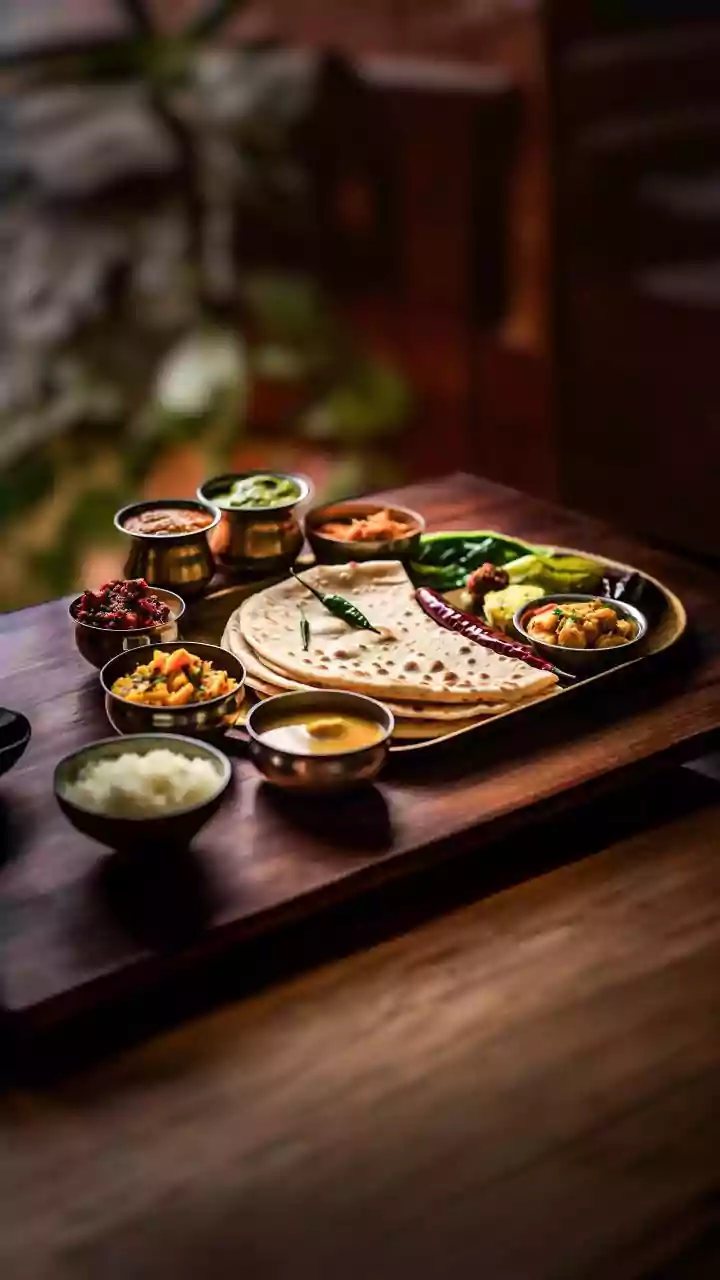
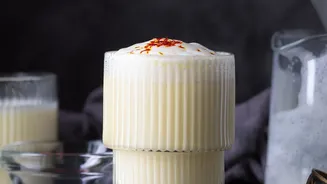
Saffron, or 'kesar', holds a place of honour in Indian cuisine, particularly in Mughlai and Kashmiri traditions. Its use signifies luxury, celebration, and artistry. In the royal kitchens of the Mughals, saffron was indispensable, used to perfume and colour rice dishes like Zafrani Pulao and biryani. The spice's ability to pair beautifully with dairy makes it a star in desserts. A few threads steeped in warm milk can transform a simple kheer (rice pudding), shrikhand (strained yogurt sweet), or kulfi (traditional ice cream) into a fragrant, golden delicacy. In Kashmir, the heartland of Indian saffron production, it is integral to local cuisine, featuring in the traditional tea known as Kahwa and savoury dishes like Yakhni, a yogurt-based mutton curry. The use is always deliberate and restrained; the goal is to elevate, not overwhelm.
The Art of Blooming Saffron
To get the most out of this precious spice, you must 'bloom' it. Simply tossing dry threads into a dish wastes much of their potential, resulting in uneven colour and weak aroma. Blooming is the process of steeping saffron in a warm liquid to release its colour and aromatic compounds. The classic method involves gently crushing a pinch of saffron threads, perhaps in a mortar and pestle, and soaking them in a few tablespoons of warm (not boiling) water or milk for at least 15-20 minutes. The liquid should turn a brilliant golden-orange. This infused liquid, along with the softened threads, is then added to your recipe, ensuring the flavour and aroma are distributed evenly throughout the dish. Excessive heat can destroy the delicate safranal, so never add threads directly to boiling liquid.
How to Spot Real Saffron
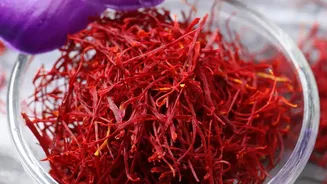
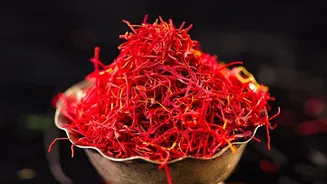
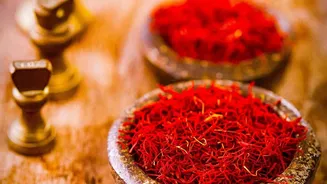
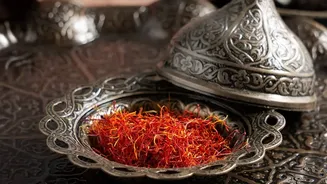
Given its high price, saffron is often a target for adulteration. Fake saffron can be anything from dyed corn silk to safflower threads. Luckily, there are a few simple tests to check for authenticity. First, examine the threads; real saffron threads are trumpet-shaped, thin at one end and flared at the other. Second, trust your nose. Genuine saffron has that unmistakable strong, hay-like aroma, while fakes often smell of nothing. The most reliable home test is the cold-water test. Drop a few threads into a glass of cold water. Real saffron will release its golden colour slowly, and the threads themselves will remain red. Fake saffron, on the other hand, will often bleed a red or bright orange dye almost immediately. Finally, taste it. A single thread of real saffron on the tongue will taste bitter, never sweet.