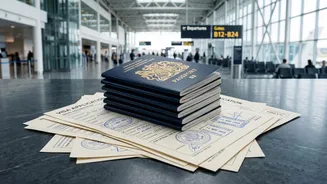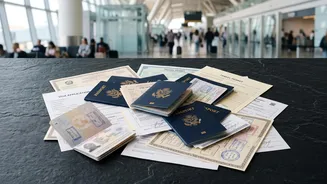








The desire for international travel is stronger than ever, but a significant and growing hurdle is stopping many trips before they even begin. Complex, confusing, and inconsistent entry requirements are cited as a major barrier for globetrotters.
The Growing Frustration of Global Travel
The dream
of an international holiday is once again a reality for many, yet a new report highlights a widespread frustration. According to the 2026 Global Passenger Survey by the International Air Transport Association (IATA), 43% of travellers have been discouraged from visiting a destination due to its immigration requirements. This represents a significant increase from 33% in 2025, showing that as travel rebounds, the administrative burden is becoming a more prominent issue. The survey, which collected responses from over 10,000 people across 200 countries, found that the primary reason for this deterrence wasn't cost or privacy concerns, but the sheer complexity of the process itself. Over half of the discouraged travellers (53%) pointed to complicated procedures as the main obstacle that made them reconsider their plans.
A Digital Maze of Visas and Forms
While the world moves towards digitalisation, the transition has created a confusing patchwork of rules rather than a streamlined system. More than 100 countries now offer e-Visas, but a lack of standardisation in how they are issued and verified creates headaches for travellers and airlines alike. Travellers often find themselves navigating a maze of official-looking websites, trying to distinguish legitimate government portals from fraudulent ones. The requirements themselves can be bewilderingly specific, from exacting photo dimensions to particular payment methods that may not be accessible to everyone. This digital disarray adds a layer of stress and uncertainty, with simple mistakes like a typo potentially leading to an automatic rejection. This issue is particularly pronounced in certain regions; a majority of surveyed passengers in Africa, for instance, reported being discouraged by immigration rules.
Why Is There No Universal Standard?
The lack of a single, global entry system stems from the fact that border control is a matter of national sovereignty. Each country sets its own rules based on security concerns, economic policies, and diplomatic relationships. Studies have shown that restrictive visa policies can reduce tourist arrivals by over 20%, impacting a nation's economy. Conversely, visa waiver agreements often lead to an immediate, if not always sustained, spike in tourism. In recent years, the implementation of new digital border systems, such as Europe's Entry/Exit System (EES) and the European Travel Information and Authorisation System (ETIAS), adds another layer of pre-travel authorisation, even for previously visa-exempt visitors. While designed to enhance security and efficiency in the long run, these new requirements contribute to the up-front complexity that travellers must navigate.
How to Navigate the Entry Gauntlet
Despite the challenges, planning an international trip doesn't have to end in frustration. The key is preparation and using the right resources. First and foremost, always source your information from official channels. Use the official government immigration or embassy website for the country you plan to visit. For a comprehensive overview, tools like the IATA Travel Centre provide up‐to‐date information on passport, visa, and health requirements for all destinations. One of the most common mistakes is underestimating processing times. Start your visa application process well in advance of your planned travel dates. Create a detailed checklist for each traveller and each destination, ensuring all documents are consistent and complete. Simple errors like mismatched names or applying for the wrong visa type are common reasons for rejection. For particularly complex itineraries or for countries known for stringent requirements, using a reputable and vetted travel agent can save both time and stress.