





The Science of a Safe Haven
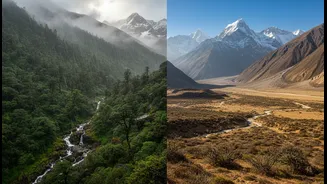
The secret to Ladakh and Spiti’s dry summer lies in a simple geographical phenomenon: the rain shadow effect. When the moisture-laden monsoon clouds, originating from the Indian Ocean, travel north, they are blocked by the immense Himalayan range. Forced
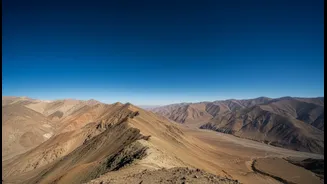
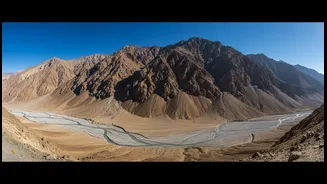
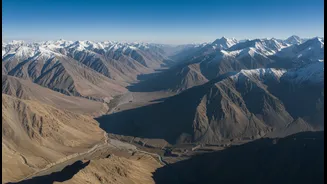
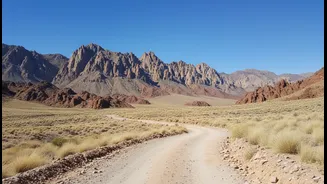
to ascend, these clouds cool and release all their rain and snow on the southern, windward side of the mountains, which includes states like Uttarakhand and Himachal Pradesh. By the time the winds cross over the towering peaks to the leeward side, where Ladakh and Spiti are located, they have lost almost all their moisture. This process turns the region into a high-altitude cold desert, which receives minimal rainfall—often less than 100mm annually—making it a uniquely safe bet during India’s intense monsoon season.
Ladakh: The Land of High Passes
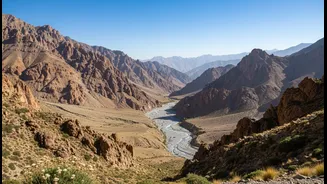
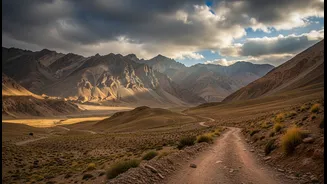
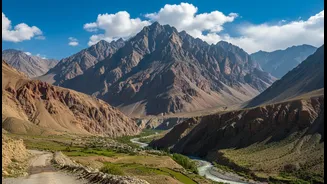
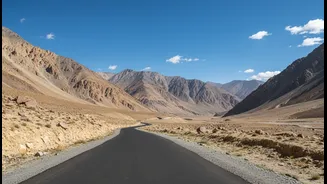
Often called 'Little Tibet', Ladakh transforms into a prime tourist destination from June to September. While other regions are waterlogged, Ladakh’s weather is marked by warm, sunny days and clear blue skies, with only occasional, short-lived showers. This favourable climate makes it the perfect window for exploring its dramatic landscapes. Most major attractions, including the stunning Pangong Tso, the high-altitude desert of Nubra Valley, and monasteries perched on cliffs, are fully accessible. The period is ideal for adventure activities like white-water rafting on the Indus and Zanskar rivers and embarking on famous treks such as the Markha Valley trail. While rainfall in Ladakh has seen a slight increase in recent years, it rarely involves the heavy, continuous downpours that cause disruptions elsewhere.
Spiti: A World Within a World
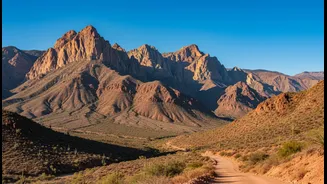
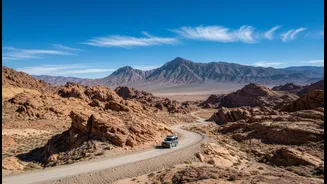
Like Ladakh, the Spiti Valley in Himachal Pradesh is also located in the Himalayan rain shadow, making it another excellent monsoon-season escape. However, Spiti offers a different flavour—it's more remote, rugged, and feels like a world preserved in time. The summer months are the best time to visit, as both road routes from Manali and Shimla are typically open. This is the season for exploring ancient Buddhist monasteries like Key and Tabo, staying in traditional village homestays, and camping under a canopy of stars at Chandratal, the 'Moon Lake'. While Spiti itself remains dry, travellers must be cautious. The approach roads, particularly the Manali route and parts of the Shimla route that are not in the rain shadow, can still be vulnerable to landslides and blockages caused by rains in the lower hills of Himachal.
Planning Your High-Altitude Escape
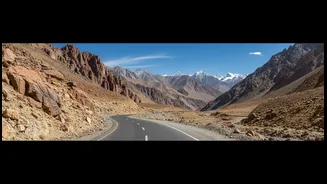
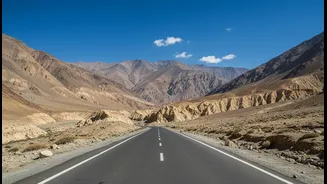
Travelling to these dry refuges requires some planning. While the destinations themselves are safe from monsoon deluges, getting there can present challenges. The highways leading to Ladakh from Manali and Srinagar can be affected by weather in the lower altitudes. For this reason, flying directly into Leh is often the most reliable option during peak monsoon. Once there, altitude acclimatisation is crucial and a bigger concern than rain. Always pack in layers, including light woollens for chilly evenings and good sun protection for the harsh high-altitude sun. It’s also wise to keep your itinerary flexible and stay updated on road conditions, especially if you are travelling by road to Spiti. Hiring an experienced local driver who understands the terrain is highly recommended.
More Than Just an Alternative
Choosing Ladakh or Spiti during the monsoon is not merely about escaping the rain; it's about experiencing these regions at their absolute best. The summer and monsoon months are when these cold deserts come alive. Valleys bloom with surprising greenery, local life is in full swing, and several important monastic festivals take place. For photographers, the dramatic play of clouds against the stark, barren mountains provides a stunning visual contrast. Clear night skies, free from city lights and monsoon cloud cover, offer unparalleled opportunities for stargazing and astrophotography. Rather than being a compromise, a trip to Ladakh or Spiti from July to September is a chance to witness these unique Himalayan kingdoms in their peak season.