
The Balcony Gardener's Dilemma
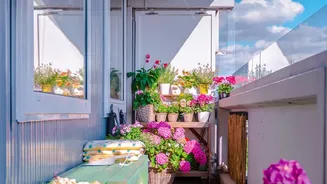
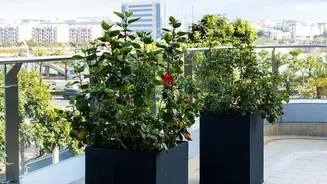
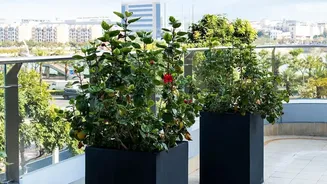
Balcony and rooftop container gardens face a unique and intense challenge: heat. Unlike gardens in the ground, pots are exposed on all sides, causing the soil to heat up and dry out with surprising speed. This is especially true on hot days, when sun
radiates off surfaces like decking, railings, and glass, creating a microclimate that is hostile to most plants. This leads to a constant, often daily, watering cycle. For the plants, this results in a stressful wet-dry fluctuation that can damage delicate feeder roots and inhibit growth. For the gardener, it means a demanding routine and the constant worry of plants drying out.
An Ancient Answer: What Is an Olla?
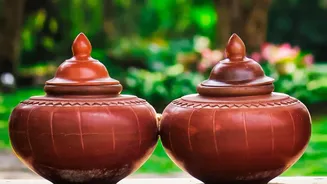
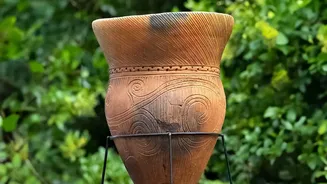
An olla (pronounced 'oh-ya') is simply an unglazed, porous terracotta pot that is buried in the soil and filled with water to irrigate plants. This method is not a new invention; it's an ancient technique used for over 4,000 years in arid regions around the world to grow crops efficiently. The principle is brilliantly simple: the olla acts as a subterranean reservoir, delivering water directly to the root zone where plants need it most. By burying the pot, water loss due to surface evaporation is almost entirely eliminated, making it an incredibly water-wise solution.
The Science of Slow-Seep Irrigation
Ollas work through a natural process called soil moisture tension. The walls of the unglazed clay pot are filled with microscopic pores. When the pot is filled with water and the surrounding soil is dry, the dry soil effectively 'pulls' moisture through these pores. It’s a self-regulating system. If the soil is already damp, such as after a rain shower, the water stays inside the olla. As the soil dries out, the pot releases more water. This ensures that the soil maintains a consistent level of moisture without ever becoming waterlogged or bone-dry, creating the perfect environment for healthy, dense root growth. Plant roots are naturally drawn to the moisture source, often forming a dense mat around the outside of the olla.
Perfect for Pots and Planters
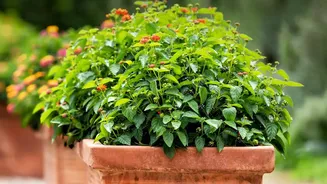
These same principles make ollas an ideal solution for the harsh conditions of a balcony garden. By delivering water below the surface, they counteract the intense evaporative effects of wind and reflected heat. This consistent, subsurface hydration protects delicate roots from the shock of drying out in a hot pot. It’s particularly beneficial for thirsty, fibrous-rooted plants like tomatoes, peppers, cucumbers, and most herbs, which thrive on steady moisture. For tomatoes, this steady watering can prevent common issues like blossom end rot and cracked fruit, which are often caused by the wet-dry cycles of surface watering. For a standard container under 24 inches wide, a single small olla placed in the center is usually sufficient.
How to Use Ollas in Your Balcony Garden
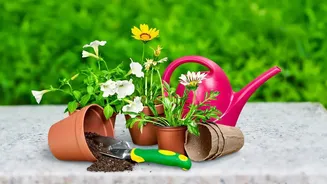
Getting started with an olla is straightforward. When potting your plants, dig a hole in the center of your container. Bury the olla so that only the neck or opening sits above the soil line. Gently pack the soil around it to ensure good contact and eliminate air pockets. Then, arrange your plants around the olla, placing the thirstiest ones closest. Fill the olla with water and cover the opening with a rock or a small, fitted lid. This crucial step prevents mosquitoes from breeding and minimizes evaporation. You’ll need to refill the olla every few days to a week, depending on the pot size, plant needs, and weather intensity. Just check the water level and top it up as needed.