






From Destinations to Experiences
The checklist-style of tourism—ticking off monuments and moving on—is slowly being replaced by a quest for deeper, more meaningful travel. Recent trends show that modern Indian travellers are increasingly seeking authentic experiences that offer personal
growth and a genuine connection to the places they visit. This has given rise to a new and exciting way to explore the country: integrated tourism circuits. Instead of choosing between a jungle safari, a historical tour, or a quiet village retreat, travellers can now enjoy all three in one thoughtfully planned trip. These journeys are designed not just to connect places, but to connect experiences, offering a holistic view of a region's character, culture, and natural beauty.
Government Push and Private Innovation
This shift is being championed by both government initiatives and private tour operators. The Ministry of Tourism's Swadesh Darshan scheme has been instrumental, identifying thematic routes like Wildlife, Heritage, and Rural Circuits to develop tourism infrastructure in a planned manner. The goal is to create world-class travel experiences that are sustainable and involve local communities. This has encouraged states and private companies to curate itineraries that go beyond the obvious. The development of new expressways and improved connectivity is also a major factor, making it easier than ever to travel between national parks, ancient cities, and remote villages in a single, smooth journey.
Madhya Pradesh: The Tiger's Heartbeat and Ancient Stones
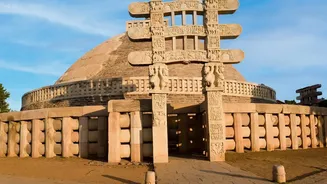
Madhya Pradesh is a perfect example of this new travel philosophy in action. Often called the 'Tiger State', it is home to renowned national parks like Kanha, Bandhavgarh, and Panna. New circuits now seamlessly connect the thrill of a tiger safari with the awe of exploring UNESCO World Heritage Sites. A popular route might start with tracking wildlife in Kanha National Park, the setting that inspired 'The Jungle Book', before heading to the magnificent temples of Khajuraho, famous for their intricate sculptures. Along the way, the journey might include a stop at the prehistoric rock shelters of Bhimbetka or the serene stupas of Sanchi. These itineraries thread together the state's rich biodiversity and its deep historical roots.
Karnataka: Ruins of an Empire and Coffee Country
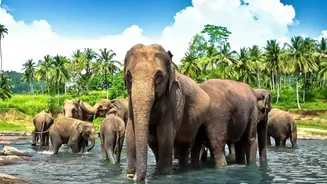
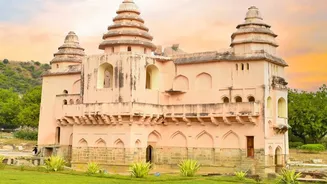
In the south, Karnataka offers another compelling combination of experiences. Travellers can begin their journey in the majestic ruins of Hampi, the erstwhile capital of the Vijayanagara Empire, where boulder-strewn landscapes are dotted with stunning temples and royal enclosures. From this historical wonderland, the journey can transition into the lush greenery of the Western Ghats. A few days can be spent exploring the rich biodiversity of Nagarhole National Park, with wildlife safaris offering chances to see elephants, deer, and diverse birdlife. The circuit is often rounded out with a stay in Coorg, where travellers can experience life on a coffee plantation, learn about the local Kodava culture, and enjoy the region's distinct cuisine. It is a journey that moves from ancient history to vibrant nature and local culture.
The Meaning of a Rural Stay
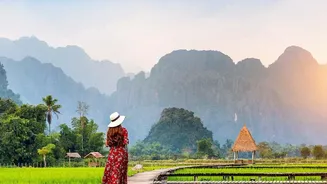
The 'rural experience' component in these circuits is about more than just a picturesque view. It represents a move towards conscious and community-focused travel. It could mean staying in a family-run homestay, sharing meals prepared with local ingredients, and gaining a firsthand understanding of a region's way of life. These experiences can include participating in craft workshops with local artisans, learning about traditional farming practices, or simply engaging in conversations that bridge cultural divides. This element adds a layer of authenticity and personal connection that a conventional hotel stay often cannot provide, creating more memorable and impactful travel stories.