


Defining the 'Swicy' Sensation
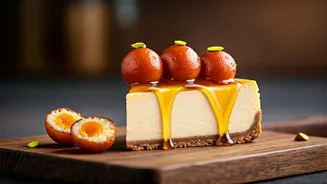
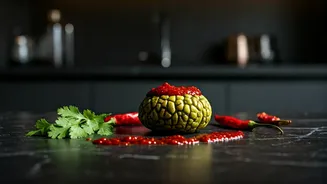
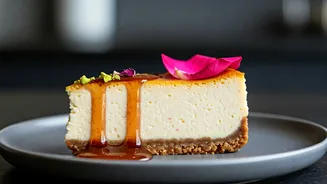
At its heart, ‘swicy’ is exactly what it sounds like: the marriage of sweet and spicy. But it’s more than just adding a dash of chilli to a sweet dish. The trend is about creating a complex, layered flavour profile where two seemingly opposite sensations
play off each other. Think of the slow, lingering heat of a chilli that’s immediately soothed by a wave of sweetness, creating a dynamic, almost addictive taste experience. It’s the difference between a simple sweet dish and one that makes you pause and say, “What is that? I need another bite.” This isn’t a new concept for the Indian palate, which has long celebrated the interplay of flavours in chaats and chutneys, but its modern, globalised incarnation is what’s turning heads.
The Science of Delicious Conflict
There's a reason this combination feels so compelling. The spiciness from capsaicin—the compound in chillies—triggers pain receptors in our mouth. In response, our brain releases endorphins, natural opioids that create a sense of mild euphoria or a ‘runner’s high’. Sugar, on the other hand, activates the brain's reward system directly. When you combine them, you get a one-two punch of pleasure. The sugar tempers the initial fiery shock of the spice, while the spice prevents the sweetness from becoming cloying or one-dimensional. This sensory seesaw keeps our taste buds engaged and curious, making the dish more memorable and craveable.
On the Indian Menu: From Hot Honey to Spicy Guava
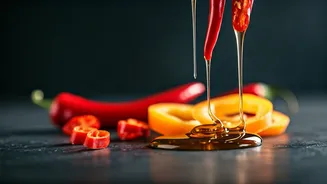
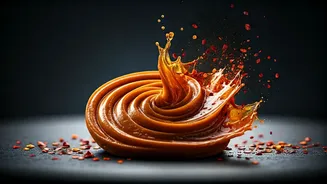
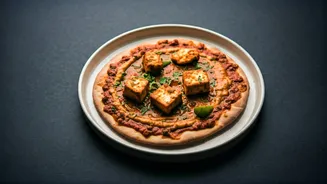
The swicy trend is exploding across India’s food scene. In urban cafes, you’ll find hot honey drizzled over everything from fried chicken and pepperoni pizzas to fluffy pancakes. This American import has found a firm footing, offering a sticky, sweet glaze with a surprising chilli finish. Dessert menus are also getting a fiery makeover, with dark chocolate tarts infused with a hint of Bhoot Jolokia or sea salt caramel ice cream swirled with spicy paprika. Even our beloved fruits are part of the trend, with street vendors and high-end restaurants alike serving up spicy guava slushies, mango sorbet with a sprinkle of red chilli powder, and pineapple slices grilled with a spicy-sweet glaze. It’s a testament to how adaptable and exciting this flavour combination can be.
Why Now? Global Palates and Social Media
Several factors are driving the swicy wave. Firstly, there’s the globalisation of taste. Indian diners are more exposed than ever to international cuisines—like Korean (gochujang), Thai (sweet chilli sauce), and Mexican (mole)—where sweet and spicy combinations are fundamental. As our palates become more adventurous, we seek out these complex flavours. Secondly, social media plays a huge role. ‘Swicy’ dishes are often visually striking, with glossy, colourful glazes and a sprinkle of chilli flakes that pop on an Instagram feed. The novelty factor also makes for viral content, from ‘hot honey’ challenges to taste tests of spicy snacks. Finally, the food industry itself is pushing the trend, with packaged goods companies launching everything from spicy-sweet potato chips to chilli-infused jams.
Is the Swicy Trend Here to Stay?
While food trends can be fleeting, ‘swicy’ seems to have real staying power, particularly in India. Our culinary history is already rich with sweet, sour, and spicy profiles, from the tamarind and jaggery in a classic sambar to the sweet and tangy chutneys served with samosas. This new wave isn’t introducing a foreign concept but rather reinterpreting a familiar one in a modern, exciting context. It taps into a desire for more than just a single flavour note; it speaks to a craving for experience and complexity on a plate. As chefs and home cooks continue to experiment, the sweet and spicy dynamic offers a nearly infinite canvas for creativity.