







The Hidden Cost of Your Holiday
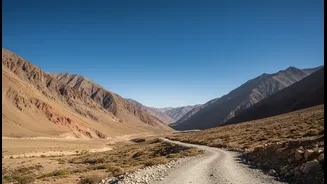
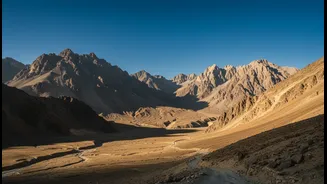
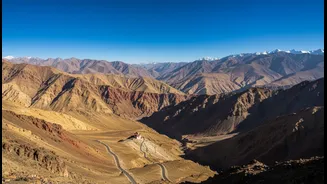
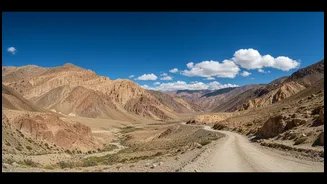
Popular tourist destinations are often hotspots for water stress. Places like Shimla and Ladakh in India, the Greek Islands, and parts of Spain are grappling with a growing imbalance where the demands of tourism outstrip the available water supply. In July
2026, several Greek islands declared a state of emergency due to prolonged drought, a situation made worse by the peak tourist season. This isn't a distant problem; it has led to cities like Shimla asking tourists to stay away during acute shortages. The issue is often one of governance and infrastructure, where a sudden surge in visitors overwhelms systems designed for a much smaller population, leading to inequitable water distribution between luxury resorts and local residents.
A Hotel’s Massive Water Footprint
A tourist's water consumption can be dramatically higher than a local's. A hotel can use an average of 1,500 litres per room per day, and in some destinations, a tourist may use up to eight or even sixteen times more water than a resident. This disparity is driven by hotel operations: daily laundering of towels and linens, maintaining lush, green landscaping in arid climates, and of course, filling swimming pools. In Europe, a hotel guest uses around 300 litres per night on average, more than double the daily use of an average resident. This immense footprint places a direct strain on local water resources, sometimes leading to conflict and environmental degradation.
What Does a Water-Wise Hotel Look Like?
A truly water-conscious hotel goes far beyond just asking guests to reuse their towels. These establishments invest in infrastructure and practices that fundamentally reduce their water footprint. Key features include rainwater harvesting systems, with some hotels in water-scarce regions even purchasing large tanks to capture and store this resource. Another critical technology is greywater recycling, where water from showers and sinks is treated and reused for non-potable purposes like flushing toilets or irrigation. You'll also find low-flow fixtures, such as showerheads and toilets, which are designed to reduce water use without sacrificing pressure. Outside, sustainable landscaping with drought-resistant native plants replaces thirsty lawns, and smart irrigation systems prevent waste. Some hotels are even aiming to become "water positive," a concept where they return more clean water to the environment than they consume.
Your Pre-Booking Sustainability Checklist
Making a responsible choice requires a little research before you click 'book'. First, check the hotel's website for a dedicated sustainability page. Look for transparency and data. Do they mention their water consumption or specific conservation targets? Second, look for credible third-party certifications like Green Key, LEED, or EarthCheck, which audit a hotel's environmental performance, including water management. Don't be afraid to ask direct questions. Before booking, send an email or call the hotel to ask about their specific water conservation practices, such as whether they use recycled greywater or have rainwater harvesting systems. Finally, consider hotels that offer alternatives to single-use plastic water bottles, such as providing reusable bottles and filtered water stations, which shows a deeper commitment to sustainability. By taking these steps, you send a clear message to the industry that water stewardship is a priority for travelers.