
What Exactly is Sugarcane Bagasse?
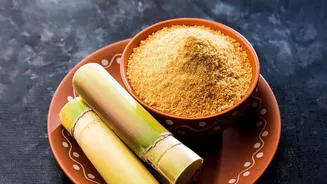
Sugarcane bagasse is the dry, pulpy fibrous residue that remains after sugarcane stalks are crushed to extract their juice for sugar production. For years, this byproduct was often treated as waste, sometimes burned for fuel in sugar mills. Today, however,
innovative manufacturing processes are transforming this agricultural residue into a valuable resource for eco-friendly food packaging. As a byproduct of India's massive sugar industry—the country generates between 100 to 135 million tonnes of bagasse annually—it represents a vast and renewable raw material source that doesn't require additional crops or land to produce.
From Agricultural Waste to Your Dinner Table
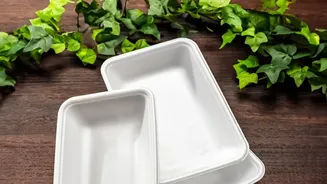
The transformation from fibrous waste to a sturdy food container is a relatively straightforward process. First, the collected bagasse is cleaned and turned into a pulp by mixing it with water to create a slurry. This pulp is then poured into molds of various shapes and sizes, such as bowls, plates, and clamshell containers. Using high heat and pressure, the molds simultaneously press and dry the pulp, evaporating the water and forming a lightweight yet durable product. The final items are trimmed and inspected for quality before being sent to restaurants and food service providers.
The Green Advantages Over Plastic
The environmental benefits of bagasse are significant. Unlike plastic, which can take hundreds of years to break down, bagasse packaging is fully biodegradable and compostable, capable of decomposing in as little as 30 to 90 days in the right composting conditions. This drastically reduces landfill waste and the risk of plastic pollution in oceans. Furthermore, the production process has a lower carbon footprint compared to petroleum-based plastics. The material is also non-toxic and free from harmful chemicals, ensuring food safety. Its natural properties make it resistant to grease and water, and it's safe for use in both microwaves and freezers, making it highly practical for food delivery.
The Rise of Bagasse in India
The adoption of bagasse packaging is rapidly accelerating across India, driven by a combination of government regulation, corporate sustainability goals, and growing consumer awareness. Stricter regulations and bans on single-use plastics have pushed businesses to find viable alternatives. Consequently, the market for bagasse packaging in India is projected to grow significantly, with some forecasts predicting it will reach USD 11.6 billion by 2031. Major food delivery platforms like Zomato and Swiggy are encouraging this shift, with Zomato even introducing a 'Low Plastic Packaging' filter to help users find restaurants using sustainable options like bagasse. This has created a strong incentive for restaurants, from large chains to local cloud kitchens, to make the switch.
Challenges and the Road Ahead
Despite its many advantages, bagasse is not a perfect solution without challenges. One significant hurdle is the need for proper disposal infrastructure. For bagasse to deliver its full environmental benefit, it must be sent to industrial composting facilities, which are not yet widely available across India. If it ends up in a landfill, it will decompose much more slowly. There can also be issues with supply chain consistency and the material's performance with very wet or oily foods over long periods compared to plastic. While the cost has become more competitive, it can still be 10-15% higher than traditional plastic, which can be a barrier for smaller businesses.