





The Technology That Unlocked the Till
The single biggest driver behind this shift is the arrival of simple, affordable payment technology. For years, accepting credit cards was a complex and expensive ordeal reserved for larger businesses. It involved clunky terminals, lengthy contracts,
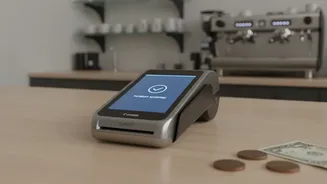
and a confusing mess of fees. Companies like Square and Stripe changed the game. They introduced small, often free, card readers that plug into a smartphone or tablet, turning a device already in the owner's pocket into a point-of-sale (POS) system. This accessibility democratized card payments, allowing a farmer at a market or a solo artist at a convention to accept plastic as easily as a major retailer. The pricing was also a breakthrough. Instead of complicated tiered structures, these services offered a predictable, flat-rate fee per transaction, such as 2.6% plus a few cents. This simplicity removed a massive barrier for small operators who needed to forecast their costs accurately.
Following the Customer's Wallet
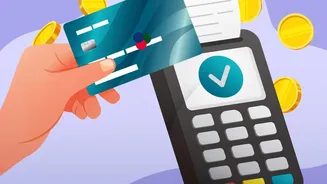
Businesses ultimately go where the customers are, and customers are increasingly leaving their cash at home. Studies show a consistent decline in the use of cash for everyday transactions, with debit and credit cards becoming the preferred payment methods for many Americans. Younger generations, in particular, are accustomed to the convenience of mobile wallets like Apple Pay and Google Pay. For a small business, not accepting digital payments means potentially losing a sale. If a customer craving a coffee or a unique craft item doesn't have enough cash on hand, the ability to tap their phone or card can be the difference between a transaction and a walk-away. This convenience often leads to higher spending, as customers aren't limited by the bills in their wallet and may be incentivized by credit card reward points.
The Hidden Burdens of Handling Cash
While credit card transactions come with fees, handling cash has its own set of hidden costs and risks. Cash management is time-consuming. Employees spend valuable time counting money, preparing bank deposits, and managing the cash drawer at the start and end of shifts. This is time that could be spent serving customers or improving the business. Security is another major concern. A business with a lot of cash on-site is a more attractive target for theft, both from external robberies and internal employee misconduct. Digital transactions, on the other hand, create a secure and traceable record of every sale, reducing the risk of loss and simplifying accounting. Eliminating manual cash handling also reduces the chance of human error, like giving incorrect change during a busy rush.
Not a Perfect System: The Downsides of Digital
Despite the benefits, moving away from cash isn't a flawless solution. The most obvious drawback is the cost. Transaction fees, typically ranging from 1.5% to 3.5%, can significantly eat into the slim profit margins of a small business, especially on small-ticket items. These fees are a complex mix of charges from the card-issuing bank, the card network (like Visa or Mastercard), and the payment processor itself. Beyond fees, there's a reliance on technology. A dead phone battery, a spotty internet connection, or a network outage can bring sales to a complete halt. Furthermore, a completely cashless model risks excluding certain customers. Millions of Americans are "unbanked" or "underbanked," meaning they do not have a traditional bank account or credit card and rely on cash for their daily lives. Older individuals, lower-income households, and some immigrant communities can be disproportionately affected by a digital-only approach.