








The Rise of the Untethered Traveller
A quiet revolution is unfolding across India’s vast and varied landscapes. Fuelled by a desire for authentic experiences and a rejection of crowded tourist traps, a new generation is redefining the great Indian road trip. They crave freedom, not just
from city life, but from the grid itself. They want to explore the remote corners of Spiti, the hidden beaches of the Konkan coast, and the dense forests of the Western Ghats on their own terms. The key to unlocking this modern form of nomadic freedom? The humble, yet powerful, portable solar panel.
How Portable Solar Works
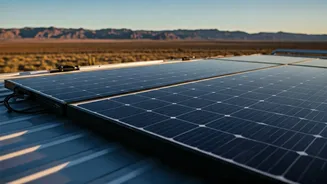
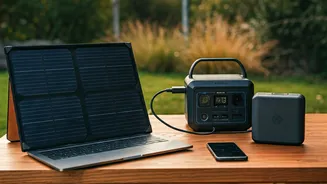
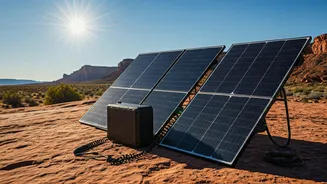
This isn’t the same as the large, rigid panels you see on rooftops. Portable solar technology is designed for life on the move. Typically, a setup consists of two main components: a foldable solar panel and a portable power station. The panel, made of photovoltaic cells, captures sunlight and converts it into DC electricity. This electricity is then stored in the power station, which is essentially a large, intelligent battery pack with multiple outlets (AC, DC, USB). You can then use this stored energy to charge everything from your smartphone and camera batteries to your laptop and even a small portable fan or fridge. It's a self-contained, silent, and clean power source for the modern explorer.
Unlocking True Off-Grid Freedom
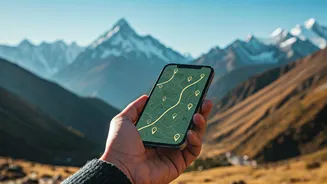
The practical benefits are immense. No more hunting for a dhaba with a working charging point or cutting a day short to head back to a hotel for electricity. For digital nomads, content creators, and vloggers, this is a game-changer. It means you can work, edit photos, and upload content from literally anywhere the road takes you. It provides a reliable power source for essential safety gear like GPS devices and emergency lights. But beyond the practical, it’s about a feeling of self-sufficiency. It’s the confidence of knowing that as long as you have sunlight, you have power. This independence allows for deeper immersion in nature without sacrificing the modern tools we use to navigate, document, and share our journeys.
Choosing Your Solar Companion
Diving into the world of portable solar can feel daunting, but it's simpler than it seems. The first thing to consider is your power needs. A smaller 50-100 watt panel paired with a modest power station is perfect for charging phones, cameras, and headphones. If you plan to power a laptop or a small cooler, you’ll want to look at a 100-200 watt panel and a power station with a larger battery capacity (measured in watt-hours, or Wh). In India, foldable panels and power stations are increasingly available online, with prices for a basic, reliable setup starting from around ₹20,000 to ₹30,000 and going up from there. Look for durability, weather resistance (especially for monsoon trips!), and portability. A lightweight, foldable design is well worth the investment for anyone serious about off-grid travel.
More Than Just a Gadget
While the technology is impressive, its real value lies in the mindset it enables. Opting for solar power on the road is a conscious choice towards more sustainable and responsible tourism. It reduces your reliance on fossil-fuel-powered generators or the electrical infrastructure of fragile ecosystems. It encourages a slower, more mindful pace of travel, where you’re more connected to the rhythms of nature—like paying attention to the sun's position to get the best charge. This small piece of gear empowers a generation to not just see the country, but to do so in a way that respects its beauty and fragility.