




The Toll of Total Connectivity
Generation Z, the first to grow up entirely in the digital age, is uniquely positioned to understand the downside of being 'always on'. Many report experiencing digital fatigue, a state of mental and physical exhaustion from excessive screen time. Studies
have linked this constant connectivity to increased stress, anxiety, sleep disruption, and a feeling of being perpetually overwhelmed. According to a 2025 Harris Poll, a staggering 81% of Gen Z wish they could disconnect more easily. It’s not just a feeling; they've even coined terms like 'brain rot' to describe the mental fog that comes from constant scrolling. This burnout isn't just about too much screen time; it’s about the erosion of meaningful connection in a sea of disposable, low-stakes interactions.
An Analog Rebellion
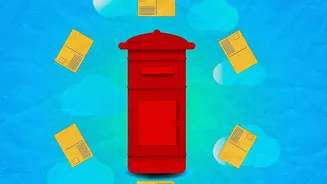
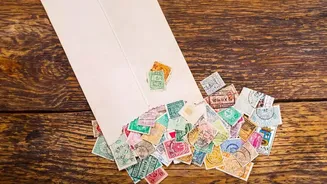
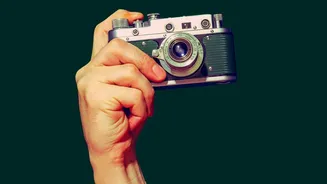
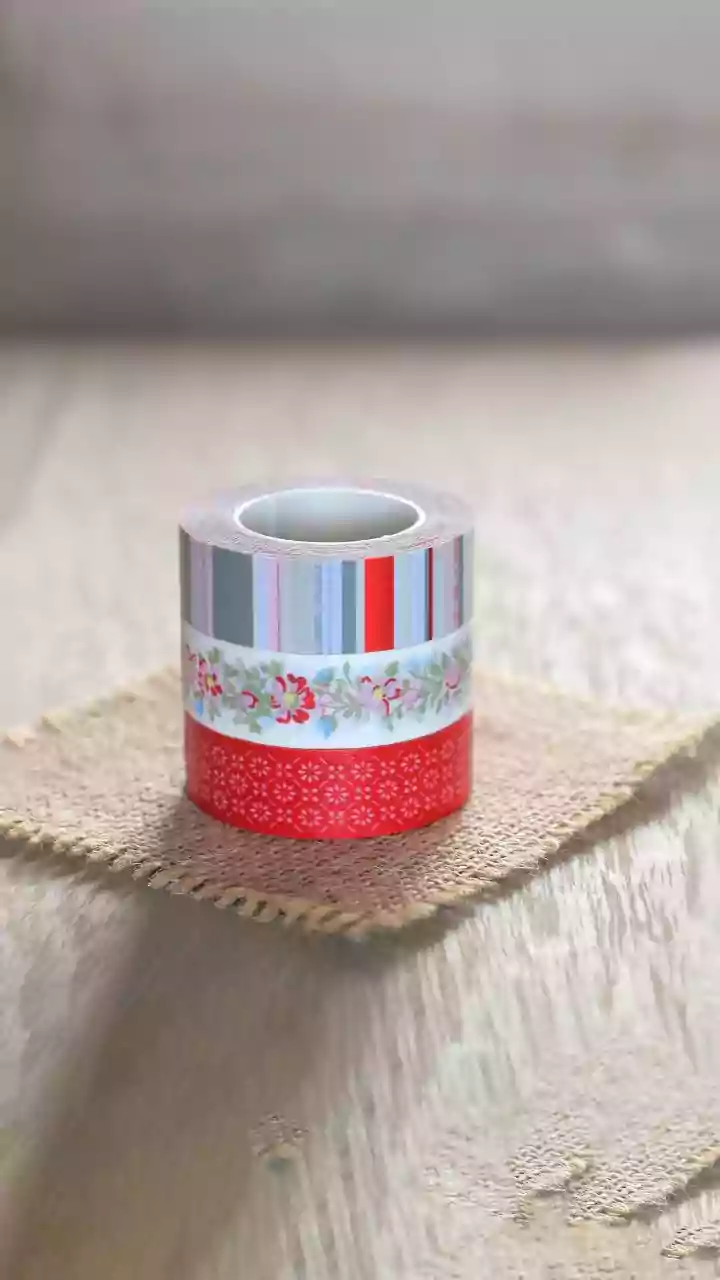
In response, a quiet rebellion is taking place. This generation is leading a surprising revival of analog hobbies, from film photography to vinyl records and, most notably, snail mail. Pinterest Predicts for 2026 called it a “letter-writing renaissance,” with searches for terms like “pen pal letters” and “cute stamps” surging. It's a tangible pushback against a world that has commoditized their attention. Snail mail clubs are booming, with some creators seeing waitlists in the thousands for monthly packages containing everything from handwritten notes and art prints to stickers and DIY crafts. This isn't just about nostalgia for a time they never knew; it's a deliberate choice to seek out slower, more intentional forms of communication.
The Psychology of the Postage Stamp
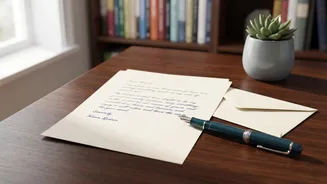
What makes a physical letter so powerful in 2026? It's about what digital communication lacks. A handwritten letter is an act of intention. The time it takes to choose paper, formulate thoughts without a backspace key, and physically mail it conveys a level of care and importance that an instant message cannot. Handwriting itself is deeply personal, carrying emotional weight and a sense of the writer's unique identity in a way standardized fonts can't. This creates a more intimate and private connection, existing outside the algorithms and data surveillance that govern digital spaces. Receiving a letter is a multi-sensory experience, a tangible keepsake in a world of disappearing messages.
More Than Just a Retro Fad
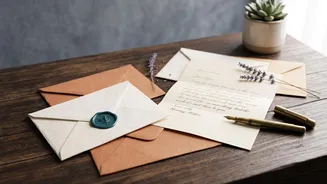
While the aesthetic of wax seals and vintage stamps is part of the appeal, the trend runs deeper than a fleeting 'cottagecore' fantasy. It’s a response to the curated perfection of social media. A letter can be messy, with crossed-out words and doodles in the margins—proof of a real human, not a filtered avatar. It’s also about ownership. A letter is a physical object that can be kept and cherished, unlike a DM that can be deleted or lost in a server migration. It represents a desire for fewer, more meaningful interactions over the constant, shallow contact fostered by many social platforms. The goal isn't to replace technology, but to complement it with a slower, more deliberate layer of connection.
A Sustainable Practice, Not a Total Replacement
Let's be realistic: snail mail is not going to overthrow the dominance of digital communication. The convenience of texting and email is undeniable. Instead, letter writing is emerging as a complementary practice—a form of self-care and a tool for building deeper friendships. It offers a chance to reset a brain accustomed to constant task-switching and engage in the focused, single-task activity of writing. It's about finding a healthier balance, reducing screen time, and reclaiming a sense of privacy and authenticity. The rise of snail mail is less about rejecting the future and more about intentionally bringing the best parts of the past into the present to create a more humane digital existence.