






Sugar vs. Honey: A Look at Composition
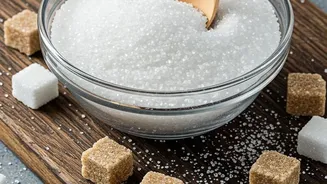
At a basic chemical level, honey and table sugar are more alike than different. Both are composed of two simple sugars: glucose and fructose. Table sugar, or sucrose, is a simple molecule where one glucose and one fructose are chemically bonded together.
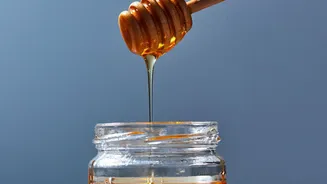
Our bodies must break this bond during digestion. Honey, on the other hand, is a mix of separate glucose and fructose molecules (roughly 30% and 40% respectively), plus water and small amounts of other compounds. This difference in structure means our bodies handle them slightly differently from the start. While sugar is pure sucrose with no other nutrients, honey contains trace amounts of vitamins, minerals, enzymes, and antioxidants.
The Glycemic Index: A Key Difference
The Glycemic Index (GI) is a scale that ranks how quickly a carbohydrate-containing food raises blood glucose levels. Pure glucose has a GI of 100. Table sugar (sucrose) typically has a GI of around 65. Honey's GI is generally lower, but it varies widely depending on the type of flower nectar it comes from, ranging from as low as 45 to over 75. On average, honey's GI is often cited as being around 58. This means that for the same amount, honey tends to raise blood sugar levels a bit more slowly than table sugar. The reason is partly due to honey's higher concentration of fructose, which has a smaller initial impact on blood glucose because it's metabolized differently in the liver.
Calories and Sweetness
On a per-spoon basis, honey is more calorically dense than sugar. A tablespoon of honey contains about 64 calories, whereas a tablespoon of granulated sugar has about 49 calories. This is mainly because honey is denser. However, honey is also sweeter than sugar, primarily due to its higher fructose content. This means you might be able to use less honey to achieve the same level of sweetness, which could potentially offset the higher calorie count per serving. But if you swap them in equal amounts, you will consume more calories with honey.
Beyond the Sugar Spike: Other Health Factors
This is where honey pulls ahead, albeit slightly. Unlike refined sugar which provides 'empty calories' with no nutritional benefits, raw honey contains beneficial compounds. It is a source of antioxidants like flavonoids and phenolic acids, which can help combat cellular damage in the body. Some studies also point to honey's natural antimicrobial properties. However, it's crucial to note that the amounts of these beneficial nutrients are very small. You would need to consume a large, and unhealthy, amount of honey to get a significant dose of these nutrients. Furthermore, much of the commercially available honey is processed with heat, which can destroy some of these delicate enzymes and compounds.
The Verdict for Everyday Health
For the average person, the choice between honey and sugar is not as clear-cut as it might seem. While honey does have a slightly lower glycemic index and contains some antioxidants, both sweeteners are ultimately sources of sugar that can spike blood glucose levels. Health bodies advise that sugars like honey should be consumed in moderation. For individuals managing diabetes, there is generally no significant advantage in substituting sugar with honey, as both will affect blood sugar. The most important factor remains the total amount consumed. Swapping sugar for honey is not a free pass to indulge; both contribute to your daily added sugar intake.