





The Mashup We Didn't Know We Needed
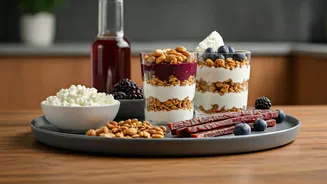
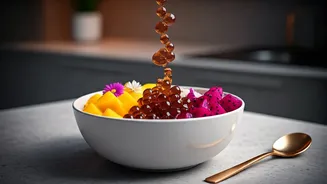
Picture this: a creamy, thick base of Greek yogurt or a plant-based alternative, swirled in a bowl and topped with vibrant fresh fruit, crunchy granola, and a generous scoop of… chewy boba pearls. This is the boba protein bowl, a culinary creation that
seems custom-made for an Instagram feed. Originating in tech-savvy, trend-setting locales like Southern California, this dish is the brainchild of innovative tea shops looking to expand their menus beyond drinks. Shops like Sunright Tea Studio have been credited with popularizing the concept, transforming the standard yogurt parfait into something far more exciting and texturally interesting. It’s the kind of item that makes you do a double-take. Is it breakfast? A dessert? A post-workout snack? The answer, it seems, is all of the above. The trend has exploded on platforms like TikTok and Instagram, where users share videos of themselves scooping up the perfect bite, the glossy, dark boba pearls contrasting with the bright colors of mango, strawberries, and blueberries.
Where Health Meets Hype
The appeal of the boba protein bowl lies in its brilliant positioning at the crossroads of health and indulgence. For years, wellness culture has championed protein as the key to satiety and muscle repair, making protein bowls and yogurt parfaits a go-to for the fitness-conscious. At the same time, boba tea has maintained its reign as a beloved, fun, and often sugary treat. By combining the two, this trend offers a sense of permissible indulgence. It feels like you’re making a healthy choice without sacrificing the fun and flavor you’re craving. It’s a psychological win. You get the virtuous feeling of eating a protein-rich meal, but with the playful, satisfying chew of tapioca pearls that you’d normally find in a sweet, milky tea. This clever framing allows it to appeal to a broad audience: gym-goers looking for a new snack, boba lovers wanting to try something different, and anyone searching for a dessert that doesn't feel like a total nutritional splurge.
But Is It a Health Food?
This is the million-dollar question. The answer is nuanced. On one hand, the foundation of these bowls is genuinely nutritious. A base of Greek yogurt provides a hefty dose of protein and probiotics. Fresh fruit offers vitamins, fiber, and natural sweetness. A sprinkle of granola can add whole grains and more fiber. These are all components of a balanced snack or light meal. The wild card, of course, is the boba. Traditional tapioca pearls are made from cassava starch and are typically soaked in a brown sugar syrup to give them their signature sweet flavor and dark color. A single serving of these pearls can pack a significant sugar punch, often equivalent to several teaspoons of sugar before they even hit a sweetened tea. So, while the bowl has a healthy halo, it’s best viewed as a “better-for-you” treat rather than a hardcore health food. It's a significant upgrade from a sugary pastry or a standard ice cream sundae, but it’s not quite on the same level as a plain bowl of yogurt and berries. It’s about managing expectations and enjoying it for what it is: a fun, satisfying, and relatively balanced way to tackle a sweet craving.
A Textural Adventure in a Bowl
Beyond the health debate, what truly makes the boba protein bowl a viral sensation is the eating experience itself. Food trends are increasingly driven by texture, and this dish is a masterclass in it. You get the cool, velvety smoothness of the yogurt, the crisp bite of fresh fruit, the hearty crunch of granola, and then—the star of the show—the delightfully chewy, bouncy resistance of the boba pearls. Each spoonful offers a different combination of sensations. It’s this textural dynamism that keeps the bowl from being boring. It engages the senses in a way a simple yogurt parfait can’t. For many, the joy is in the surprise of finding a soft, sweet pearl hidden beneath a cluster of granola or a slice of strawberry. It turns a simple snack into a small adventure, which is precisely the kind of novelty that thrives in today's food culture.