




The High-Altitude Digital Boom
In recent years, Ladakh has transformed from a remote adventure destination into a viable hub for digital nomads. The primary driver for this shift has been a significant upgrade in its digital infrastructure. Once a region with patchy signals, major
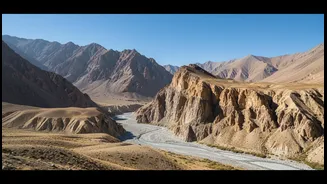
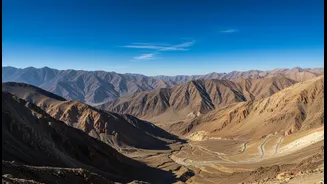
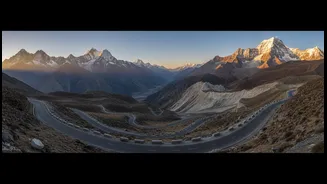
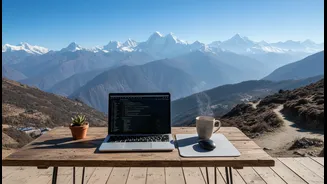
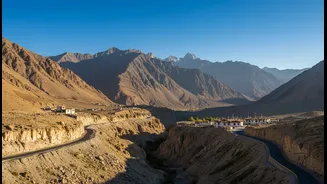
towns like Leh and Kargil now boast increasingly reliable connectivity. Postpaid services from providers like Jio and Airtel have rolled out extensive 4G and even 5G networks in these areas. In Leh, the heart of this transformation, fibre optic broadband is available in many hotels, guesthouses, and a growing number of cafes, offering speeds sufficient for video conferencing and large file transfers. This newfound connectivity allows professionals to meet deadlines against a backdrop of stunning mountain scenery, a combination that proves irresistible for those looking to escape the urban grind.
The Weather Advantage: A Monsoon-Proof Haven
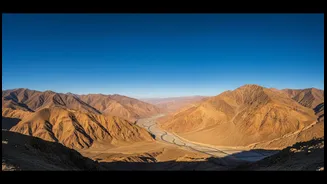
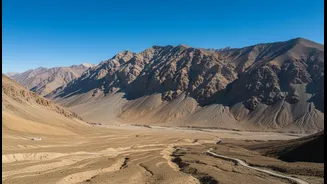
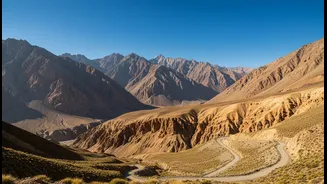
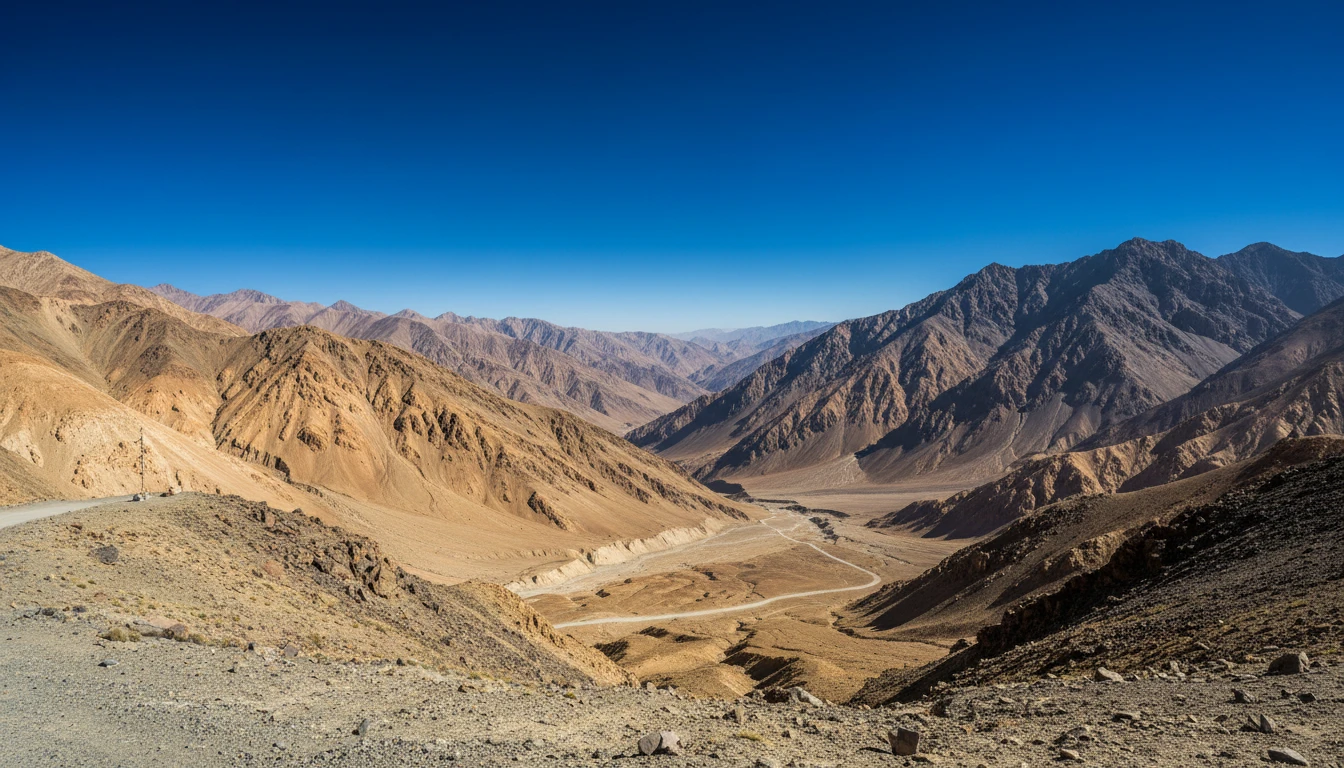
A key reason professionals favour Ladakh, especially between June and September, is its unique climate. Located in the rain-shadow of the Himalayas, Ladakh is a high-altitude cold desert that does not experience the heavy monsoon season that plagues other Indian hill stations. While destinations in Himachal Pradesh or Uttarakhand face the risk of landslides and travel disruptions due to incessant rain, Ladakh remains mostly dry and accessible. This makes it a more reliable choice for those who need to plan their work and travel without factoring in storm-related blockages during these months. However, it's not entirely without challenges. The winter months, from November to April, bring extreme cold and heavy snowfall that can close major road arteries and cause flight cancellations, making it a destination with distinct seasonal advantages.
An Ecosystem for the Modern Professional
Beyond just a SIM card that works, a true remote work destination needs a supportive ecosystem, and Leh is rapidly building one. The town is now dotted with Wi-Fi-enabled cafes that have become unofficial co-working spots for travellers. Hostels like Zostel and LeHostel actively cater to digital nomads, advertising strong Wi-Fi and common areas designed for working. For those seeking a more formal setup, dedicated co-working spaces are also beginning to emerge, offering stable internet, power backups, and a quiet environment. This infrastructure signals a shift from Ladakh being just a tourist spot to a place where one can sustainably live and work for extended periods. This growing community of like-minded professionals also provides valuable networking opportunities.
Beyond the Wi-Fi Signal
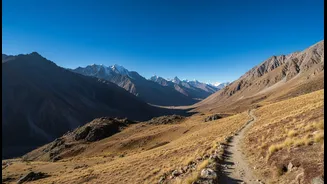
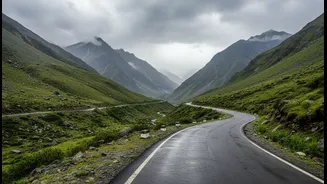
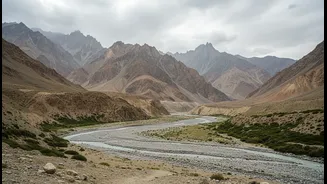
While connectivity is a crucial enabler, the true appeal of Ladakh lies beyond the practicalities of remote work. Professionals are drawn to the unparalleled quality of life. The opportunity to step away from a laptop and embark on a trek, visit ancient monasteries, or simply breathe in the crisp mountain air is a powerful antidote to corporate burnout. The region's distinct culture, serene landscapes, and opportunities for adventure provide a holistic experience that enriches the work-life balance. It is this unique blend—the ability to stay digitally connected while being physically and mentally disconnected in a profound way—that makes Ladakh a compelling choice. The productivity boost from working in a tranquil, inspiring environment is a benefit that no urban office can replicate.