




Egypt’s Enduring Influence
When we think of ancient beauty, it’s hard not to picture Cleopatra. The legendary queen of Egypt was famous for her elaborate rituals, many of which hold up to modern scrutiny. Her most iconic secret was bathing in milk and honey. While it sounds decadent,
the science is sound: milk contains lactic acid, a natural alpha-hydroxy acid (AHA) that gently exfoliates the skin, leaving it smooth and bright. Honey acts as a natural humectant, drawing moisture into the skin, and has antibacterial properties. This ancient spa treatment is echoed in today's market, where cleansers and lotions formulated with lactic acid are prized for their gentle exfoliating effects. Cleopatra was also known for her dramatic kohl eyeliner, which created the iconic 'cat-eye' look. Made from grinding the mineral galena, it was both a cosmetic statement and believed to offer protection. This ancient practice demonstrates a sophisticated understanding of both aesthetics and ingredient properties that continues to influence beauty today.
The Wisdom of Indian Royalty
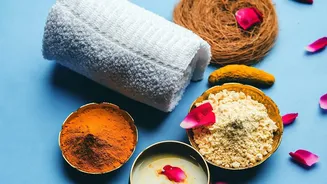
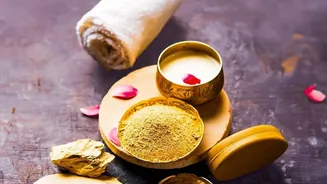
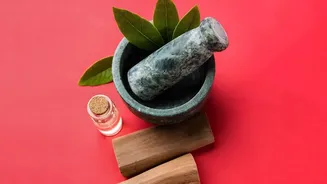
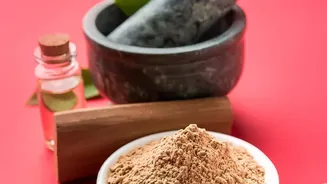
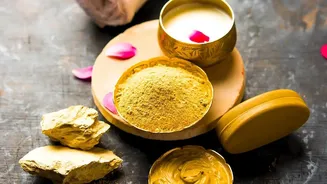
For centuries, Indian queens and royal households relied on Ayurvedic principles for their beauty routines, creating holistic treatments that nourished the skin from within. A cornerstone of this tradition is 'ubtan', a paste made from ingredients like turmeric, chickpea flour, sandalwood, and rose water. Used for generations, especially by brides before their wedding, ubtan is a natural exfoliant that brightens the skin, reduces inflammation, and leaves a radiant glow. Turmeric, with its powerful anti-inflammatory and antioxidant properties, is a key component. Sandalwood is known for its cooling and soothing effects. The modern beauty world has fully embraced this wisdom; 'clean' and botanical-based brands frequently feature turmeric and sandalwood in face masks, cleansers, and serums, celebrating their ability to purify and calm the skin. Mughal royals like Empress Nur Jahan were also known for popularizing the use of rose water for its toning benefits.
Secrets from the Imperial Court of China
In ancient China, empresses and court ladies developed sophisticated beauty rituals focused on achieving a flawless, luminous complexion. Two of the most enduring practices that have found widespread modern fame are the use of pearl powder and jade rollers. Empress Wu Zetian of the Tang Dynasty was said to use pearl powder mixed with egg white to maintain her famously clear skin. Taken internally and applied topically, pearl powder was believed to lighten the skin, reduce spots, and provide minerals that promote a youthful appearance. Today, pearl powder is found in high-end finishing powders and skincare for its purported brightening effects. Similarly, the jade roller, said to be a favourite of Empress Dowager Cixi, has become a staple in modern beauty kits. The practice of gently rolling the cool stone across the face is believed to reduce puffiness, improve blood circulation, and help skincare products absorb more effectively. While scientific backing is debated, its popularity speaks to a desire for mindful, calming beauty rituals.
Why We Still Look to the Past
The resurgence of these ancient rituals isn't just a fleeting trend. In a market saturated with complex chemical formulas and high-tech devices, there is a growing desire for authenticity and simplicity. These time-tested practices offer a connection to nature and a sense of holistic wellness that goes beyond surface-level aesthetics. They represent a 'slow beauty' philosophy, encouraging us to be more mindful and intentional with our self-care routines. The allure of royalty also plays a part; these rituals are steeped in stories of power, luxury, and timeless beauty, from Cleopatra to Indian Maharanis. By incorporating a milk bath or an ubtan mask into our lives, we are not just trying a new product but participating in a tradition of self-care that has been passed down through generations. It’s a reminder that sometimes, the most effective solutions are the ones that have been hiding in plain sight for centuries.