

Beyond the Single-Purpose Piece
For generations, furniture was bought with a sense of permanence. A heavy wooden bed frame, a bulky sofa, a dining table for six—these were anchors in the home, often staying in one spot for decades. But our lives are no longer so static. We work from
home, our families grow, we move to new cities for opportunities, and our living spaces, especially in urban India, demand greater flexibility. The traditional approach of filling a room with single-purpose items now feels restrictive. A living room may need to be a home office by day, a media hub by evening, and a temporary guest room on weekends. This shift in lifestyle is driving a fundamental change in how we view our belongings. Furniture is no longer just a passive object; it’s an active participant in our daily lives.
The Genius of Multi-Functionality
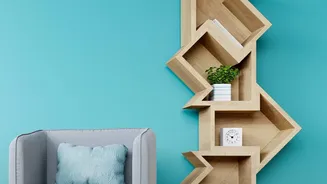
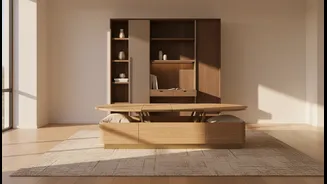
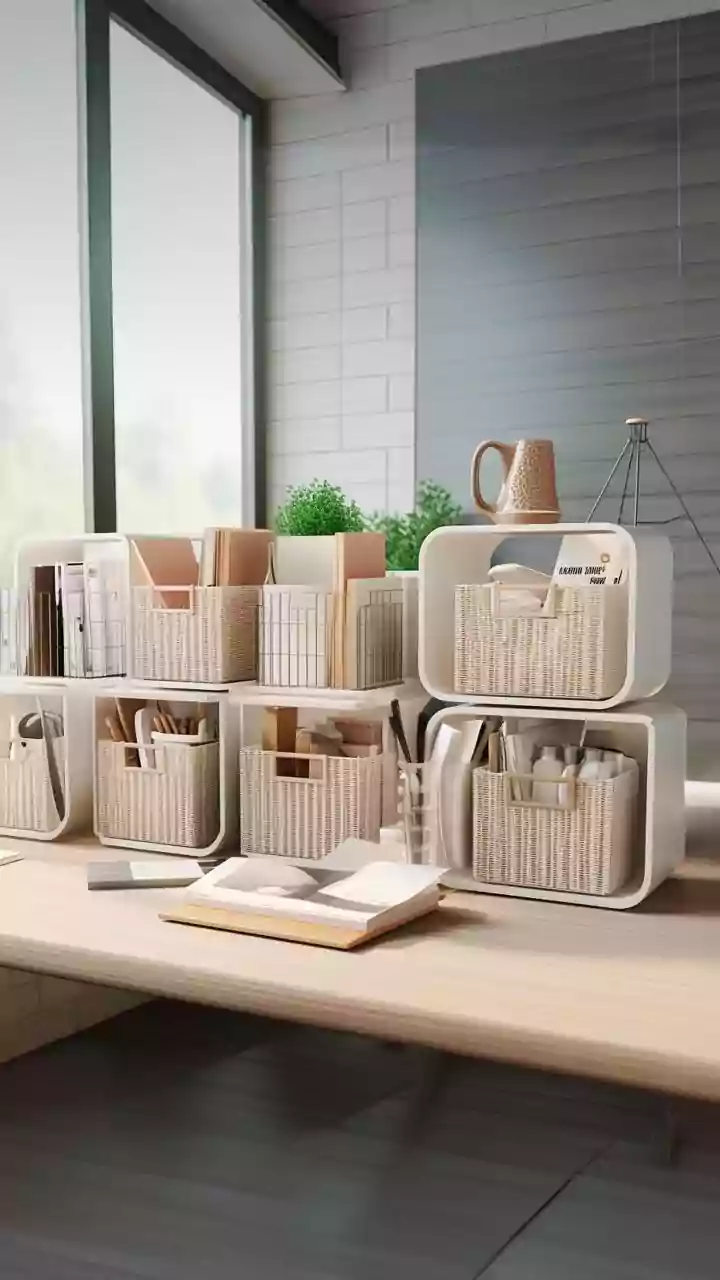
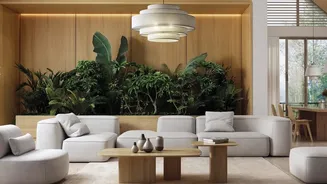
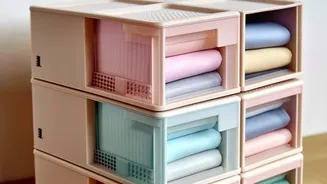
The smartest solutions for modern homes are those that do more with less. Multi-functional furniture is the hero of this new approach. Think of a coffee table with a lift-top that transforms into a comfortable workspace or a dining surface. Consider a sofa that seamlessly converts into a genuinely comfortable bed, solving the eternal challenge of hosting guests in a compact flat. In cities like Mumbai and Bengaluru, where every square foot is precious, these pieces are not just clever—they are essential. Other examples include wall-mounted desks that fold away when not in use, ottomans with hidden storage, and modular shelving units that can be reconfigured as your collection of books and decor grows. This isn't about compromise; it's about intelligent design that enhances utility without sacrificing style.
Adaptable by Design, Sustainable by Nature
The trend towards adaptable furniture also aligns with a growing consciousness around sustainability. The global market for eco-friendly furniture is projected to grow significantly, reflecting a consumer desire for products that are kinder to the planet. When furniture can change with your needs, it has a much longer lifespan. A modular sofa can be expanded or reconfigured when you move to a larger home instead of being replaced. A child's bed that transforms into a desk serves a purpose for many more years. This reduces waste and counters the culture of disposable goods. Furthermore, designers are increasingly using responsibly sourced materials like FSC-certified wood, recycled textiles, and innovative composites. Choosing furniture designed for longevity and repairability is a powerful vote for a more sustainable future.
Investing in Flexibility, Not Just Form
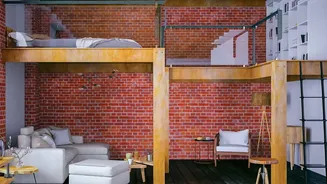
It’s time to re-evaluate how we measure the value of furniture. While a beautifully crafted, static piece has its appeal, its utility is limited. An adaptable piece, however, offers a return on investment every single day. It might be a modular wardrobe that you can configure perfectly for your saris and suits, or a wall bed that frees up an entire room for daytime activities like yoga or a children's play area. These pieces empower you to take control of your space, rather than letting your space control you. They allow for personalization and self-expression, enabling you to refresh your home's layout without buying new things. This approach is about future-proofing your home, creating an environment that supports your life today and can evolve to meet the demands of tomorrow.