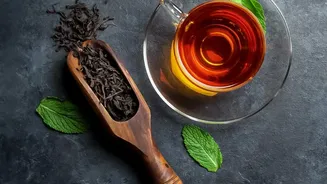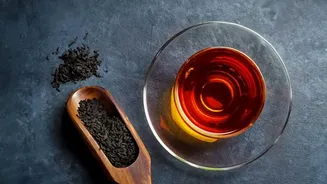




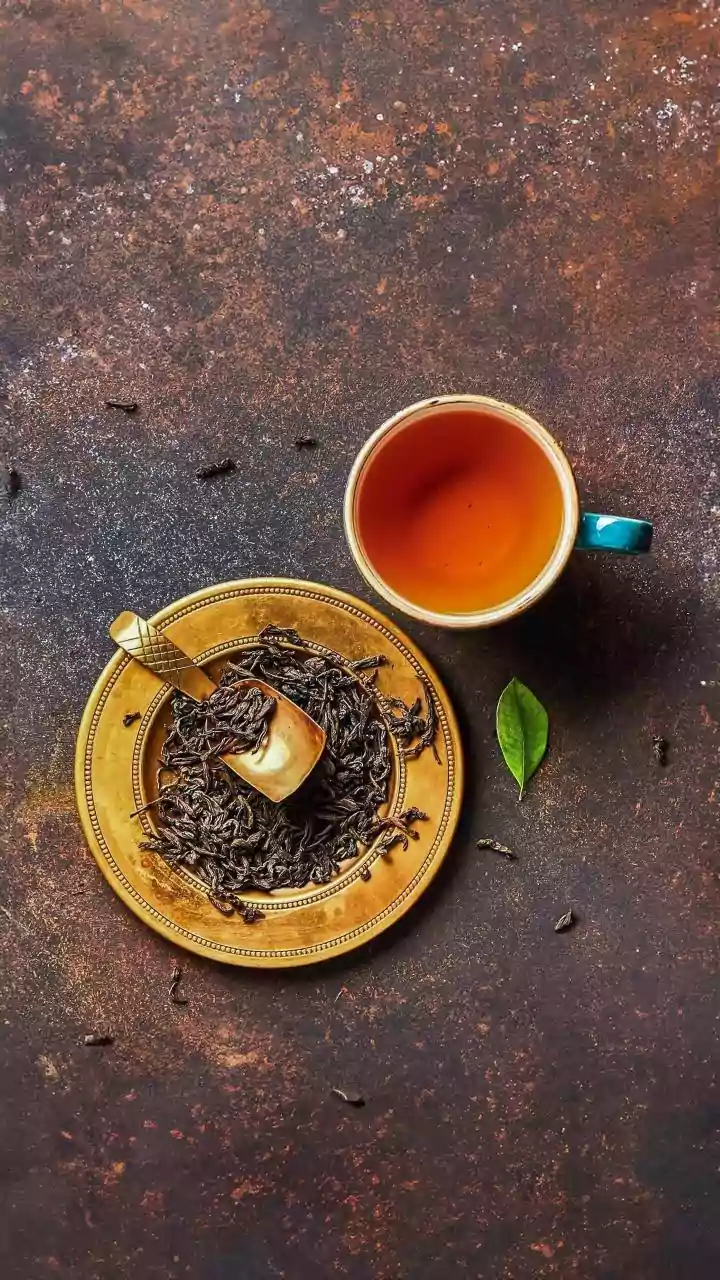



What is Botanical Cold-Brew Tea?
Unlike traditional tea that's brewed with hot water, cold brew involves steeping tea leaves in cold or room-temperature water for an extended period, typically 6 to 12 hours. This slow infusion process extracts flavors more gently, resulting in a smoother,
less bitter, and naturally sweeter tea. The 'botanical' element comes from the addition of local herbs, spices, flowers, and fruits, creating complex and aromatic flavor profiles. This method also preserves more antioxidants and contains less caffeine than hot-brewed tea, making it a healthier choice.
The Allure of Single-Estate Teas
At the heart of this trend is the use of single-estate teas. These are teas that originate from a single tea property or garden, ensuring that the unique characteristics of that specific region's soil, climate, and altitude—often referred to as terroir—are reflected in the final product. Much like single-origin wine, single-estate teas from regions like Darjeeling, Assam, and Nilgiri offer a distinct and high-quality base for these cold brews. For instance, a first-flush Darjeeling brings delicate, floral notes, while a robust Assam provides a malty richness. This focus on traceability and quality is a significant draw for discerning tea drinkers.
A Hyper-Local Twist with Indian Herbs
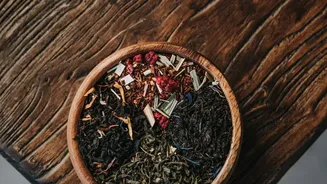
What makes this trend distinctly Indian is the creative use of local herbs and botanicals. Cafes are moving beyond familiar flavors like mint and lemon to incorporate a pantry of indigenous ingredients. Imagine a cold brew infused with the earthy, peppery notes of Tulsi (holy basil), the citrusy fragrance of lemongrass, or the floral sweetness of rose petals. Other popular additions include hibiscus, ginger, cardamom, and even saffron, creating infusions that are both innovative and deeply rooted in Indian culinary traditions. This blending of high-quality tea with local botanicals allows for endless experimentation, resulting in unique beverages that tell a story of place and culture.
Why is This Trend Gaining Momentum Now?
Several factors are driving the popularity of botanical cold-brew teas. There's a growing movement among urban consumers towards healthier, more natural, and less sugary beverage options. The lower caffeine content and higher antioxidant levels of cold brew appeal to this health-conscious demographic. Moreover, as the artisanal coffee movement has educated consumers about concepts like single-origin and terroir, a similar curiosity is now extending to tea. Younger generations, in particular, are looking for new experiences and are open to novel flavor combinations that put a modern spin on traditional ingredients. This has fueled the demand for more sophisticated, non-alcoholic beverage options in cafes and restaurants across the country.
Where to Experience the Craze
Artisanal cafes in metropolitan hubs like Mumbai, Delhi, and Bangalore are at the forefront of this movement. Look for specialty tea rooms and cafes that pride themselves on their curated beverage menus. Establishments like the Brooke Bond Taj Mahal Tea House in Mumbai and various independent cafes in Bangalore's Indiranagar and Koramangala are known for their innovative tea offerings. Many of these places are experimenting with unique blends, such as hibiscus-mint herbal tea, saffron-cardamom black tea, and lemongrass-ginger green tea, offering a refreshing departure from standard cafe fare.