





The frantic energy of December travel is a familiar story: crowded airports, high prices, and precious few hours of daylight. But what if the secret to a better winter escape isn't fighting the holiday rush, but avoiding it altogether?
The December Dilemma
For many, a winter
trip means December. It’s a month filled with festive markets, holiday cheer, and a rush to use up annual leave. Yet, this popular travel window often comes with significant downsides. The weeks surrounding Christmas and New Year's are consistently the busiest and most expensive for travel. Flights can be 30-60% more expensive, and hotel rates in popular destinations often jump by 30-50%. Beyond the strain on your wallet, there’s a more fundamental challenge: the dark. In the Northern Hemisphere, December contains the shortest days of the year. In cities like London or Paris, the sun can set before 5 PM, severely limiting the time available for sightseeing and soaking in the atmosphere. The result can be a rushed, expensive trip where you spend more time navigating crowds in the dark than enjoying your destination.
February's Gift of Light
Now, consider February. It sits in a sweet spot often overlooked by travellers. The holiday chaos has passed, but the spring break crowds have yet to arrive. The most significant advantage, however, is the noticeable return of daylight. By mid-February, London gains nearly two full hours of daylight compared to mid-December. In Rome, you get well over an hour of extra light. This isn't just a trivial change; it fundamentally alters the travel experience. An extra hour or two of sun means a more relaxed pace, more time to explore outdoor sights without a flashlight, and the ability to enjoy a late afternoon coffee in natural light. That extra daylight can make a city break feel more expansive and less frantic, transforming your trip from a race against the sunset into a leisurely exploration.
Fewer Crowds, Better Value
The benefits of a February trip extend well beyond daylight hours. With the holiday season over, demand for flights and accommodation plummets. January and February are consistently two of the cheapest months to travel, with airfares and hotel rates often significantly lower than their December peaks. Fewer tourists mean shorter queues at major attractions, easier reservations at sought-after restaurants, and a more authentic feel in the places you visit. Instead of shuffling through a packed museum, you have the space to appreciate the art. Instead of fighting for a spot with the best view, you can enjoy it in relative peace. This combination of lower costs and lighter crowds means your travel budget stretches further, and the quality of your experience is often higher.
Where to Go This February
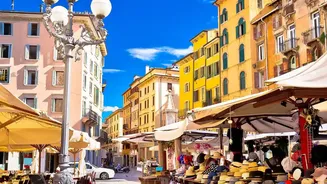
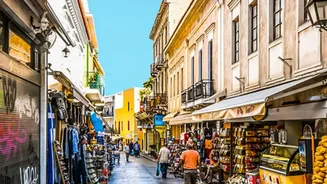
February opens up a world of possibilities. For those seeking winter sun without long-haul flights, Southern Spain and the Canary Islands offer mild temperatures and plenty of sunshine. Destinations like Marbella can be particularly pleasant, feeling vibrant and luxurious without the peak-season crush. For a classic city break, consider Lisbon or Rome, where the weather is often comfortable for walking and the extended daylight makes exploring a joy. February is also carnival season in many parts of the world, offering a burst of culture and energy. The famous carnivals in Venice or Rio de Janeiro are iconic, but smaller festivals across Europe and Latin America provide a unique and festive travel purpose. For those wanting to escape winter entirely, destinations in the Southern Hemisphere like South Africa or New Zealand are in their summer, offering long, sunny days.
A Smarter, Restorative Escape
Ultimately, choosing February over December is about travelling smarter, not harder. It’s a conscious decision to trade festive frenzy for a more restorative and personal experience. The pace is slower, the streets are quieter, and the days are brighter. You can connect more deeply with your destination when you aren't constantly battling for space or racing against an early sunset. A trip in late winter can be a genuine reset, offering a break from routine when it’s often needed most. It provides the joy of discovery without the stress and expense that so often accompany peak-season travel. The world feels a little more accessible and a lot more relaxed.