




The Principle of a Sattvic Diet
The Janmashtami fast is rooted in the principle of a 'Sattvic' diet, which emphasizes pure, light, and easy-to-digest foods that are believed to calm the mind and aid spiritual focus. This is why many everyday staples are avoided. The most common form
of fasting is the 'phalahar vrat', where devotees consume fruits, milk products, and specific non-grain foods. While some observe a strict 'nirjala' fast without food or water, the phalahar approach is more widely practised, allowing for nourishment while maintaining the spirit of the observance. The core idea is to abstain from anything that is 'tamasic' or 'rajasic'—categories of food believed to cause sluggishness or restlessness.
Fruits and Dairy: The Cornerstones
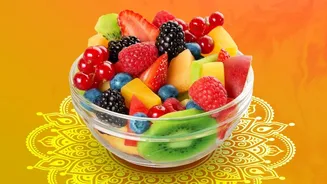
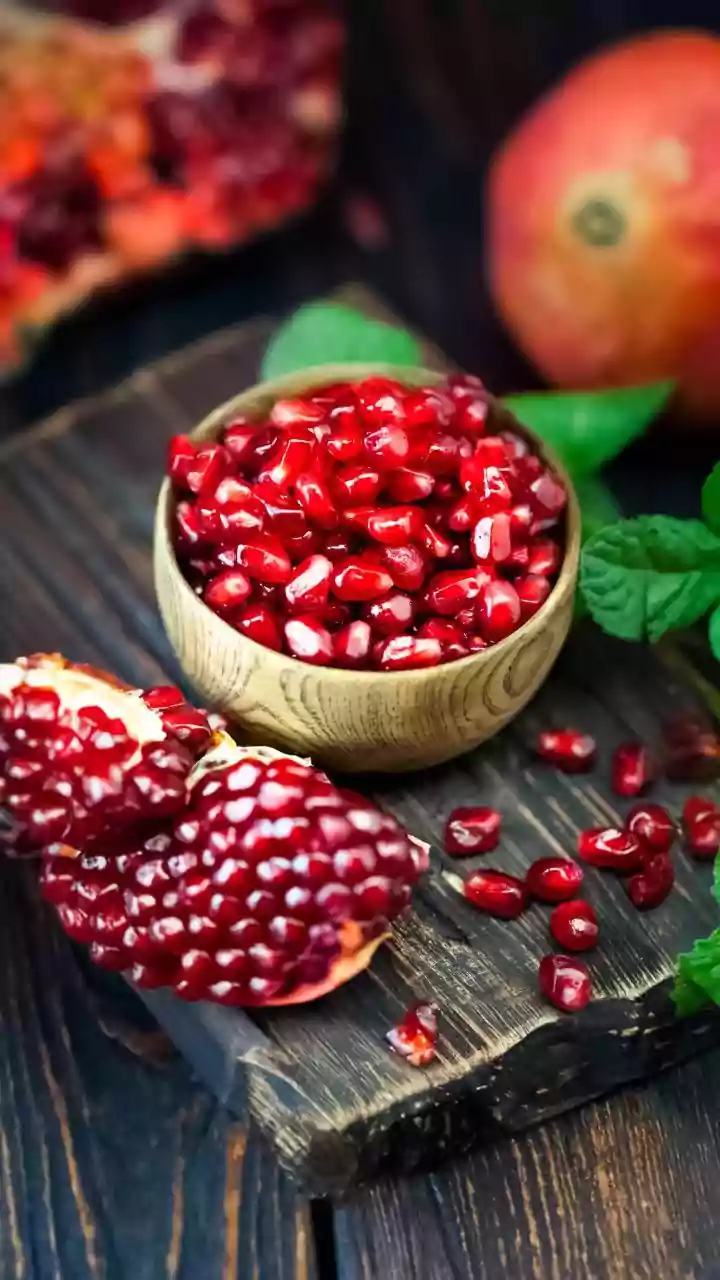
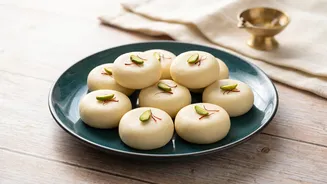
Fruits are a fundamental part of the Janmashtami fast. All fresh, seasonal fruits like bananas, apples, pomegranates, and papayas are permitted and encouraged. They provide natural sugars for energy and help with hydration. Dairy products are also central, a nod to Lord Krishna's legendary love for milk, butter, and curd. Devotees can consume milk, dahi (curd), paneer, buttermilk, and ghee. These can be consumed plain or used to prepare a variety of simple, comforting dishes that align with fasting traditions.
Vrat-Friendly Flours and Grains
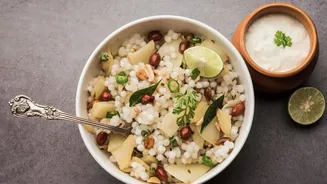
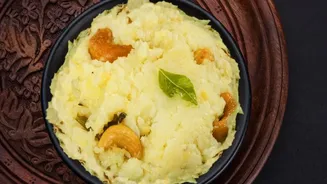
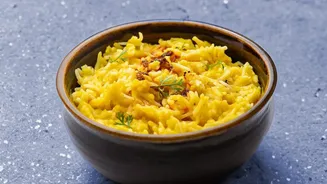
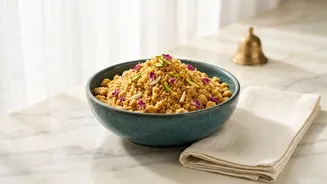
While regular grains like wheat and rice are strictly avoided, a special category of 'vrat' flours and alternative grains forms the backbone of fasting meals. These include Kuttu ka atta (buckwheat flour), Singhare ka atta (water chestnut flour), and Rajgira (amaranth flour). Sabudana (tapioca pearls) and Samak ke chawal (barnyard millet) are also extremely popular. From these ingredients, a variety of dishes can be prepared, such as Kuttu ki poori, Sabudana khichdi, and Samak rice pulao, ensuring that meals are both filling and compliant with vrat rules.
Vegetables and Spices Allowed
The list of permitted vegetables is more specific. Root vegetables and gourds are generally allowed, including potatoes, sweet potatoes, pumpkin, bottle gourd (lauki), and cucumber. These can be made into simple subzis or added to dishes like Sabudana khichdi. When it comes to seasoning, regular table salt is replaced with Sendha Namak, or rock salt. This unprocessed salt is a staple in all fasting foods. Other simple spices like cumin (jeera), black pepper, and fresh coriander are also used to add flavour without being overpowering.
What to Strictly Avoid
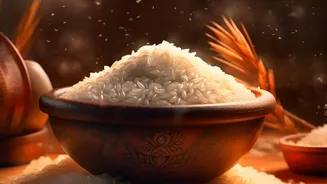
Just as important as knowing what to eat is knowing what to avoid. The prohibited list is clear: all grains and cereals like wheat, rice, corn, and oats are forbidden. The same applies to all lentils and pulses (dals). Onions and garlic are considered 'tamasic' and are strictly excluded from all fasting recipes. Additionally, non-vegetarian food, eggs, alcohol, and heavily processed or fried foods are to be avoided to maintain the purity of the fast. The focus remains on simple, natural, and Sattvic preparations.