





What is the Hidden Lotus Pose?
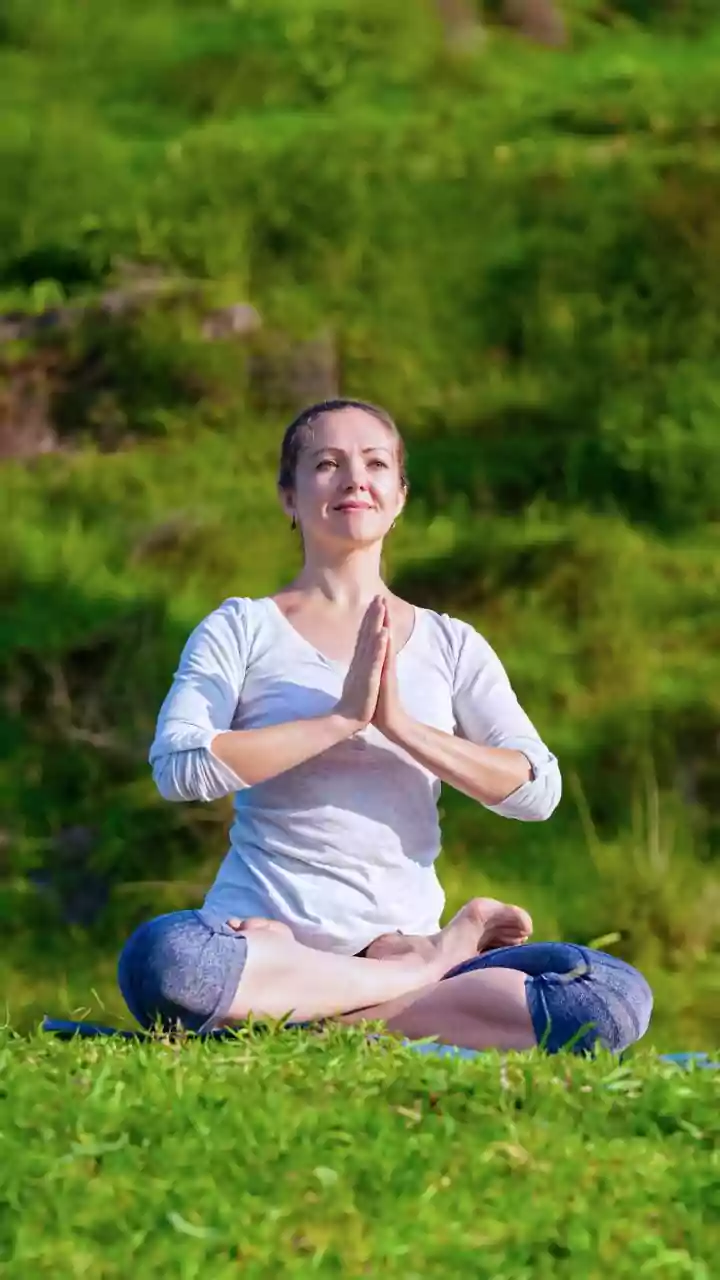
Gupta Padmasana, which translates from Sanskrit as 'Hidden Lotus Pose', is a challenging forward-bending asana. It begins in the full Lotus Pose (Padmasana), where each foot is placed on the opposite thigh. From there, the practitioner leans forward,
bringing their chest and chin to the floor. The pose is completed by bringing the hands together behind the back, often in a prayer position. This intricate posture combines deep hip opening with a significant forward bend and a shoulder stretch, making it a comprehensive and demanding asana reserved for experienced practitioners.
Why This Pose is Not for Beginners
The Hidden Lotus Pose is considered an advanced posture for several reasons. Firstly, its foundation is the full Padmasana, which itself requires tremendous flexibility in the hips, knees, and ankles. Forcing the legs into this position without adequate hip opening can place dangerous stress on the knee joints. Secondly, the forward-bend component requires a supple spine and core strength to execute safely. Finally, binding the hands behind the back demands open shoulders and flexible wrists. Layering these three challenging elements—deep hip flexion, a forward fold, and a shoulder bind—is what elevates this pose far beyond a typical beginner's routine and requires mindful preparation over time.
The Physical and Mental Benefits
For those who can practice it safely, Gupta Padmasana offers a wealth of benefits. Physically, it provides a deep stretch for the hips, knees, ankles, and spine. The forward-bending nature gently massages the abdominal organs, which can aid digestion. The chest-opening aspect of the arm bind helps counteract the rounded shoulders that often result from prolonged sitting. Mentally, the posture is known for promoting a sense of calm and introspection. The level of concentration required to enter and hold the pose helps to quiet the mind, making it an excellent preparation for deeper meditative states.
Important Safety Considerations
This pose should be avoided by anyone with current or recent injuries to the knees, ankles, hips, back, or shoulders. The intense pressure on the joints means it is not suitable for individuals with arthritis or weak joints. Due to the abdominal compression, pregnant women and women during menstruation are also advised to avoid this asana. As Shilpa Shetty noted when sharing the pose, it's crucial not to force the body and to listen for any signals of pain, especially in the knees. Attempting this posture without sufficient preparation can lead to serious injury.
The Path to the Hidden Lotus
Achieving Gupta Padmasana is a long-term goal that requires dedicated preparation. The journey begins with mastering foundational poses. Regular practice of hip-opening asanas like Baddha Konasana (Bound Angle Pose) and Ardha Padmasana (Half Lotus Pose) is essential to prepare the joints safely. To improve shoulder mobility for the bind, poses like Gomukhasana (Cow Face Pose) are highly effective. Building a solid and comfortable Padmasana is the most critical prerequisite. Only when you can sit in the full Lotus Pose without any discomfort should you even consider attempting the forward-bend variation, preferably under the guidance of an experienced yoga instructor.