





Why Your Digestion Changes in Monsoon
According to Ayurveda, the monsoon season, or ‘Varsha Ritu’, is a time when our digestive fire, or ‘Agni’, is naturally weaker. The damp, cool environment can aggravate the Vata dosha, leading to issues like bloating, gas, and indigestion. Heavy, oily,
or cold foods can further burden the system. Fasting during this time, a common practice in many Indian households for festivals like Shravan, requires extra attention. The goal is to consume foods that are not only permitted during a ‘vrat’ or ‘upvas’ but are also light, nourishing, and easy for your gut to handle. Opting for warm, freshly cooked meals over raw or heavy ones can make a significant difference in how you feel, keeping you energetic rather than lethargic.
The Comfort of Sabudana Khichdi
Sabudana (tapioca pearls) is a fasting staple for a reason. It’s a pure carbohydrate that provides a quick and sustained release of energy. However, a greasy, heavy sabudana khichdi can be counterproductive during the monsoon. The trick is to make it light. Use minimal ghee or oil, and load it with roasted peanuts for protein and healthy fats. Add finely chopped green chillies and ginger, both of which aid digestion. A generous squeeze of lemon juice at the end not only enhances the flavour but also adds a dose of Vitamin C and helps cut through any richness. This one-pot meal is comforting, satisfying, and perfectly suited for a damp, rainy day.
Nutrient-Packed Kuttu Cheela
Kuttu ka atta (buckwheat flour) is a powerhouse of nutrients. Unlike refined flours, it's rich in fibre, protein, and minerals like magnesium and iron. Instead of making deep-fried puris, consider a light and savoury kuttu cheela or pancake. Mix the flour with water to create a thin batter, season with sendha namak (rock salt), and add grated lauki (bottle gourd) or mashed sweet potato for extra fibre and moisture. Cook it on a non-stick tawa with a light brush of ghee until crisp. It’s a fantastic way to get a balanced meal that keeps you full without feeling heavy. Serve it with a simple mint and coriander chutney for a fresh, digestive-friendly accompaniment.
The Versatility of Rajgira
Rajgira (amaranth) is another gluten-free pseudo-cereal that is excellent for fasting. It’s packed with protein and is known for being easy to digest. You can use rajgira flour to make a soft, warm porridge—simply cook the flour with water or milk until it thickens, and sweeten it with a little jaggery or a chopped date. For a savoury option, try making a simple rajgira roti. The dough can be a bit tricky to handle, but patting it out between two sheets of parchment paper makes it easy. Cook on a hot tava and serve with a simple vegetable preparation like a lightly spiced potato or pumpkin curry.
Roasted Makhana and Fruit Chaat
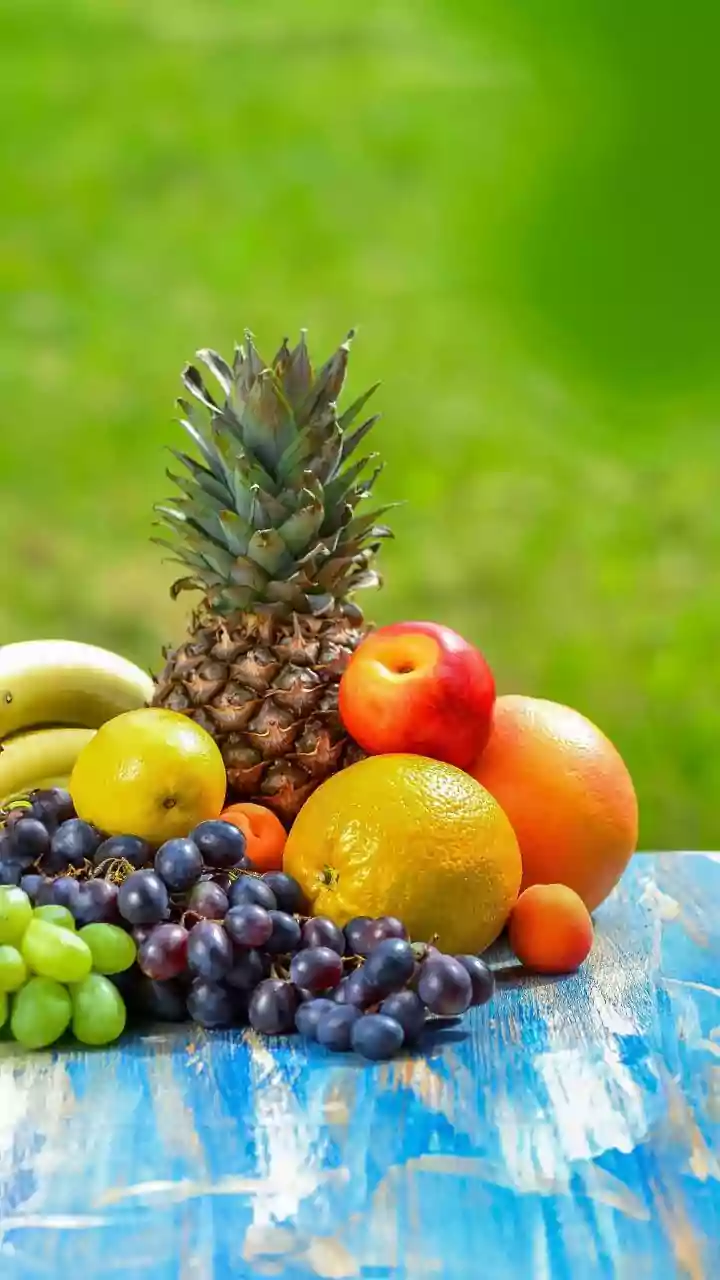
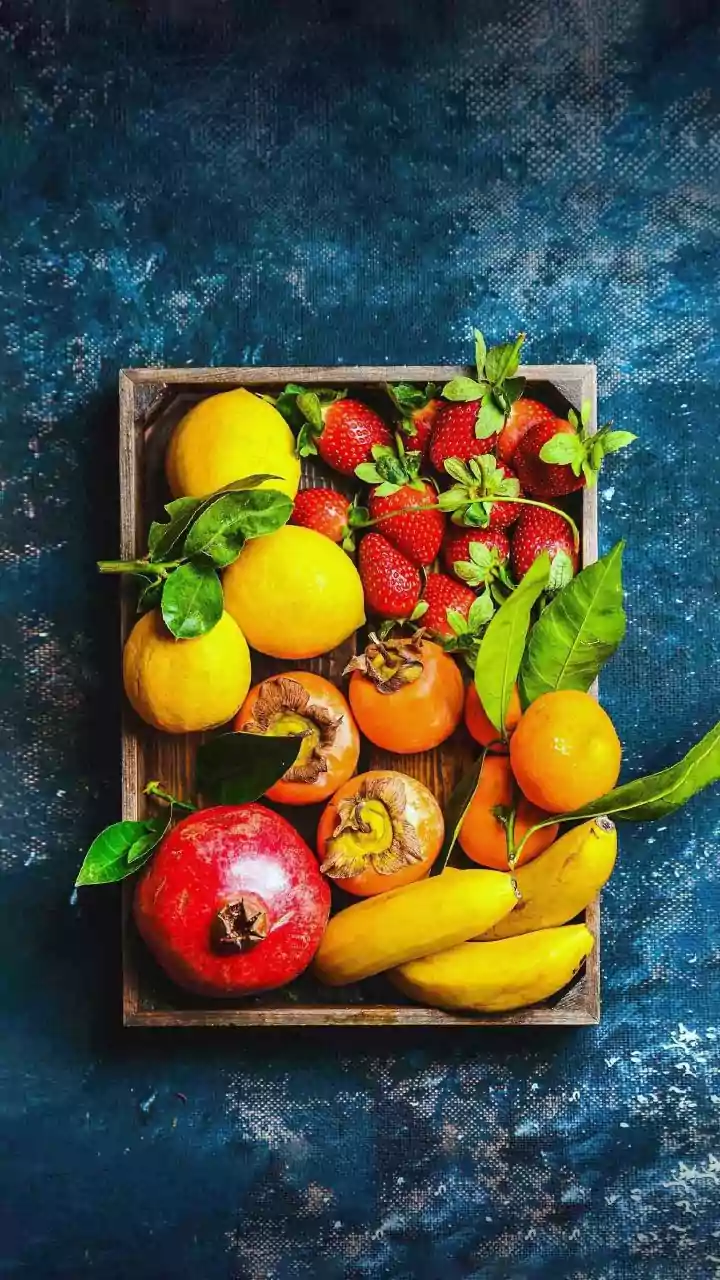
For those moments when you crave a snack, roasted makhana (fox nuts) are a perfect choice. They are incredibly light, low in calories, and rich in calcium. Simply dry roast them in a pan until crunchy and season with a pinch of rock salt and black pepper. They provide a satisfying crunch without the heaviness of fried snacks. Another excellent light option is a fruit chaat. Focus on seasonal monsoon fruits like apples, pears, and pomegranates. Avoid water-heavy fruits like watermelon if you feel bloated. A simple chaat with a sprinkle of roasted jeera (cumin) powder and black salt can be refreshing and hydrating.
Warm Soups and Soothing Teas
Don’t underestimate the power of liquids. A warm soup made from fasting-approved vegetables like lauki or tomato can be incredibly soothing for the digestive system. Blend boiled tomatoes with ginger and black pepper for a simple, tangy soup that warms you from the inside. Similarly, herbal teas can be a great addition. A cup of ginger tea, mint tea, or even a simple concoction of boiled water with ajwain (carom seeds) can help stoke your digestive fire and prevent the discomfort associated with a sluggish monsoon gut. These warm liquids keep you hydrated and support your body’s natural processes.