






The Modern Travel Paradox
We seek out national parks for tranquility and a connection to the natural world. Yet, the journey to get there often involves the exact opposite: the frantic energy of airports, the frustration of congested highways, and the scramble for limited parking.
Arriving at a place of peace already stressed and tired is a common paradox of modern travel. Driving to and through popular parks can involve long lines at entrance gates and a hunt for a coveted parking spot, which can dampen the spirit of adventure before it even begins. This experience undermines the very purpose of the trip—to escape the pressures of daily life and immerse oneself in nature's restorative power.
A Case for Slowing Down
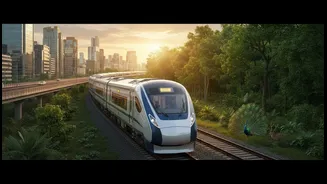
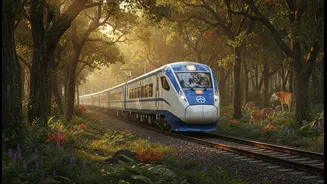
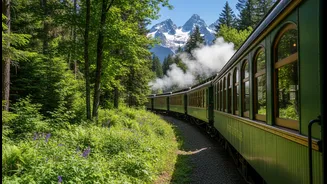
Train travel offers a compelling alternative. It invites a change of pace, aligning the journey with the destination's promise of serenity. Instead of navigating and focusing on the road, passengers can relax, read, dine, and simply watch the landscape unfold. The journey becomes part of the vacation, not just a means to an end. This approach is a rejection of hustle culture, allowing for a mental reset long before you set foot on a trail. The large windows of a rail car frame the passing scenery, from prairies and deserts to forests and mountains, offering vistas often inaccessible by road and building anticipation in a gentle, enjoyable way.
Where Rails Meet the Wilderness
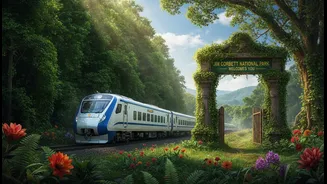
This isn't just a theoretical concept; it's a reality for some of the world's most iconic natural wonders. In the United States, Amtrak's Empire Builder route delivers passengers to the doorstep of Glacier National Park in Montana, with stops at both the east and west entrances. This historic connection dates back to the park's early days and continues to offer a practical and scenic way to arrive. Similarly, the Grand Canyon Railway, a heritage railroad, ferries visitors from Williams, Arizona, directly to the South Rim of the Grand Canyon. This journey not only eliminates a long drive but turns the trip into an entertaining experience with restored vintage cars and onboard western characters.
A Lighter Footprint on the Land
The benefits extend beyond personal comfort. Choosing the train is also an environmental decision. Rail travel is significantly more energy-efficient per passenger than driving a car or flying. Studies show that train journeys can produce dramatically fewer carbon emissions compared to equivalent trips by car or plane. By reducing the number of cars heading into sensitive ecosystems, rail access helps mitigate traffic congestion and air pollution within the parks themselves. Opting for the train is a way to respect the very landscapes we travel so far to admire, ensuring they remain pristine for future generations.
Arriving Ready for Adventure
Ultimately, the story of rail access is about the quality of the travel experience. It’s about swapping the tension of the driver's seat for the freedom to gaze out a window. It’s about arriving refreshed and ready to explore, rather than needing a vacation from your vacation. When you skip the airport lines and the stress of navigating unfamiliar roads, you reclaim hours for relaxation and connection. The transition from civilization to wilderness becomes a gradual, scenic immersion instead of an abrupt, jarring shift. The train delivers you not just to a location, but to a better state of mind.