

A Dish with a Deceptive Name
In Hindi, the word 'ghotala' translates to 'scam' or 'chaos'. In the culinary world of western India, however, it describes a glorious, messy, and delicious mix of ingredients. The name is a playful nod from street vendors, hinting at the delightful jumble
of flavours and textures that defines the dish. Originating from the bustling streets of Surat in Gujarat, 'Ghotala' began its journey primarily as a non-vegetarian preparation, most famously as Surti Anda Ghotala (made with eggs) or Keema Ghotala (with minced meat). These dishes involve a spiced gravy of onions and tomatoes, mashed with grated boiled eggs or minced meat, often topped with a sunny-side-up egg and served with buttered pav (soft bread rolls). It’s a hearty, quick, and satisfying meal that quickly became a beloved staple not just in Gujarat, but also in neighbouring states like Maharashtra.
The Vegetarian Reinvention
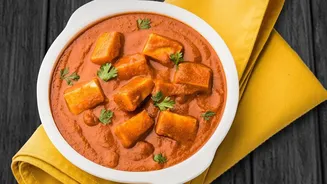
As the popularity of Ghotala grew, so did the demand for a vegetarian version that could capture the same spirit. Enter Paneer Ghotala. This clever adaptation swaps the eggs and meat for paneer, the versatile Indian cottage cheese, making the dish accessible to a wider audience. The paneer is typically grated or crumbled, mimicking the texture of the original egg-based dish and allowing it to soak up all the flavours of the masala. This vegetarian twist maintains the core concept of a rich, semi-liquid curry that’s perfect for scooping up with pav. The result is a dish that feels both innovative and deeply traditional, a testament to the creative and adaptive nature of Indian street food culture.
More Than Just Paneer Bhurji
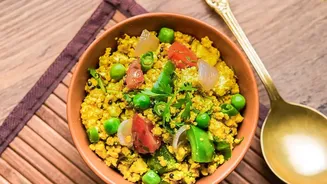
At first glance, one might mistake Paneer Ghotala for its more famous cousin, Paneer Bhurji. Both feature scrambled paneer in a spiced base. However, key differences set them apart. Paneer Bhurji is typically a drier preparation, a simple scramble of paneer with onions, tomatoes, and basic spices. Paneer Ghotala, on the other hand, is defined by its luscious, gravy-like consistency and a more complex flavour profile. The secret often lies in the spice blend; many Ghotala recipes call for a generous spoonful of pav bhaji masala, which lends the dish its distinctive street-food tang. Another defining feature is the addition of grated cheese, which melts into the gravy, adding a modern, indulgent creaminess that you won't typically find in a traditional bhurji. Some preparations even use multiple textures of paneer—grated, crumbled, and cubed—to create a more dynamic eating experience.
Creating the 'Ghotala' at Home
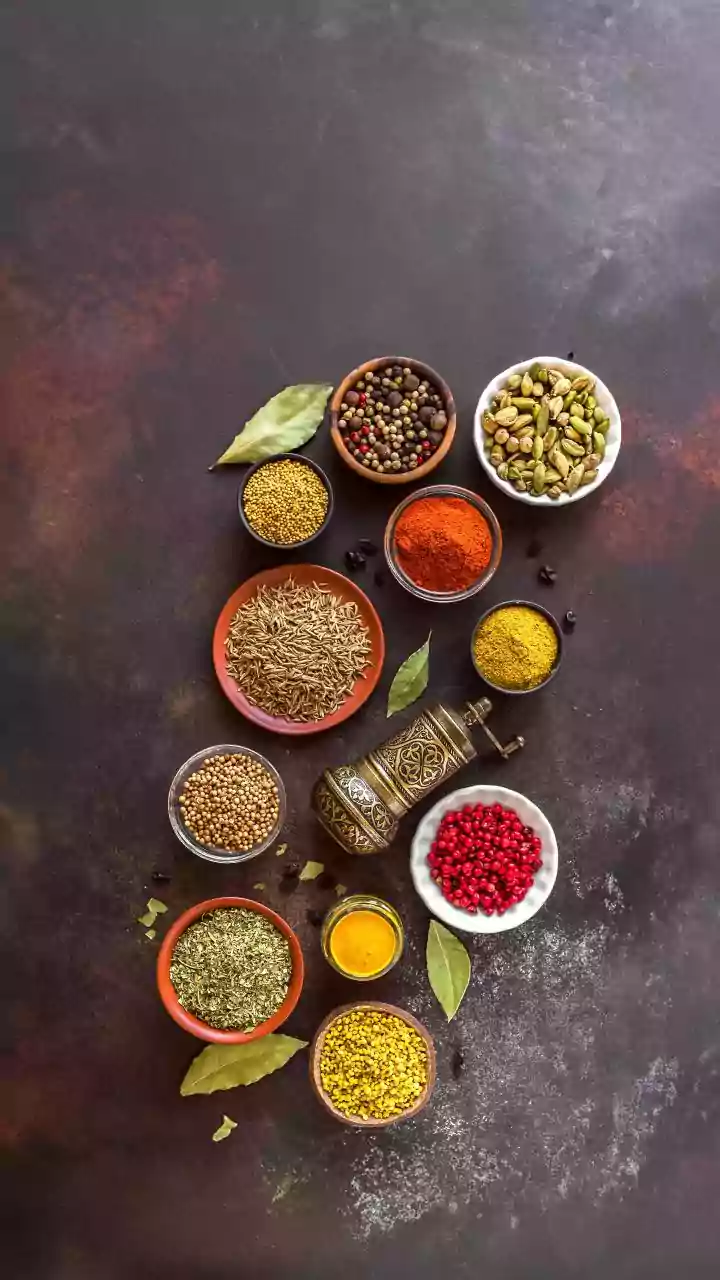
The beauty of Paneer Ghotala is its rustic simplicity, which makes it perfect for recreating in a home kitchen. The process begins like many beloved Indian curries: sautéing finely chopped onions, ginger, garlic, and green chillies in oil or butter. Tomatoes are cooked down until they become soft and mushy, forming the base of the gravy. This is where the magic happens. Aromatic spices like turmeric, red chilli powder, coriander powder, and, crucially, pav bhaji masala are added and toasted. Finally, the grated paneer is stirred in, along with a little water to achieve that signature semi-gravy consistency. The dish is often finished with a knob of butter for richness, a sprinkle of fresh coriander, and a generous grating of cheese that melts into the hot mixture, creating a truly decadent 'ghotala'.
How to Serve and Enjoy
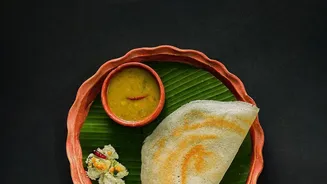
The classic and undisputed way to serve Paneer Ghotala is with soft, pillowy pav, toasted in a generous amount of butter and a pinch of chilli powder. The pav acts as the perfect vehicle for mopping up every last bit of the flavourful, cheesy curry. But its versatility doesn't end there. Paneer Ghotala also makes an excellent and hearty filling for dosas, wraps, or sandwiches. You can even serve it simply on toasted bread for a quick and satisfying brunch or light dinner. The combination of soft paneer, tangy spices, and melting cheese makes it an instant hit with people of all ages, proving that sometimes, a little bit of delicious chaos is exactly what you need on your plate.