



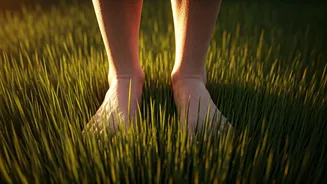


What Is The Barefoot Movement?
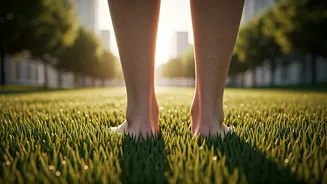
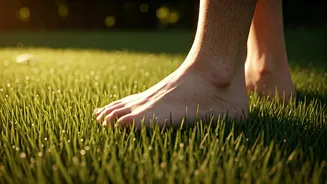
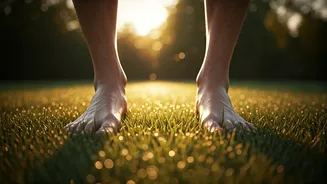
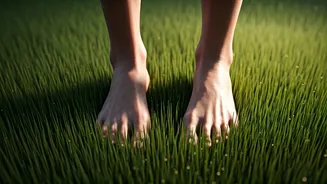
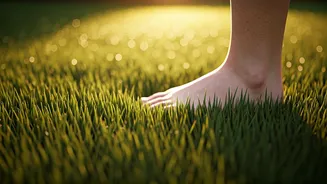
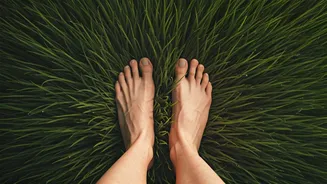
At its core, the viral park barefoot movement is exactly what it sounds like. People are making a conscious choice to take off their footwear and walk on natural surfaces like grass, soil, or sand. Participants often film their experiences, sharing their feelings
of calm, connection, and sensory awakening on platforms like Instagram and TikTok. The 'challenge' aspect encourages others to try it for themselves, creating a digital ripple effect. More than just a quirky trend, it’s part of a larger wellness conversation that questions our modern, insulated lifestyles and seeks simple, free ways to improve our well-being by reconnecting with the world around us. For many, it's a small act of rebellion against the constant mediation of shoes, concrete, and technology.
The Theory of 'Grounding'
The practice is closely linked to the concept of 'grounding' or 'earthing.' Proponents of this theory suggest that the Earth has a subtle, negative electrical charge. When our bare skin comes into direct contact with the ground, our bodies can absorb free electrons. These electrons are believed to act as powerful antioxidants, helping to neutralise the damaging free radicals that contribute to inflammation, pain, and chronic disease. While this might sound a bit 'out there' to some, advocates claim a wide range of benefits, from reduced stress and anxiety to better sleep and decreased inflammation. The idea is that our rubber-soled shoes have disconnected us from this natural energy source, and going barefoot helps restore that essential balance.
Potential Benefits vs. Scientific Reality
So, is there any truth to these claims? The wellness community is full of anecdotal evidence from people who swear by grounding for their physical and mental health. However, the scientific community remains cautiously optimistic at best. Some small-scale studies have suggested potential links between grounding and improved sleep, reduced pain, and better blood flow, but much more rigorous, large-scale research is needed to draw firm conclusions. That said, there are more straightforward, scientifically-backed benefits to walking barefoot. It can strengthen the muscles in your feet and lower legs, improve your balance and proprioception (your sense of body position), and enhance your posture by encouraging a more natural gait. Plus, the simple act of focusing on the sensation of the earth beneath your feet can be a powerful form of mindfulness, helping to ground you in the present moment.
The Unseen Risks in the Grass
Before you kick off your shoes, it’s crucial to acknowledge the risks. Urban and even suburban parks aren’t pristine wilderness. The ground can hide sharp objects like broken glass, metal shards, or sharp stones that can cause cuts and puncture wounds. These injuries can become infected, especially by bacteria commonly found in soil. Fungal infections like athlete's foot can also be picked up from damp, grassy areas. Furthermore, in certain environments, there is a risk of parasites, like hookworm, which can enter the body through the soles of the feet. Animal droppings can also harbour bacteria. Being aware of these dangers isn't meant to scare you off, but to encourage you to be smart and selective about where you choose to go barefoot.
A Smart Guide to Joining the Challenge
Ready to try it for yourself? Here’s how to do it safely. 1. **Choose Your Spot Wisely:** Opt for a clean, well-maintained park that you are familiar with. Look for a soft, open grassy area away from high-traffic paths. 2. **Scan the Area:** Before you take your shoes off, do a quick visual sweep of the patch you plan to walk on. Check for any visible hazards like glass, litter, or sharp twigs. 3. **Start Slow:** If you’re not used to being barefoot, your feet will be sensitive. Start with just 5-10 minutes and gradually increase the duration as your feet adapt. Don’t push through pain. 4. **Pay Attention:** This isn’t the time to be scrolling on your phone. Stay present and watch where you’re stepping. This mindfulness is part of the experience and your primary safety tool. 5. **Clean Up Afterwards:** As soon as you get home, wash your feet thoroughly with soap and water. Pay special attention to the area between your toes. Then, check the soles of your feet for any cuts, scrapes, or splinters.