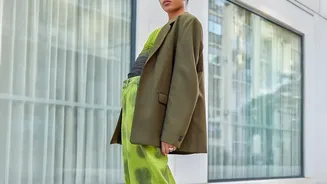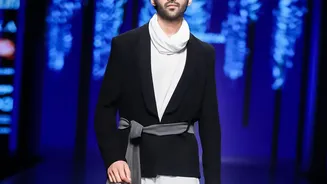



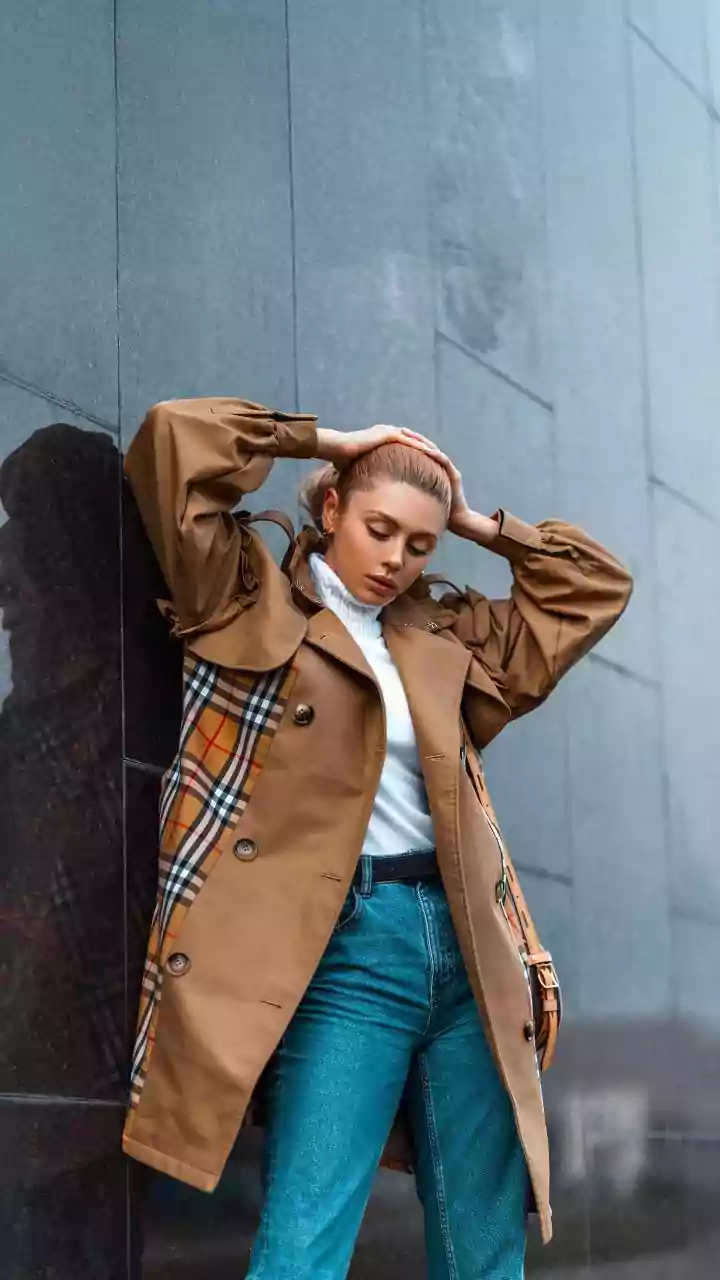

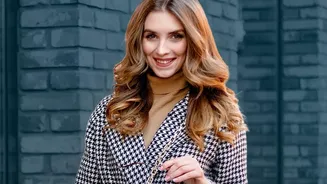
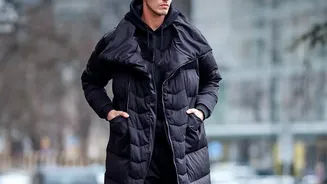
A structured jacket offers a sharp silhouette, but accessorising can be a challenge. The wrong addition creates bulk, while none at all feels incomplete. Enter the lightweight scarf: the perfect way to add colour and protection without compromise.
The Lightweight Advantage
The
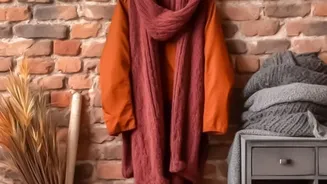
key to successfully pairing a scarf with a tailored jacket—be it a sharp blazer, a classic trench, or a fitted denim jacket—is to avoid bulk. Heavy wool or chunky knit scarves create lumps and distort the clean lines of the jacket's shoulders and lapels. Lightweight scarves, however, drape and fold without adding volume. They soften the structured look of a jacket, adding a touch of personality and colour right where you need it. This allows you to layer for style and comfort while ensuring the jacket’s intended silhouette remains crisp and defined.
Choose the Right Fabric
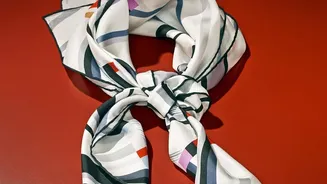
The material of your scarf is crucial. For this pairing, natural, breathable fabrics are your best friends. Silk is a top choice; its smooth texture allows it to glide and sit flat against both your skin and the jacket's fabric. Cotton and linen are also excellent options, especially for more casual looks. They are lightweight, breathable, and add a pleasant texture without being cumbersome. Blends like silk-cotton or modal offer a fantastic middle ground, combining the lustre of silk with the soft, durable nature of cotton or the beautiful drape of modal. These materials are comfortable in varying temperatures and won't feel stuffy when worn indoors.
Mastering the Art of the Drape
How you tie the scarf is just as important as the scarf itself. The goal is elegance and simplicity, not complex, bulky knots. Here are a few foolproof techniques: The Simple Drape: The easiest and often most effective method. Simply drape the scarf around your neck, letting the two ends hang evenly down the front. You can then tuck these ends neatly inside the lapels of your jacket for a sleek, integrated look that creates a clean vertical line. The Parisian Knot: Fold a long scarf in half lengthwise, wrap it around the back of your neck, and pull the two loose ends through the loop you created. This classic knot is neat, secure, and sits perfectly in the space created by a jacket's collar without being bulky. The Once-Around: For a more relaxed feel, loop the scarf once around your neck and let the ends hang. This works well with casual jackets like denim or leather. You can adjust the lengths of the ends for an asymmetrical, effortless feel.
Perfect Pairings for a Polished Look
Certain jacket styles are natural partners for a lightweight scarf. A slim silk scarf draped inside the lapels of a navy or grey blazer is a timeless combination that adds a pop of colour for a polished, smart finish. For denim and leather jackets, a loose loop or a simple knot in a printed cotton scarf adds a relaxed, modern charm. With a formal suit jacket, a crossover knot that is tucked into the jacket provides a tidy and refined appearance. The key is to match the scarf's level of formality to the jacket; a luxurious silk scarf complements a tailored suit, while a breezy cotton scarf suits a casual weekend jacket.
Protection Beyond the Chill
While we often associate scarves with warmth, lightweight versions offer a different kind of protection. A silk or cotton scarf provides a gentle barrier against the sun, protecting the delicate skin on your neck and chest from UV exposure on bright days. They also shield against wind and dust, which is particularly useful in urban environments. In overly airconditioned spaces, a scarf can be the perfect accessory to ward off a surprise chill without needing a full extra layer. Furthermore, fabrics like silk are naturally hypoallergenic and can be gentler on sensitive skin than other materials.