





The Psychology of a Soft Space
There's a reason we find comfort in a soft blanket or a plush sofa. Psychologically, soft textures are linked to feelings of safety, warmth, and calm. For children, this effect is even more pronounced. A room filled with soft surfaces is not just a play
area; it's a sanctuary that encourages relaxation and reduces stress. Hard, minimalist spaces can feel cold or unwelcoming to a child, whereas rooms with plush rugs, upholstered furniture, and layered textiles are inherently more inviting. This tactile comfort helps to soften acoustics, reducing echo and creating a quieter, more peaceful atmosphere for everyone in the family.
Choosing the Right Child-Friendly Fabrics
The key to a successful soft-textured room is selecting materials that are both comfortable and durable. In a home with children, practicality is paramount. Chenille is often a top choice for families because its soft, fuzzy texture is forgiving and hides everyday marks well. Modern 'performance fabrics' are another excellent option; these materials are engineered to resist stains and spills, often causing liquids to bead on the surface for easy cleanup. While boucle offers a trendy, sculptural look, its looped texture can be prone to snagging, making it less ideal for high-traffic family sofas. Performance velvet, however, combines a luxurious feel with surprising resilience, as its dense pile resists snags and is easy to clean.
Safety Through Softness
For parents of toddlers and active young children, a cushioned environment is a safer environment. Sharp corners are a constant source of worry, but soft styling offers clever solutions. Opting for a fabric-covered storage ottoman instead of a hard coffee table eliminates a common hazard. Furniture with rounded edges is always a better choice in a family home. Plush, low-pile area rugs not only add warmth and texture but also provide a soft landing for inevitable tumbles. Even upholstered headboards and fabric-covered bed frames can make a child's bedroom a gentler space. By thinking about surfaces from a child's perspective, you can design a room that significantly minimises the risk of bumps and bruises.
Layering Textures for a Rich Look
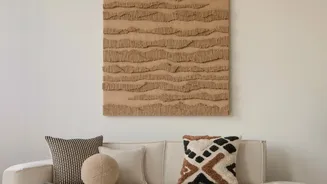
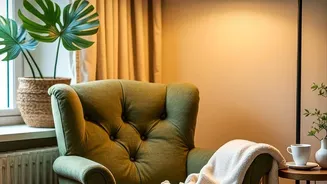
A cushioned aesthetic doesn't mean everything has to be fluffy. The most appealing designs come from layering a variety of textures. Start with a large, foundational soft element, like a comfortable sofa or a large area rug. Then, add smaller-scale textures. Think chunky knit throws draped over an armchair, velvet cushions on the sofa, and linen-blend curtains that soften the light. Even walls can contribute to the effect through fabric hangings or textured wallpaper. The goal is to create contrast and depth. A smooth leather chair can be softened with a woollen throw; a sleek wooden floor feels warmer with a plush rug. This mix of materials creates a room that is visually interesting and feels intentionally designed.
Maintenance and Upkeep for Busy Families
The thought of light-coloured, soft fabrics in a house with children might seem daunting, but modern materials have made maintenance much easier. Many family-friendly sofas now come with removable, washable covers. Performance fabrics are specifically designed so that spills can often be wiped away with just water. For materials like chenille and velvet, regular vacuuming with a soft brush attachment can prevent dust and crumbs from settling into the fibres. Choosing mid-tone colours or subtle patterns can also be a strategic way to camouflage minor spots and stains between cleanings. By selecting the right materials from the start, a soft-styled home can be surprisingly low-maintenance.