


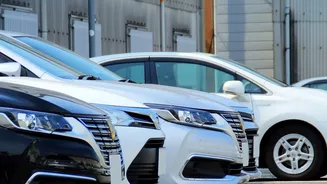


Which Carmakers Are Increasing Prices?
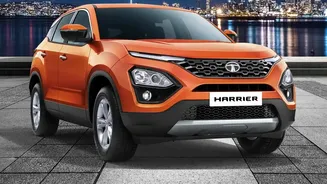
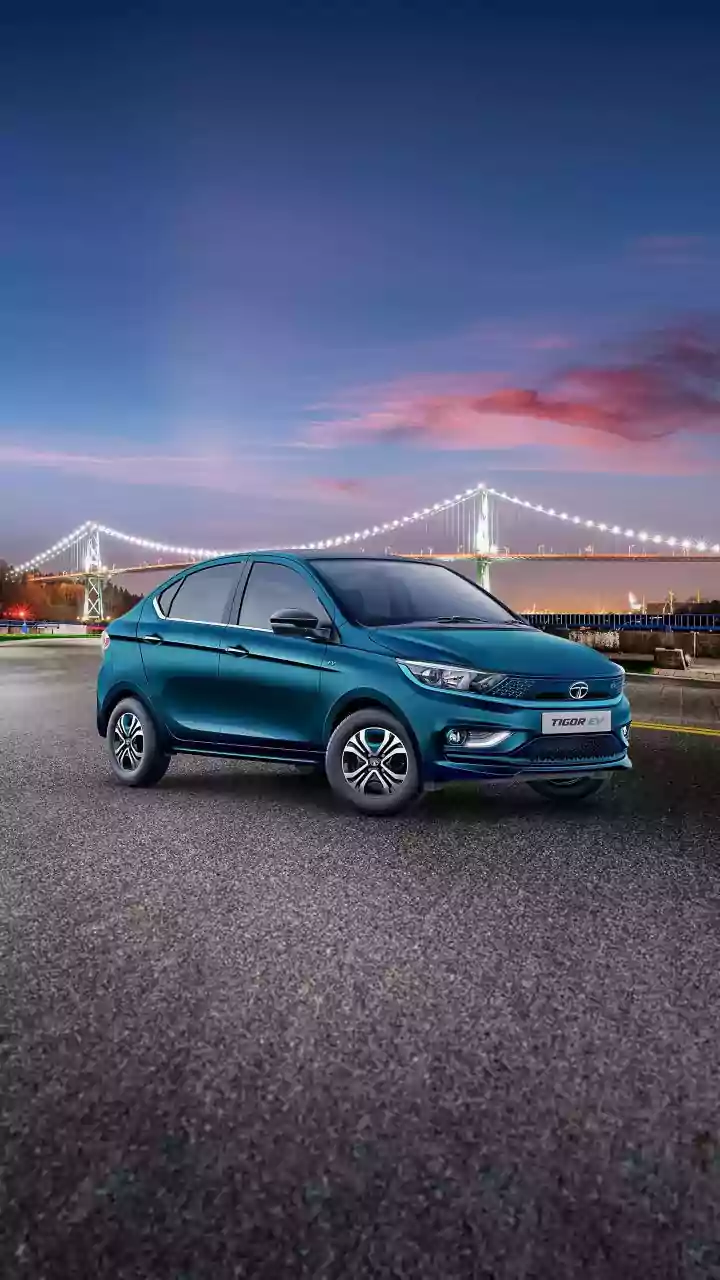
The price revisions are not limited to a single company but are spread across some of the country's largest manufacturers. Hyundai Motor India was among the first to announce an increase of up to 1% across its entire portfolio. Shortly after, Tata Motors
confirmed a price hike of up to Rs 25,000 on its passenger vehicles, including both internal combustion engine (ICE) and electric models. These announcements follow a recent price increase by Maruti Suzuki in August, which saw prices go up by as much as Rs 30,000 on certain models like the Baleno. Other automakers like Mahindra & Mahindra have also increased prices in recent months, indicating a broader industry trend.
Why Are Car Prices Going Up Again?
Automakers have consistently pointed to a common set of challenges forcing their hand. The primary reason cited is the continuous rise in input costs and sustained inflationary pressures. This refers to the increasing prices of raw materials like steel and aluminium, as well as components such as memory chips, which are crucial for modern vehicles. Additionally, companies have mentioned higher operational expenses and ongoing geopolitical uncertainties that affect supply chains and logistics, making it difficult to absorb the rising costs completely. While manufacturers state they absorb a significant portion of these increases, they are compelled to pass on the rest to customers.
The Case for Buying Your Car Now
The most obvious reason to purchase a car before September is to avoid the direct financial impact of the price hike. Buying in August allows you to lock in the current, lower price. For a car costing Rs 10 lakh, a 1% hike translates to an instant increase of Rs 10,000. For models from Tata Motors, the saving could be as high as Rs 25,000, depending on the variant. Furthermore, dealers might still be offering end-of-month discounts in August to meet their sales targets. If your desired model is in stock and you need a vehicle urgently, securing it now is a straightforward way to save money and avoid a longer waiting period that might arise during the festive rush.
The Argument for Waiting a Little Longer
While buying now saves you from the September price increase, waiting could unlock better overall value. The months of October and November mark India's peak festive season, including Navratri and Diwali, which is historically the best time for car deals. During this period, manufacturers roll out aggressive promotional campaigns to capture buyer sentiment. These often include significant cash discounts, exchange bonuses, free insurance, and low-interest financing schemes that could potentially outweigh the September price hike. Waiting also gives you access to any new models or facelifts that might be launched during this period, like the expected Baleno facelift.
The Verdict: A Checklist for Your Decision
Instead of a one-size-fits-all answer, the right choice depends on your personal circumstances. Here’s a quick checklist to help you decide: Urgency: Do you need a car immediately? If so, buying now makes sense. Budget Flexibility: Can your budget comfortably absorb the price increase? If not, buying before the hike is wiser. Model Choice: Is the car you want part of the announced hikes? Check the specific model and variant. Patience for Deals: Are you willing to wait and negotiate during the festive season for potentially bigger, bundled offers? Waiting might be better. * Financing: Do you need a loan? Festive season offers often come with better financing deals from banks.