




A Universe of Opportunity
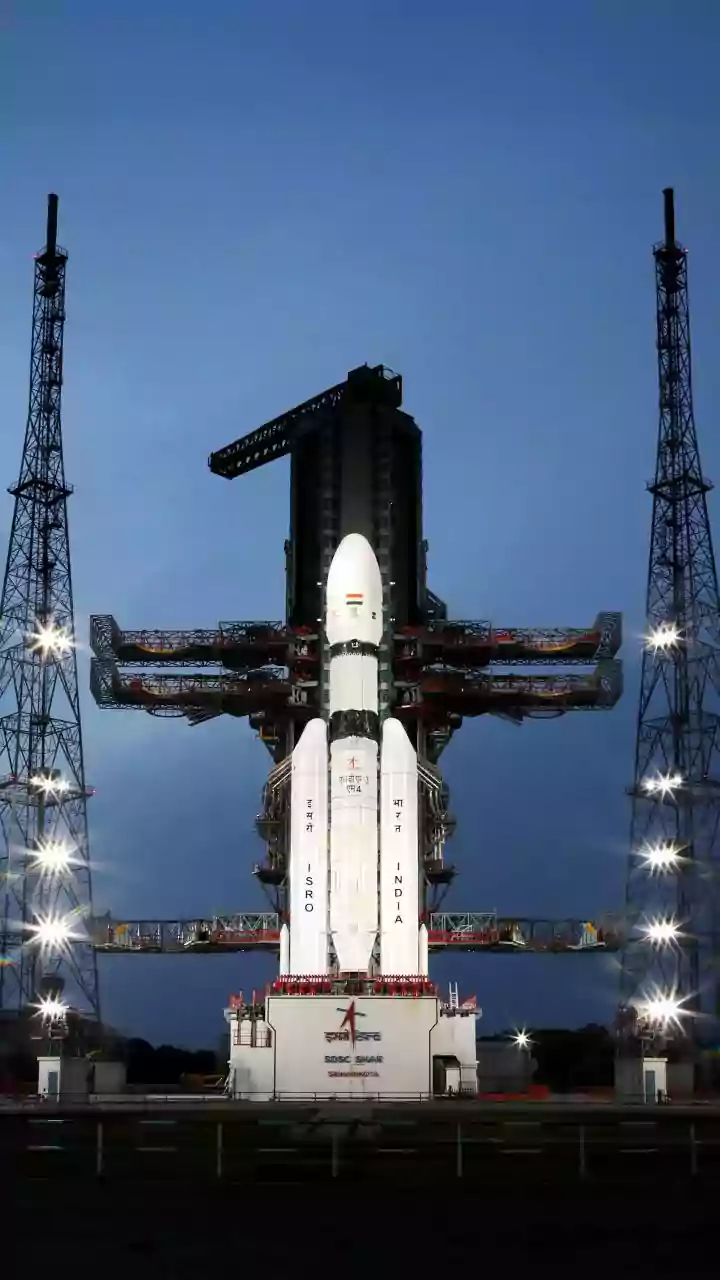
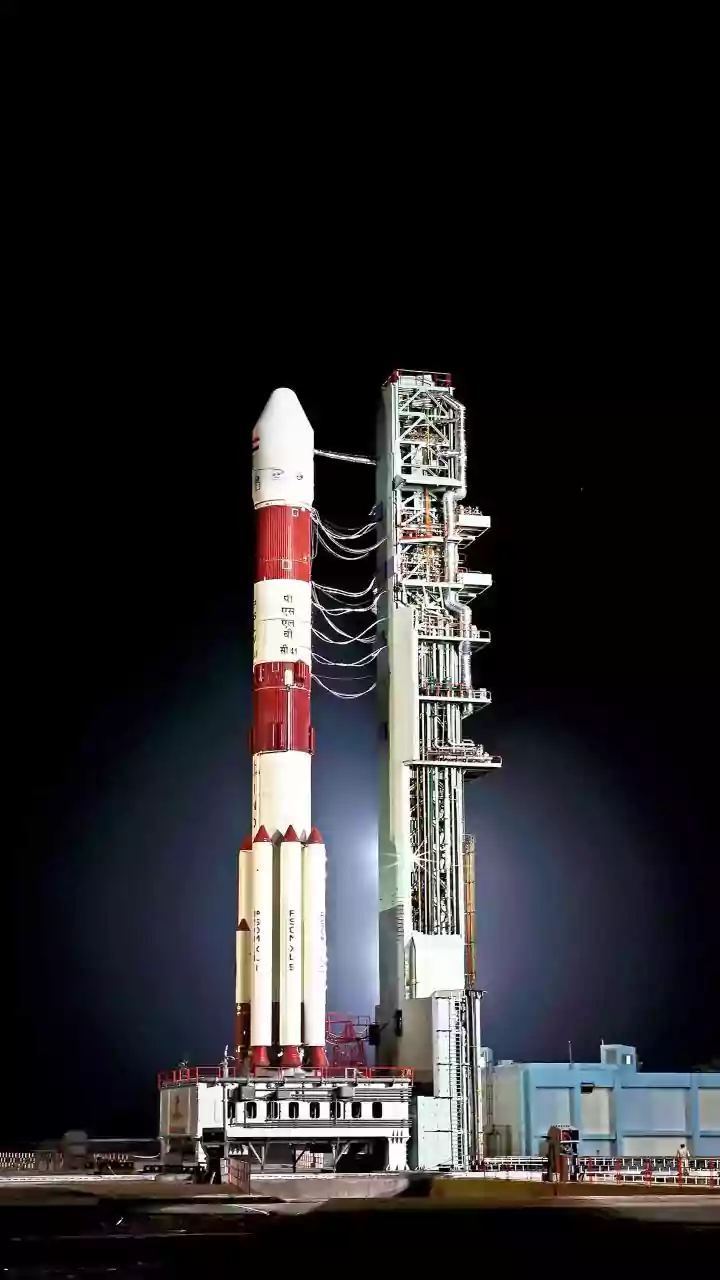
For decades, a career in India’s space sector meant one thing: joining the Indian Space Research Organisation (ISRO). But since the sector was opened to private investment in 2020, a dramatic transformation has occurred. The Indian space economy, currently
valued at around $8.4 billion, is projected to surge to $44 billion by 2033. This rapid expansion is being fueled by a vibrant startup ecosystem, with over 400 new space-tech companies emerging to build everything from launch vehicles to satellite constellations. This commercial boom has created a critical need for professionals who can navigate the business side of space, turning technological marvels into viable, profitable enterprises.
The New Frontier for Business Roles
As private companies like Skyroot Aerospace, Agnikul Cosmos, and Pixxel take on bigger roles, they require more than just technical expertise. They need skilled managers to guide their trajectory. The popular image of a space career no longer fits the reality; non-engineering roles in policy, communications, and business development are becoming increasingly vital. These new-age space companies are actively hiring for positions in project management to oversee complex missions, financial analysts to secure funding and manage budgets, and business development heads to forge partnerships and win contracts. The entire value chain, from manufacturing to data analytics, now requires sharp business acumen.
From B-School to Launchpad
The skills honed in a business school curriculum are directly transferable to the space industry. A business graduate's toolkit—strategic planning, financial modeling, supply chain management, and marketing—is precisely what these burgeoning companies need. Consider the challenges: a rocket company needs to manage a global supply chain for thousands of components. A satellite imaging firm needs to market its data analytics services to clients in agriculture and urban planning. A startup seeking venture capital needs a compelling business plan and a financial strategy that holds up under scrutiny. These are fundamentally business challenges that require business solutions, making graduates with MBAs and other business degrees valuable assets.
Navigating the New Regulatory Landscape
The government's establishment of the Indian National Space Promotion and Authorisation Centre (IN-SPACe) as a single-window agency is a game-changer. IN-SPACe is tasked with promoting and regulating the activities of private space companies, facilitating access to ISRO's facilities, and overseeing technology transfers. This has created a more structured, yet complex, environment. Companies need professionals who understand policy, can navigate regulatory frameworks, and ensure compliance. This opens up roles for specialists in regulatory affairs, legal frameworks, and corporate strategy—areas where business graduates with an eye for detail can excel.
Preparing for Liftoff
For business graduates aspiring to enter this exciting field, passion for the subject must be paired with preparation. Following industry news and understanding the key players is a start. Specializing in subjects like project management, technology management, or corporate finance can provide a distinct advantage. Networking at industry events and connecting with professionals at space-tech firms is crucial. Companies like Dhruva Space explicitly state they are looking for people passionate about the 'Business of Space,' not just engineers. As the industry matures, expect to see more specialised courses and even 'Space MBA' programs emerge to formally bridge the gap between business education and cosmic ambitions.